


Lake Mead plummets to historic low water level as Colorado River struggles
Summarized and contextualized by DistantNews.
At a glance
News
Sources not specified
Ongoing story
- Lake Mead, the U.S.'s largest reservoir, has reached its lowest level in nearly 90 years, signaling a severe water crisis in the American West.
- The reservoir, crucial for supplying water to 40 million people across seven states, tribal nations, and Mexico, is under immense pressure from overuse, drought, and heat.
- Federal officials are implementing a short-term plan for states to reduce water consumption as long-term agreements remain elusive.
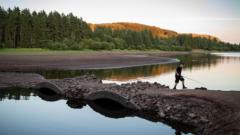
Lake Mead, the largest reservoir in the United States, has plunged to its lowest water level in approximately 90 years, underscoring a deepening water crisis across the American West. The reservoir, situated on the border of Arizona and Nevada, reached 1,040.4 feet (317.1 meters) above sea level on Friday, barely below the previous record set in July 2022, according to federal data.
This critical water storage system on the Colorado River provides water to roughly 40 million people in seven U.S. states, tribal nations, and Mexico, while also irrigating millions of acres of farmland. However, the Colorado River basin faces unprecedented strain due to a combination of factors: excessive water use, prolonged drought conditions, extreme heat, and insufficient snowmelt to replenish the river.
JB Hamby, chair of the Colorado River board of California, emphasized the severity of the situation, stating, "It’s extremely significant and extremely concerning. You have three-quarters of the population of the Colorado River basin, some 30 million people, who are directly impacted by risks to Lake Mead." He stressed the vital need for states reliant on the river's water to reduce their consumption.
The situation is exacerbated by record-low snowpack in the Rocky Mountains, which significantly impacts the water supply for the river. Years of overuse, coupled with drought and rising temperatures, have depleted both Lake Mead and Lake Powell, the nation's second-largest reservoir, leaving them at their lowest points in nearly seven decades.
In response, federal officials announced a short-term proposal to mitigate the crisis after states failed to reach a long-term agreement on managing the dwindling resource. The plan calls for Arizona, California, and Nevada in the Lower Basin to reduce their water intake, with flexibility for deeper cuts during drier periods.
It’s extremely significant and extremely concerning. You have three-quarters of the population of the Colorado River basin, some 30 million people, who are directly impacted by risks to Lake Mead.
DistantNews Editorial
Originally published by The Guardian. Summarized and contextualized by our editorial team with added local perspective. Read our editorial standards.
More Stories


From Our Blog

What Gets Lost (and Found) When News Is Translated

The Critical Role of Diaspora Media in Global News

What Travellers Should Know About Countries with Restricted Press

A Digital Nomad's Guide to Following Local News

How the Same Story Looks Different in Different Countries
