


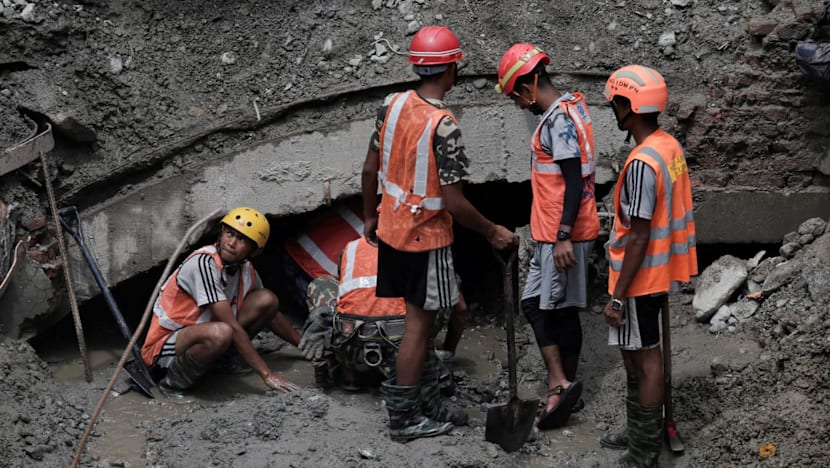

Landslides in China Leave Six Dead and Nine Missing
Translated from English and summarized by DistantNews. Read the original for the full story.
At a glance
Newswire
From a news agency
Ongoing story
- Landslides in Jiangxi province and nearby townships killed six people and left nine missing, Chinese state media reported.
- More than 170 rescuers searched for survivors after a mudslide damaged homes and destabilized roads in Mingkeng village.
- The disasters followed heavy rains from Typhoon Saudel, amid wider concerns about extreme weather and climate change.
Landslides in eastern China have killed six people and left nine missing after days of torrential rain brought by Typhoon Saudel, state media reported on Sept. 8.
A mudslide struck Mingkeng village in Jiangxi province on Sept. 5, killing five people and leaving seven missing, the Xinhua news agency said, citing local officials. Another person died and two others remained missing after landslides hit the nearby townships of Zuo’an and Tanghu.
The Mingkeng landslide damaged homes and destabilized roads. More than 170 rescuers were sent to the site to search for those still unaccounted for. Several cities suspended work, classes and transport services as heavy rain continued.
Saudel first made landfall on China’s eastern coast at the end of August. The landslides came after devastating glacial floods in the Himalayas the previous month, which state media said killed 43 people in Tibet and nearly 1,300 people across the border in Nepal. More than 5,000 people remained missing in Nepal, along with another 519 on the Tibetan side of the border.
Scientists say climate change is accelerating glacial melting worldwide and making extreme storms more frequent, increasing the risk of such disasters.
About this summary
Originally published by The Straits Times in English. Translated, summarized, and contextualized automatically by DistantNews, with a note on how the source frames the story. Not individually reviewed before publishing. How this works.
More Stories


From Our Blog

News in Translation: What Gets Lost, and How We Keep the Framing

Diaspora Media: How Communities Follow News From Home

Traveling Where the Press Is Not Free: How to Read the News There

The Digital Nomad's Guide to Local News

The Same Story, Different Countries: How Coverage Changes at the Border
