

Late Pregnancy: 'Why Are Only Older Mothers Criticized?'
Translated from German, summarized and contextualized by DistantNews.
At a glance
In-depth
Sources not specified
Context piece
- Nadine Bode desired a child and became pregnant at age 47 after 22 fertility clinic attempts and without a partner.
- The article questions why older mothers are disproportionately criticized for late pregnancies.
- It highlights Bode's personal journey and the societal double standards surrounding age and motherhood.
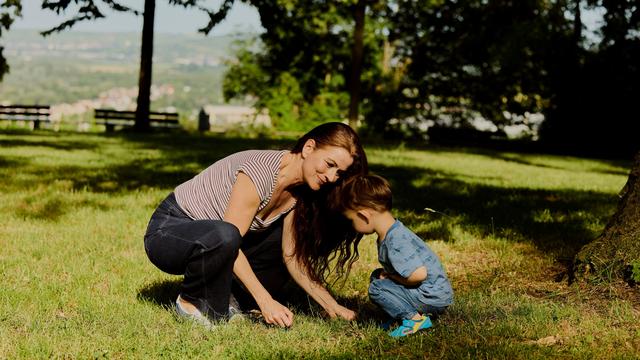
Nadine Bode yearned for a child, a dream she pursued relentlessly until she became pregnant at the age of 47. Her journey to motherhood was arduous, involving 22 attempts at a fertility clinic and undertaken without a partner. Bode's experience brings to the forefront the complex realities and personal sacrifices many face in their quest for parenthood later in life.
The narrative surrounding Bode's late pregnancy prompts a critical examination of societal perceptions and the often-unequal scrutiny directed at older mothers. The article questions the prevailing narrative, asking why women who choose or find themselves becoming mothers in their late 30s and 40s frequently face criticism and judgment.
Bode's story serves as a case study, challenging the notion that there is a single, acceptable timeline for starting a family. It implicitly advocates for a more nuanced understanding of individual circumstances, reproductive choices, and the diverse paths to motherhood, pushing back against a system that often unfairly targets and questions women's decisions about their bodies and their futures.
DistantNews Editorial
Originally published by Die Zeit in German. Translated, summarized, and contextualized by our editorial team with added local perspective. Read our editorial standards.
More Stories



From Our Blog

What Gets Lost (and Found) When News Is Translated

How the Same Story Looks Different in Different Countries

The Critical Role of Diaspora Media in Global News

What Travellers Should Know About Countries with Restricted Press

A Digital Nomad's Guide to Following Local News
