

Lavrov Accuses EU of Militarization, Cites Possible German Nuclear Program; 'Russia Is Ready'
Translated from Romanian, summarized and contextualized by DistantNews.
At a glance
News
Sources not specified
Context piece
- Russian Foreign Minister Sergey Lavrov warned of a potential conventional war with the EU and accused the bloc of militarization.
- Lavrov also cited concerns over reports suggesting Germany might be developing its own nuclear program.
- Russia is prepared for EU militarization but does not intend to attack, Lavrov stated, while also criticizing the UN's role in the Black Sea grain deal.
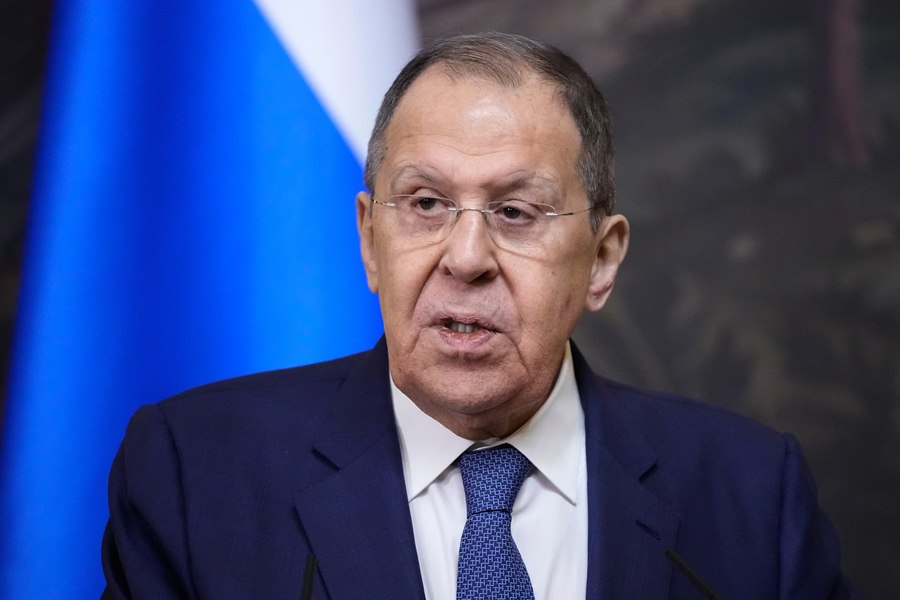
Russian Foreign Minister Sergey Lavrov issued stern warnings to the European Union, stating that any conflict with Russia would not be conventional. Speaking in Manila, Philippines, during ASEAN ministerial meetings, Lavrov accused the EU of militarization and expressed concern over reports that Germany might be developing its own nuclear weapons program.
Russia is prepared for any evolution in the context of the militarization of the European Union, but it does not intend to attack anyone. If Europe starts a conflict with Moscow, it will no longer be a conventional war.
Lavrov asserted that Russia is prepared for any developments stemming from the EU's militarization but has no intention of initiating an attack. He specifically mentioned concerns about intelligence suggesting Germany could develop a nuclear weapon within a year. According to Russia's Foreign Intelligence Service (SVR), Western allies are closely monitoring German activities in nuclear physics, shock wave physics, neutron physics, and materials science, with approximately 30 German universities and defense companies reportedly involved.
The SVR claims that NATO military experts believe Germany could produce the necessary material within one to three months and assemble a functional nuclear explosive device within a year. Lavrov also touched upon the war in Ukraine, noting that Moscow had received no proposals for the resumption of the Black Sea Grain Initiative. He criticized the United Nations' role in implementing the deal, describing it as one-sided and primarily benefiting Ukraine.
Russia is concerned about reports that Germany is developing its own nuclear program.
Additionally, Lavrov commented on potential nuclear proliferation, suggesting that attacks on Iran could fuel a desire for nuclear weapons in some states. He emphasized the necessity of maintaining dialogue between Moscow and Washington, highlighting their status as the world's largest nuclear powers.
The United States and Russia, as the largest nuclear powers...
DistantNews Editorial
Originally published by Adevărul in Romanian. Translated, summarized, and contextualized by our editorial team with added local perspective. Read our editorial standards.
More Stories
From Our Blog

What Gets Lost (and Found) When News Is Translated

The Critical Role of Diaspora Media in Global News

What Travellers Should Know About Countries with Restricted Press

A Digital Nomad's Guide to Following Local News

How the Same Story Looks Different in Different Countries
