

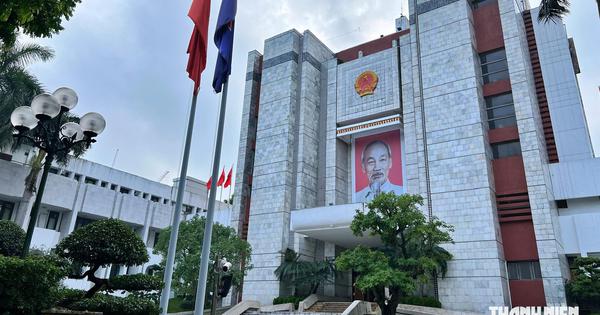

Lawmakers Question Exorbitant Fees for Vietnamese Overseas Workers
Translated from Vietnamese, summarized and contextualized by DistantNews.
At a glance
News
Named sources
New plan
- Vietnamese lawmakers are questioning where large sums of money, ranging from 300 million to 1 billion dong, go when workers are sent abroad for employment.
- A National Assembly delegate highlighted that while some labor markets have low or no fees, workers are burdened with exorbitant costs, leading to illegal work abroad.
- Proposals include creating a national database for overseas workers and imposing stricter penalties, such as travel bans, for labor law violations.
Vietnamese lawmakers are raising serious concerns about the exorbitant fees workers pay to secure overseas employment, with some delegates questioning the destination of funds that can range from 300 million to over 1 billion dong (approximately $12,000 to $40,000 USD).
During a discussion on a draft law amending regulations for Vietnamese citizens working abroad, National Assembly delegate Tran Dinh Gia from Ha Tinh province noted that while certain labor markets charge minimal fees, workers are often required to pay substantial amounts. This practice, he argued, contributes to a significant number of workers from provinces like Ha Tinh, which has a large overseas labor force, resorting to illegal work after arriving abroad. This situation negatively impacts legitimate workers and leads some labor markets to refuse workers from certain Vietnamese regions.
Where do these amounts of money go? When amending this law, we must do everything possible to minimize this situation.
"Where do these amounts of money go?" Gia questioned, urging that the revised law must effectively curb this practice. He proposed the establishment of a national database for Vietnamese workers abroad and enhanced data sharing among government agencies and localities. Gia also advocated for stricter regulations, including potential travel bans for individuals who violate labor laws abroad, to clean up the export labor environment.
Delegate Thach Phuoc Binh from Vinh Long province stressed that state management cannot afford to wait for violations to occur before intervening. He called for a risk-based approach to post-inspection, emphasizing the need to identify warning signs such as a history of violations, complaints, fee collection practices, and rates of illegal overstaying. Binh suggested that systems should automatically increase surveillance and alert authorities when businesses exhibit multiple unusual indicators, rather than intervening only after workers have paid fees or departed.
State management cannot wait for violations to occur before inspecting and managing. We need to establish clear principles for post-inspection based on risk levels.
DistantNews Editorial
Originally published by Thanh Niên in Vietnamese. Translated, summarized, and contextualized by our editorial team with added local perspective. Read our editorial standards.
More Stories

From Our Blog

What Gets Lost (and Found) When News Is Translated

The Critical Role of Diaspora Media in Global News

What Travellers Should Know About Countries with Restricted Press

A Digital Nomad's Guide to Following Local News

How the Same Story Looks Different in Different Countries
