

Lawyer apologizes to K-pop idol over language criticism
Translated from Korean, summarized and contextualized by DistantNews.
At a glance
News
Sources not specified
Outcome reported
- Lawyer Cho Su-jin, a director at the Roh Moo-hyun Foundation, publicly apologized to girl group KISS OF LIFE's leader Wonhee.
- Cho had previously stated that Wonhee's use of the word "museopno" was an "Ilbe-style" expression.
- Cho explained that their understanding of young people's language, which often omits parts of words, was insufficient.
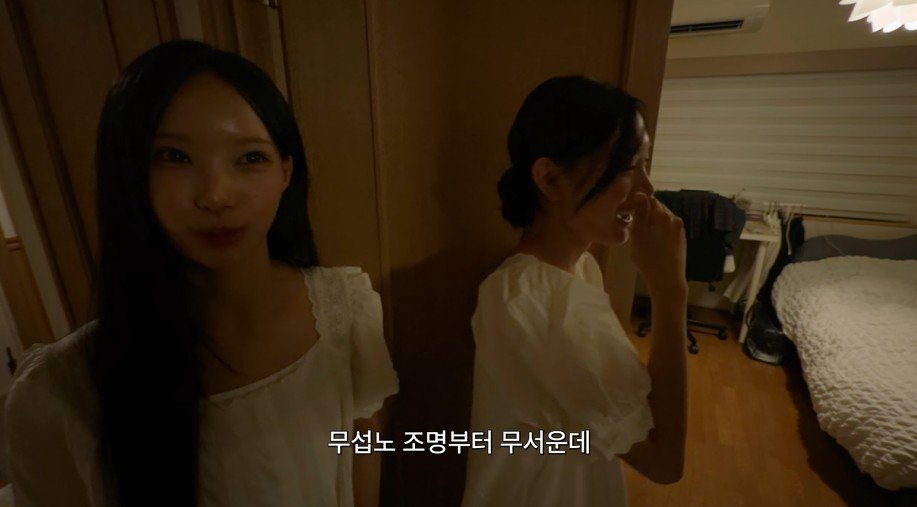
A lawyer and director at the Roh Moo-hyun Foundation, Cho Su-jin, has issued a public apology to Wonhee, the leader of the girl group KISS OF LIFE. The apology stems from Cho's earlier assertion that Wonhee's use of the phrase "museopno" was indicative of "Ilbe-style" language.
I believe my understanding of the language of the younger generation, which often omits parts of words in online conversations, was insufficient.
Cho Su-jin expressed regret on Instagram, stating, "I believe my understanding of the language of the younger generation, which often omits parts of words in online conversations, was insufficient." The lawyer added, "I am concerned that my remarks may have hurt artist Wonhee of the group KISS OF LIFE, and I wish to offer my apologies."
I am also from the Gyeongsang Province, so I thought it was an Ilbe-style expression.
Previously, on the YouTube channel "Jang Yoon-seon's Convenience Store," Cho had commented on Wonhee's "museopno" remark. "I am also from the Gyeongsang Province, so I thought it was an Ilbe-style expression," Cho had said. The lawyer clarified that their intention was not to single out individuals but to address the structural issue of young people using "~no" endings in a manner associated with Ilbe, a controversial online community. Cho emphasized that such usage should not be attributed to personal responsibility and should not be politically exploited.
My intention was not to assign personal responsibility but to address the structural issue of young people using the '~no' ending in a manner associated with Ilbe, and to prevent its political exploitation.
Cho further explained that the "~no" ending has been used for over a decade to insult and mock the late President Roh Moo-hyun, not just on Ilbe but across various online communities. This usage has become absorbed into youth slang, making it difficult to distinguish from genuine dialect. Cho stated that after reviewing the original short-form video of the remark and initially judging it as an Ilbe expression, they realized their error after hearing an explanation from Professor Kim Deok-ho of Kyungpook National University's Korean Language and Literature department. Professor Kim explained that while omitting "wairi" (meaning "why" or "how") from "Wairi museopno" (meaning "How scary") is not grammatically natural, younger generations use it this way. Cho acknowledged this as a misunderstanding due to generational differences in dialect usage.
While omitting 'wairi' is not grammatically natural, younger generations use it this way. It was a misunderstanding due to generational differences in dialect usage.
DistantNews Editorial
Originally published by Dong-A Ilbo in Korean. Translated, summarized, and contextualized by our editorial team with added local perspective. Read our editorial standards.
More Stories


From Our Blog

What Gets Lost (and Found) When News Is Translated

The Critical Role of Diaspora Media in Global News

What Travellers Should Know About Countries with Restricted Press

A Digital Nomad's Guide to Following Local News

How the Same Story Looks Different in Different Countries
