

Lawyers for man accused of killing Charlie Kirk try to block prosecutors from seeking death penalty
Summarized and contextualized by DistantNews.
At a glance
News
Named sources
In the courts
- Attorneys for Tyler Robinson, accused of killing Charlie Kirk, are asking a judge to prevent prosecutors from seeking the death penalty.
- The defense argues that prosecutors violated court restrictions by discussing a bullet fragment recovered from Kirk's body in media comments.
- Prosecutors contend they had a right to correct misinformation about preliminary ballistics findings, which defense attorneys had publicly disclosed as potentially exculpatory evidence.
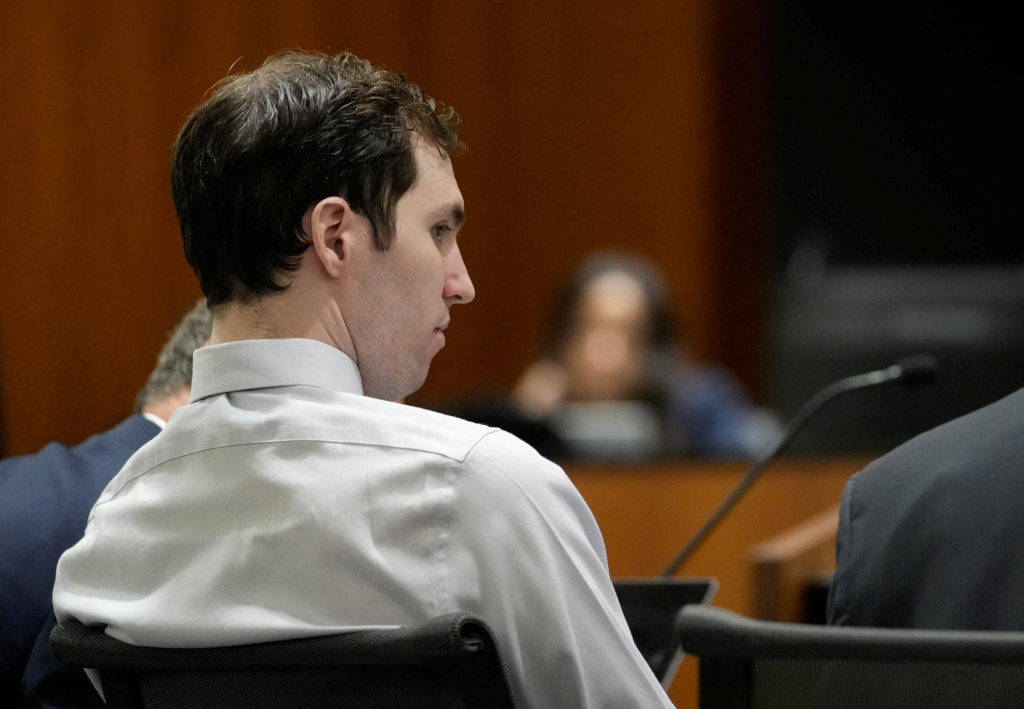
Attorneys for Tyler Robinson, the man accused of killing conservative activist Charlie Kirk, are urging a judge to block prosecutors from pursuing the death penalty. The defense team argues that prosecutors engaged in media outreach about a bullet fragment found in Kirk's body, thereby violating judicial orders that prohibit discussing the case outside of court.
The controversy stems from comments made in response to speculation that the bullet fragment could exonerate Robinson. Defense attorneys publicly released information about a federal agency's inability to conclusively link the fragment to the rifle investigators believe was used in the Sept. 10 killing. They characterized this finding as potentially "exculpatory evidence."
The rules expressly allow lawyers to set the record straight.
Prosecutors, however, maintain they were within their rights to address the media to counter what they describe as misinformation. Deputy Utah County Attorney Christopher Ballard stated in court filings that his goal was to "respond to the substantial undue prejudicial effect of the media stories" and that he spoke generally about the nature of ballistics testing, not specific case details.
Robinson, 23, is charged with aggravated murder in Kirk's death. Kirk was shot while addressing a crowd at Utah Valley University. The defense claims prosecutors attempted to "influence public perception" and the jury pool by speaking to the media, while prosecutors argue they were merely correcting the record regarding preliminary findings and the inconclusive nature of initial ballistics tests.
What was going on here was an attempt to influence the jury pool.
DistantNews Editorial
Originally published by PBS NewsHour. Summarized and contextualized by our editorial team with added local perspective. Read our editorial standards.
More Stories


From Our Blog

How the Same Story Looks Different in Different Countries

What Gets Lost (and Found) When News Is Translated

The Critical Role of Diaspora Media in Global News

What Travellers Should Know About Countries with Restricted Press

A Digital Nomad's Guide to Following Local News
