

Le Van Viet Hospital partners with local health stations to boost primary care in Ho Chi Minh City
Translated from Vietnamese, summarized and contextualized by DistantNews.
At a glance
News
Named sources
New plan
- Le Van Viet Hospital in Ho Chi Minh City has signed cooperation agreements with four local health stations to improve primary healthcare services.
- The initiative aims to reduce the burden on higher-level hospitals and allow residents to receive medical care closer to home.
- The collaboration includes professional support, training, and resource sharing to enhance the capabilities of the grassroots health network.
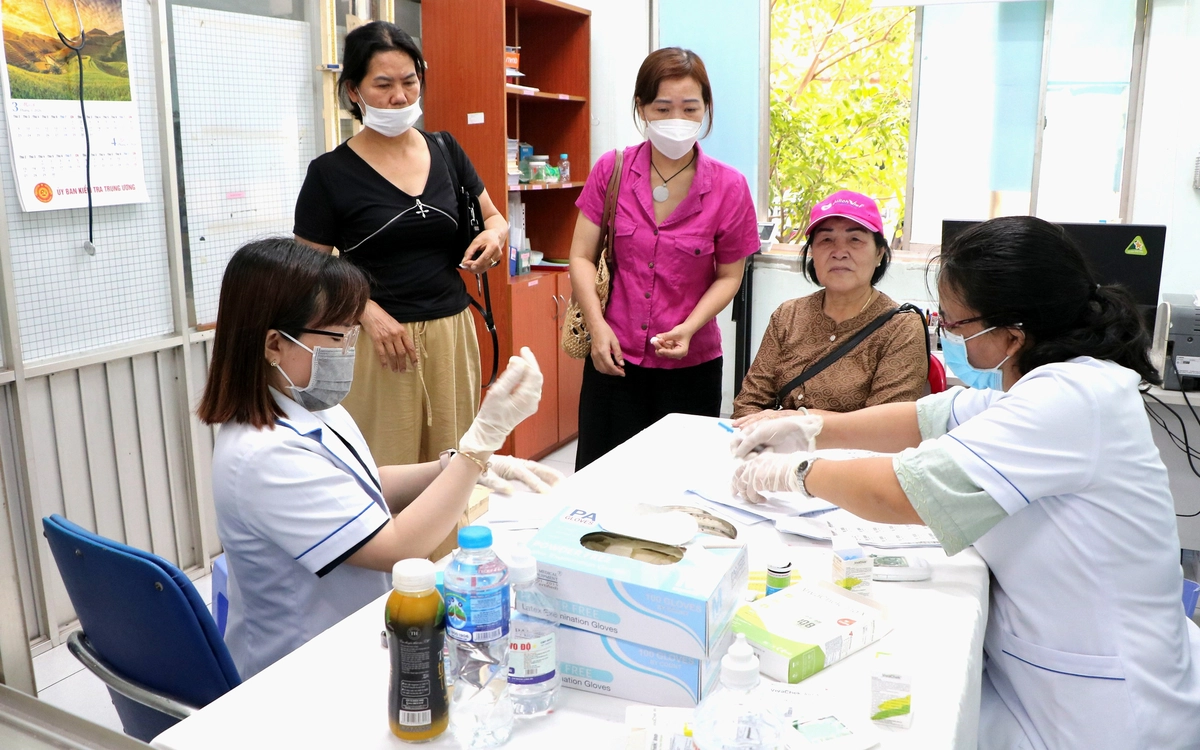
Le Van Viet Hospital in Ho Chi Minh City has initiated a significant collaboration with four local health stations, aiming to bolster primary healthcare services and bring medical attention closer to residents. The hospital signed professional support agreements with health stations in the Long Binh, Long Phuoc, Long Truong, and Phuoc Long wards.
We believe that with a spirit of responsible cooperation, companionship, and sharing between the units, today's signing ceremony will be implemented effectively and practically, contributing step by step to improving the capacity of grassroots healthcare, reducing the burden on higher-level facilities, and improving the quality of healthcare for the people right in their local areas.
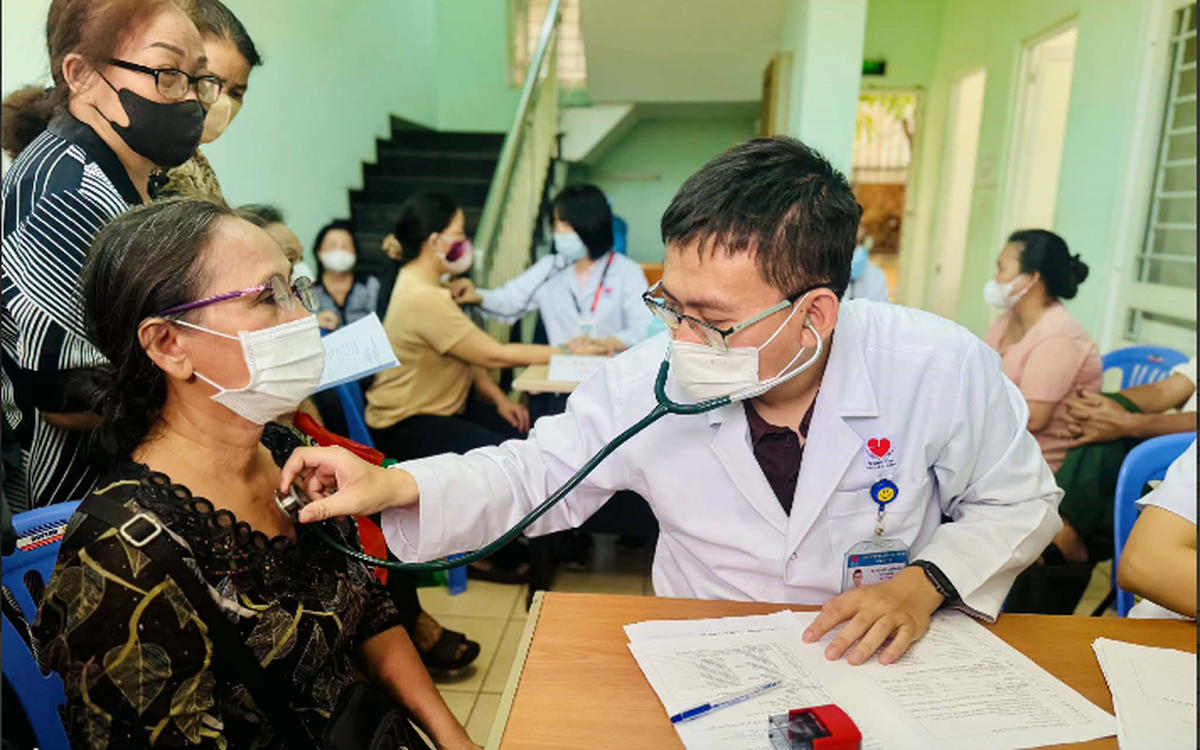
Dr. CKII Nguyen Khoa Ly, Director of Le Van Viet Hospital, stated that this partnership extends beyond mere professional assistance. It is a concrete step in implementing Resolution 72 of the Politburo, which focuses on innovative solutions to strengthen public health protection, care, and enhancement. Under this agreement, Le Van Viet Hospital will provide support for health insurance examinations and treatments, enhance training programs, and offer continuous professional development for healthcare workers at the local stations.
The collaboration also involves rotating doctors, nurses, and technicians to provide hands-on professional support at the grassroots level. This initiative aims to create opportunities for the staff at the health stations to refine their skills and gain practical experience at the hospital. Additionally, the hospital will assist with pharmaceutical services, developing appropriate drug lists for local health needs, and coordinating drug supplies for health insurance services, while also training staff on safe and effective medication use.
Currently, the demands for examination and treatment from the people are increasing, but the health station still faces many difficulties in terms of resources, technical expertise, and conditions to implement specialized activities.
For traditional medicine and rehabilitation, the hospital will collaborate on developing suitable treatment models at the health stations and transferring specialized techniques. Remote consultations and professional advice will be maintained regularly, or as needed, to help manage complex or chronic cases, thereby minimizing unnecessary referrals to higher-level facilities. Dr. Ly expressed confidence that this cooperative spirit will effectively enhance the capacity of local healthcare, reduce the strain on upper-level hospitals, and improve the quality of healthcare for residents directly in their communities.
Support from higher-level hospitals is extremely important, contributing to improving the operational capacity of grassroots healthcare, helping people access high-quality medical services right in their locality.
DistantNews Editorial
Originally published by Tuổi Trẻ in Vietnamese. Translated, summarized, and contextualized by our editorial team with added local perspective. Read our editorial standards.
More Stories


From Our Blog

What Gets Lost (and Found) When News Is Translated

The Critical Role of Diaspora Media in Global News

What Travellers Should Know About Countries with Restricted Press

A Digital Nomad's Guide to Following Local News

How the Same Story Looks Different in Different Countries
