


Lebanese TV airs first interview with Israeli journalist
Translated from German, summarized and contextualized by DistantNews.
At a glance
News
Named sources
Ongoing story
- An Israeli journalist gave an interview on Lebanese television for the first time, an act considered collaboration with an enemy state under Lebanese law.
- Barak Ravid discussed ongoing Israel-Hezbollah fighting and ceasefire efforts with LBCI moderator Toni Mrad.
- Ravid suggested Hezbollah's rejection of a recent ceasefire proposal was a tactical move to strengthen its negotiating position.
In a move that challenges long-standing legal and political divides, Israeli journalist Barak Ravid appeared on Lebanese television for an interview, marking the first such instance. Under Lebanese law, any interaction with an Israeli entity is considered collaboration with an enemy state, as the two nations remain in a legal state of war.
Ravid, an expert on the Middle East, spoke with LBCI moderator Toni Mrad about the ongoing conflict between Israel and Hezbollah, as well as diplomatic efforts aimed at securing a lasting ceasefire. The interview touched upon the current state of negotiations, with Ravid interpreting Hezbollah's recent rejection of a ceasefire proposal as a strategic maneuver to enhance its bargaining power in U.S.-mediated talks.
The Lebanese boycott law of June 23, 1955, strictly prohibits any direct or indirect engagement by Lebanese citizens or companies with Israeli individuals, entities, or those acting in Israel's interest. Ravid noted on the online platform X that the interview signaled changes within Lebanon, potentially linked to a "weakened Iranian axis."
the talks are still ongoing.
Ravid, 46, is known for his extensive network and focus on U.S.-Israeli relations and Middle East diplomacy. He contributes as a correspondent for Axios, a political commentator for CNN, and works with Israeli news outlets Walla and Channel 12 News.
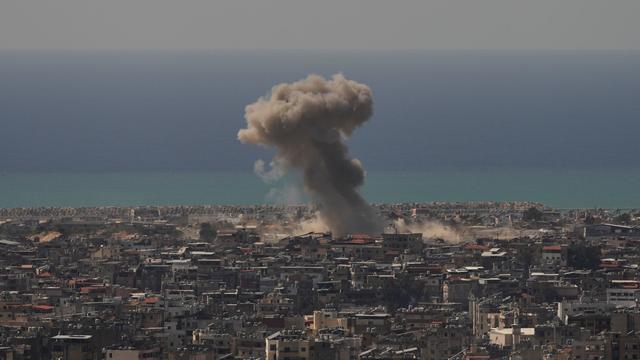
Despite an official ceasefire between Israel and Lebanon since mid-April, Israeli military actions have continued. Over the weekend, the Israeli military targeted areas near Beirut, which Prime Minister Benjamin Netanyahu and Defense Minister Israel Katz described as responses to Hezbollah's shelling of Israel. Hezbollah has claimed responsibility for several attacks on Israeli troops. The Lebanese army reported that two officers and a soldier were killed in an Israeli strike on a military vehicle in southern Lebanon, accusing Israel of persistently attacking Lebanon and its population to thwart stabilization efforts.
the interview shows changes in the country due to a 'weakened Iranian axis.'
DistantNews Editorial
Originally published by Der Spiegel in German. Translated, summarized, and contextualized by our editorial team with added local perspective. Read our editorial standards.
More Stories


From Our Blog

What Gets Lost (and Found) When News Is Translated

How the Same Story Looks Different in Different Countries

The Critical Role of Diaspora Media in Global News

What Travellers Should Know About Countries with Restricted Press

A Digital Nomad's Guide to Following Local News
