


Lee Proposes Differentiated Property Taxes, Cites Need for Owner 'Exit Route'
Translated from Korean, summarized and contextualized by DistantNews.
At a glance
News
Named sources
New plan
- South Korean President Lee Jae-myung proposed differential taxation for homeowners, distinguishing between those who live in their properties and those who own multiple for investment.
- He expressed general agreement with strengthening property holding taxes but emphasized the need to balance this with measures allowing multi-homeowners a way to divest.
- Lee also highlighted the complexity of setting tax levels, considering regional price differences and potential public resistance, and mentioned exploring options for increasing housing supply.
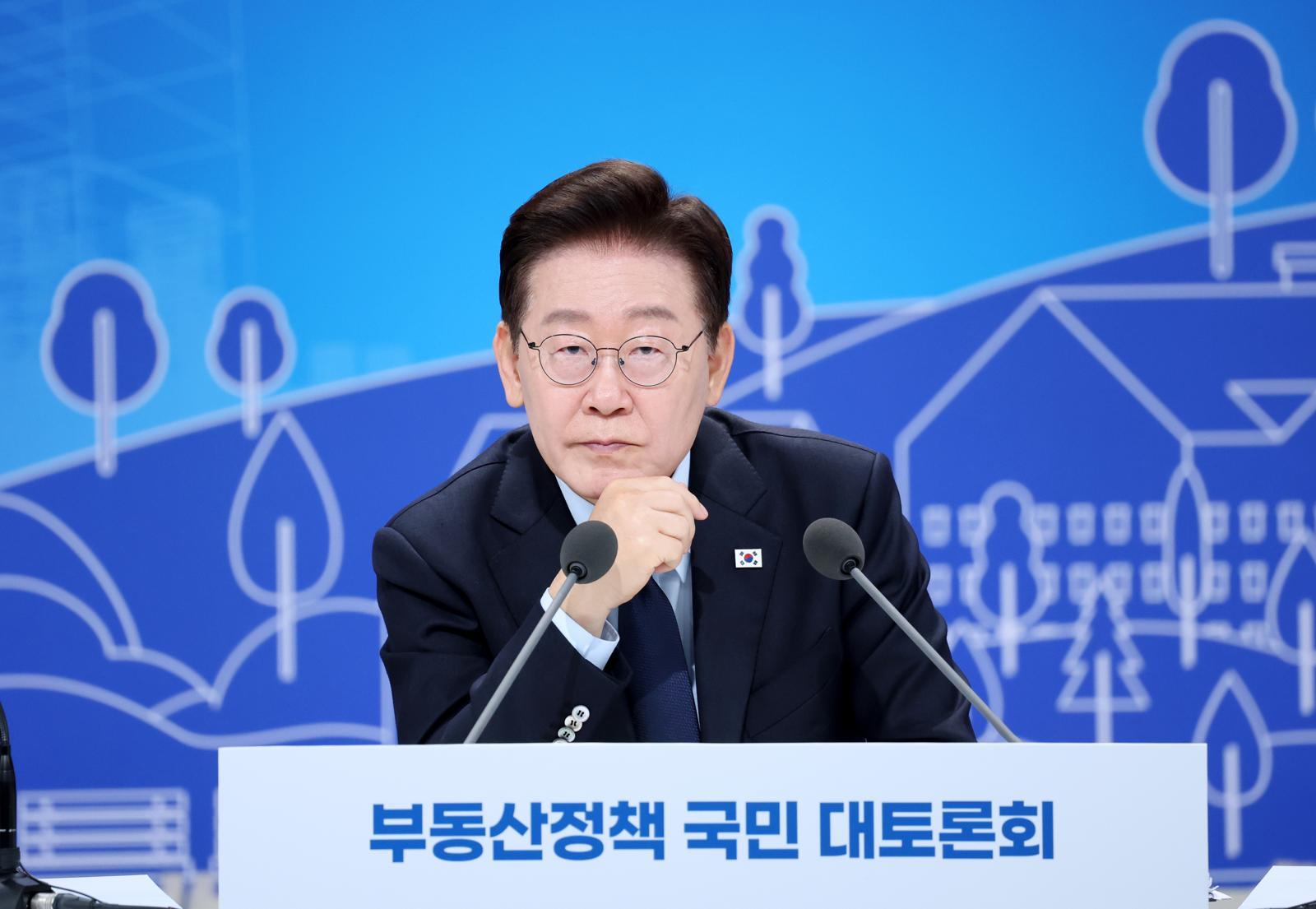
South Korean President Lee Jae-myung has called for a differentiated approach to property taxation, advocating for distinct tax rates for primary residences versus investment properties. Speaking at a national forum on real estate policy, Lee stated that owners using properties for their own living should be taxed differently from those holding multiple homes for profit.
Lee indicated general support for increasing property holding taxes, a move he believes is necessary to stabilize the market. However, he stressed the importance of providing an "exit route" for multi-homeowners, suggesting that tax hikes alone are insufficient. The president acknowledged the difficulty in determining appropriate tax levels and the potential for significant public backlash, particularly in the Seoul metropolitan area where property values are high.
We must provide an exit route.
"We must provide an exit route," Lee stated, emphasizing the need for careful consideration regarding the timeframe and methods for such divestment. He also touched upon the issue of housing supply, mentioning plans to scout potential development sites in the capital region. Lee suggested that immediate measures should focus on the tax system, urging for decisive action rather than incremental changes to address the escalating real estate challenges.
We must provide an exit route. We need to consider for what period and in what way (to do it).
DistantNews Editorial
Originally published by Hankyoreh in Korean. Translated, summarized, and contextualized by our editorial team with added local perspective. Read our editorial standards.
More Stories


From Our Blog

What Gets Lost (and Found) When News Is Translated

The Critical Role of Diaspora Media in Global News

What Travellers Should Know About Countries with Restricted Press

A Digital Nomad's Guide to Following Local News

How the Same Story Looks Different in Different Countries
