

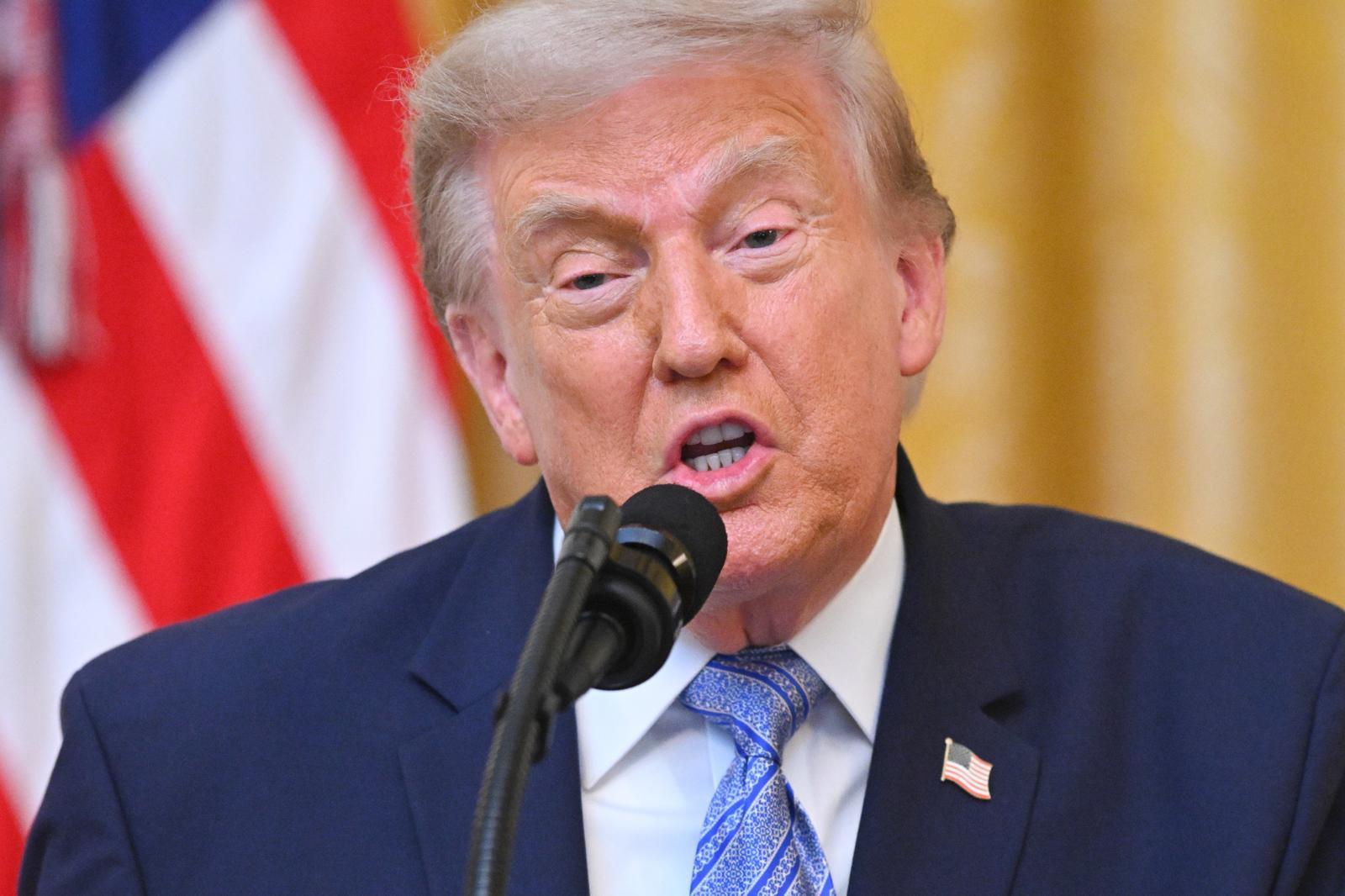

Lee's NATO Partnership: A New Diplomatic Path for South Korea?
Translated from Korean, summarized and contextualized by DistantNews.
At a glance
Analysis
Named sources
Context piece
- President Lee Jae Myung proposed strengthening defense cooperation with NATO, focusing on joint operation of defense systems rather than weapon sales.
- NATO Secretary General Mark Rutte indicated the alliance's growing interest in the Indo-Pacific region, linking it with the Euro-Atlantic.
- This contrasts with former President Yoon Suk-yeol's approach, which led to Russia deploying North Korean soldiers to Ukraine and heightened regional security concerns.
South Korean President Lee Jae Myung has proposed elevating defense cooperation with NATO, shifting the focus from weapon transactions to the joint operation of defense systems. Speaking at the 2026 NATO summit in Ankara, Lee's initiative aims to deepen ties between Seoul and the alliance, emphasizing strategic collaboration.
NATO Secretary General Mark Rutte responded positively, noting the increasing interconnectedness of the Indo-Pacific and Euro-Atlantic theaters. This suggests NATO is actively seeking a more significant presence in the Indo-Pacific, a region where it has historically been cautious.
the two theatres, the Indo-Pacific and the Euro-Atlantic, are more and more interconnected.
This diplomatic move by the Lee administration stands in contrast to the policies of former President Yoon Suk-yeol. Yoon had actively supported Ukraine, leading to indirect weapon support and prompting Russia to retaliate by deploying North Korean soldiers to Ukraine. This escalation has significantly impacted the security order not only in East Asia but across the entire Indo-Pacific.
European allies and Canada are assuming greater responsibility for our shared security.
Russia has already warned against South Korea's closer alignment with NATO, deeming it unacceptable for Seoul to become a de facto participant in the alliance's rearmament efforts, especially given NATO's declared preparations for potential conflict with Russia. The article questions whether President Lee's approach to NATO cooperation will yield different outcomes than President Yoon's support for Ukraine, highlighting the complex geopolitical balancing act South Korea faces.
The 2026 summit is framed as a potential turning point for NATO, marking a transition into what some analysts call NATO 3.0. This phase is characterized by European allies assuming greater responsibility for shared security, as evidenced by their commitment to increased defense spending. Rutte acknowledged this shift, stating, "European allies and Canada are assuming greater responsibility for our shared security."
it was “unacceptable for the Republic of Korea to become a de facto participant in NATO’s qualitative and quantitative rearmament process, as the alliance has openly declared its preparations for war with Russia.”
DistantNews Editorial
Originally published by Hankyoreh in Korean. Translated, summarized, and contextualized by our editorial team with added local perspective. Read our editorial standards.
More Stories

From Our Blog

What Gets Lost (and Found) When News Is Translated

The Critical Role of Diaspora Media in Global News

What Travellers Should Know About Countries with Restricted Press

A Digital Nomad's Guide to Following Local News

How the Same Story Looks Different in Different Countries
