

Left Party and AfD see strong membership growth in Lower Saxony
Translated from German, summarized and contextualized by DistantNews.
At a glance
News
From a news agency
Context piece
- Both the Left Party (Die Linke) and the AfD have seen significant membership growth in Lower Saxony, Germany, in the first half of 2026.
- The Left Party nearly tripled its membership since 2024, reaching nearly 10,400 members, though it faced internal controversy over a resolution on Zionism.
- The AfD also grew, adding over 400 members, with a surge in applications following the disqualification of some candidates from local elections.
The political landscape in Lower Saxony, Germany, is shifting as the Left Party (Die Linke) and the Alternative for Germany (AfD) experience strong membership growth, while traditional parties like the CDU and SPD continue to lose members.
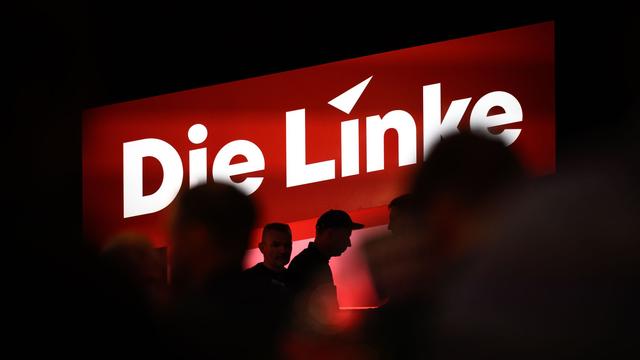
The Left Party has seen a dramatic increase in its ranks. After nearly tripling its membership from around 3,300 to 9,400 in 2025, the state chapter now boasts nearly 10,400 members. Over 1,500 new members joined in the first half of 2026 alone. However, this growth has been accompanied by internal dissent, including resignations related to a controversial party congress resolution on Zionism, which drew accusations of antisemitism.
The AfD has also continued its upward trend, increasing its membership from approximately 7,900 at the end of last year to over 8,300. The party reports an additional 400 members pending the expiration of objection periods and about 500 applications still under review. The AfD claims that the disqualification of four candidates from local elections, based on a "constitutional loyalty check", which prevented AfD state vice-chairman Stephan Bothe from running for district administrator in Lüneburg, led to more than 100 additional membership applications.
Even the Green Party saw slight growth, increasing from about 17,850 members in winter to around 18,000. In contrast, the Social Democratic Party (SPD), which has held the state premiership since 2013, lost members, dropping from over 45,900 at the start of the year to around 45,200 by the end of June. This decline widens the membership gap between the SPD and the CDU, which remains the largest party despite also experiencing a slight decrease in members, from about 49,150 to 48,950.
The Free Democratic Party (FDP) has also seen declining membership numbers since 2022.
DistantNews Editorial
Originally published by Die Zeit in German. Translated, summarized, and contextualized by our editorial team with added local perspective. Read our editorial standards.
More Stories



From Our Blog

What Gets Lost (and Found) When News Is Translated

How the Same Story Looks Different in Different Countries

The Critical Role of Diaspora Media in Global News

What Travellers Should Know About Countries with Restricted Press

A Digital Nomad's Guide to Following Local News
