


Legionnaires' Disease Cases Surge 43.4% in South Korea, Reaching Record Highs
Translated from Korean, summarized and contextualized by DistantNews.
At a glance
News
Sources not specified
Context piece
- Legionnaires' disease cases have surged 43.4% this year compared to last year, reaching a record high.
- The increase is linked to the proliferation of the bacteria in cooling towers and water systems of buildings, especially during summer.
- Health authorities emphasize the need for regular cleaning and disinfection of water facilities to prevent the spread of the disease.
South Korea is experiencing a significant surge in Legionnaires' disease cases, with a 43.4% increase reported by the end of May compared to the same period last year. This rise has brought the total number of reported cases to approximately 314, marking the highest incidence since the disease was designated a legally infectious disease in 2000. Last year, the country recorded a record 640 cases.
Legionnaires' disease, an acute respiratory illness caused by Legionella bacteria, thrives in artificial water systems. These include cooling towers in large buildings like department stores and hospitals, as well as water systems in showerheads, faucets, bathhouses, and home plumbing. Contaminated water aerosols can become airborne and be inhaled, leading to infection. While person-to-person transmission is not known to occur, the symptoms, fever and cough, can easily be mistaken for summer colds or "air conditioning sickness."
High-risk individuals, including those over 50, smokers, people with chronic lung disease, weakened immune systems, cancer, or diabetes, are particularly vulnerable to developing severe Legionnaires' pneumonia. The Korea Disease Control and Prevention Agency (KDCA) advises that patients with severe pneumonia of unknown origin, immunocompromised individuals, or those with potential exposure to contaminated water systems should be tested and treated for Legionnaires' disease.
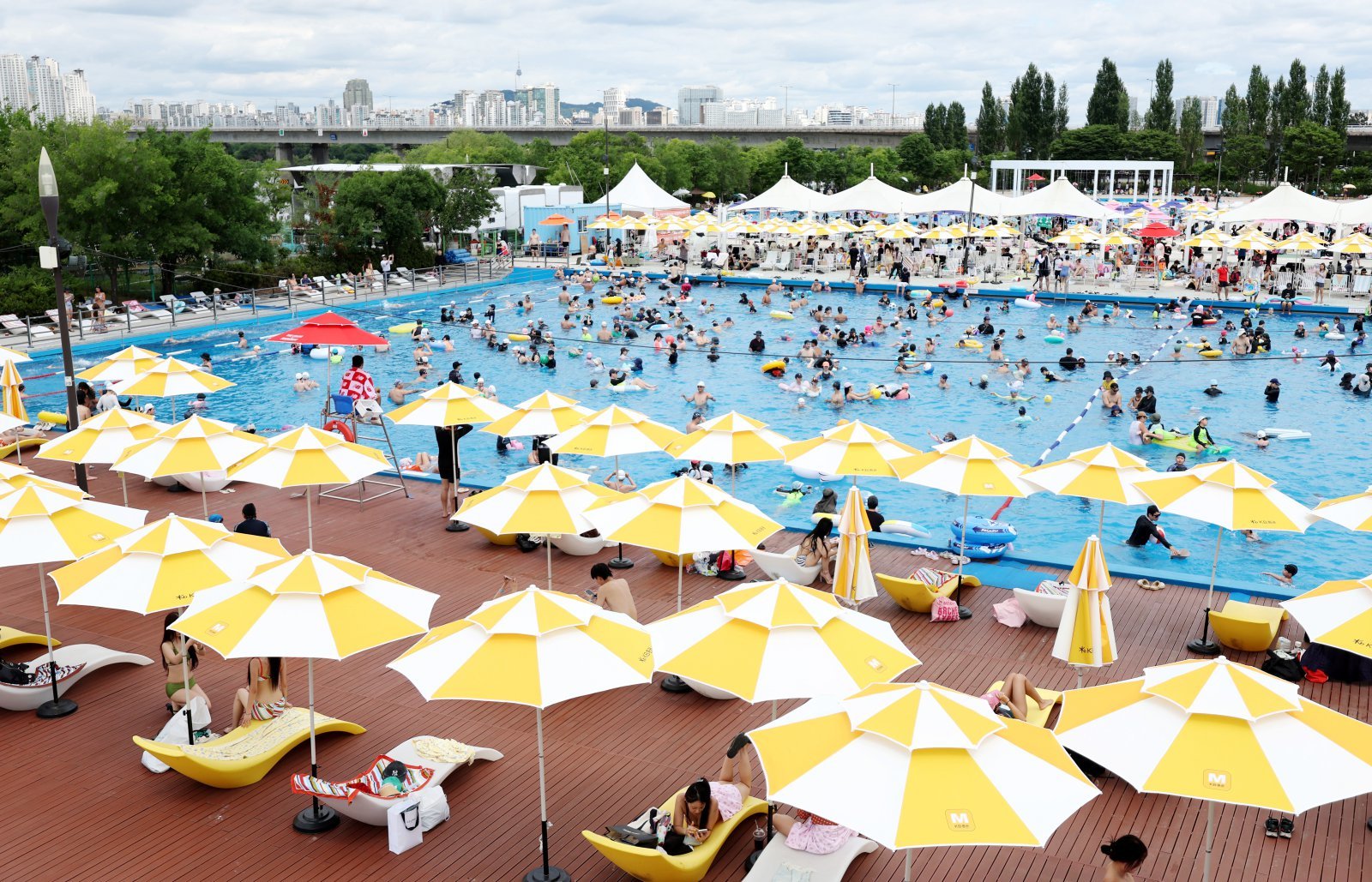
With increased air conditioner usage and more people visiting swimming pools during the hot summer months, the incidence of Legionnaires' disease typically rises, with outbreaks often occurring from summer to early autumn. To combat this, public facilities and large buildings must regularly disinfect their water supply and cooling towers. Bathhouses, residential hot water systems, and healthcare facility water supplies require consistent cleaning, water quality testing, and temperature management. Swimming pools, hot springs, and spas need periodic draining, cleaning, disinfection, and maintenance of proper disinfectant levels. Maintaining water temperatures between 20°C (68°F) for cold water and above 50°C (122°F) for hot water is crucial, as Legionella bacteria thrive in temperatures between 20-50°C.
The possibility of Legionnaires' pneumonia should be considered for patients with severe pneumonia of unknown cause, immunocompromised individuals, and those with epidemiological links to exposure to water systems suspected of Legionella contamination or pneumonia occurring within medical institutions.
DistantNews Editorial
Originally published by Dong-A Ilbo in Korean. Translated, summarized, and contextualized by our editorial team with added local perspective. Read our editorial standards.
More Stories


From Our Blog

What Gets Lost (and Found) When News Is Translated

The Critical Role of Diaspora Media in Global News

What Travellers Should Know About Countries with Restricted Press

A Digital Nomad's Guide to Following Local News

How the Same Story Looks Different in Different Countries
