


Letters to Quito: When the job cannot teach you what to do, bring in someone who knows
Translated from Spanish and summarized by DistantNews. Read the original for the full story.
At a glance
Opinion
Sources not specified
Ongoing story
- The article warns that Ecuador’s inadequate drainage, flood-control infrastructure and emergency planning could endanger more than five million rural residents during heavy rains and the El Niño threat.
- It criticizes the neglect of rivers, wetlands and other natural flood defenses, describing the failure as an ethical and civil responsibility.
- The article also condemns the disappearance of the Ministry of Agriculture and calls on the government’s expanded ministry to explain how it will protect farmers and prepare for expected damage.
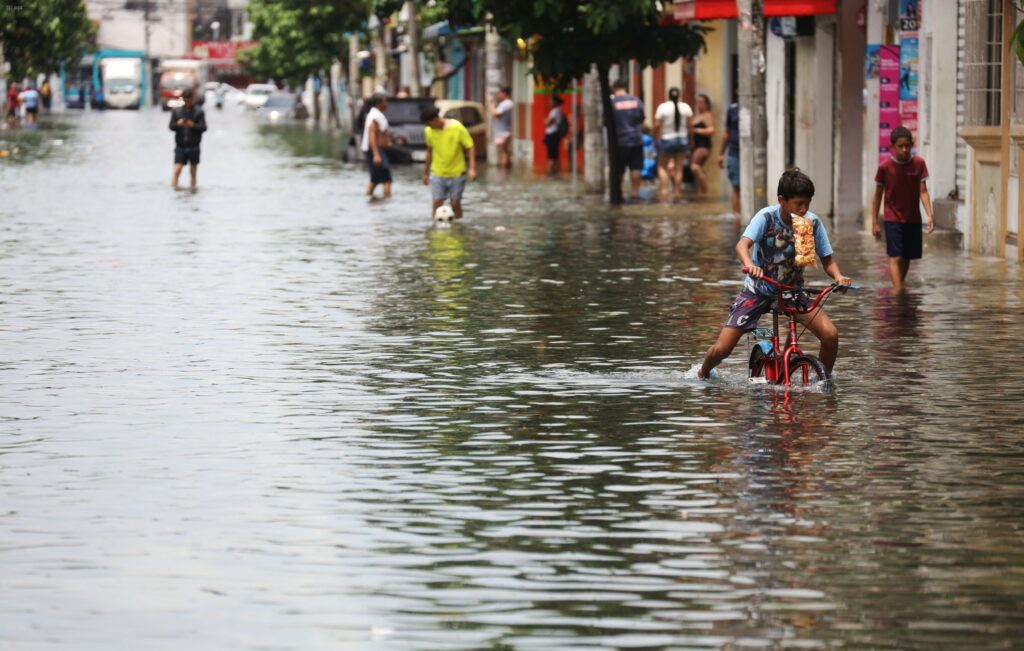
For Ecuador, drainage and stormwater management are not technical details. They are a matter of survival, the article argues, in a country hit by intense rains every year and facing the threat of El Niño.
More than five million Ecuadorians live in rural areas without many basic services, even in the 21st century. Yet the country is still trying to confront storms and runoff without adequate infrastructure, planning or preparation. The article calls the gap between the danger and the response unacceptable.
It warns that years of neglect in hydraulic works could cost lives, destroy crops and damage local economies. The remedy, it says, is overdue but unavoidable: Ecuador must design, build and maintain drainage systems, flood controls and water-regulation infrastructure to protect both communities and productive sectors.
The criticism extends to the abandonment of streams and flood-prone rivers, which the article describes as natural systems as essential as engineered defenses. Their neglect, it argues, is not merely a technical oversight but an ethical and civil failure that history should judge.
The article says the Water Secretariat lost sight of its mission, becoming an office focused on procedures and reports while concentrating on water-quality monitoring in mining areas. Meanwhile, rivers, streams and vulnerable watersheds elsewhere in the country were left to chance. It also condemns the decision to eliminate the Ministry of Agriculture and Livestock, leaving producers without a technical voice or lead institution. The head of the “super-ministry” that absorbed those responsibilities must now explain what has been done, what has not been done and how the country intends to limit the damage already approaching.
About this summary
Originally published by El Comercio in Spanish. Translated, summarized, and contextualized automatically by DistantNews, with a note on how the source frames the story. Not individually reviewed before publishing. How this works.
More Stories


From Our Blog

News in Translation: What Gets Lost, and How We Keep the Framing

Diaspora Media: How Communities Follow News From Home

Traveling Where the Press Is Not Free: How to Read the News There

The Digital Nomad's Guide to Local News

The Same Story, Different Countries: How Coverage Changes at the Border
