


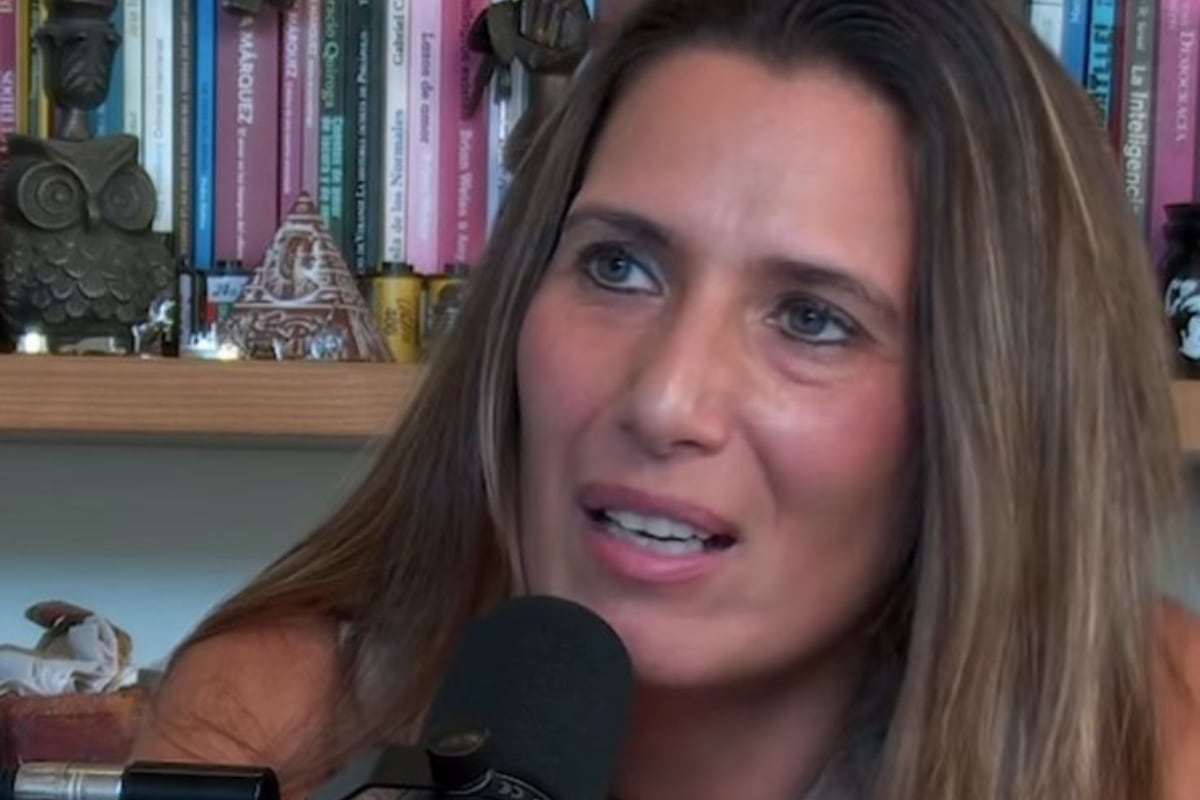
Life Coach Gisela Gilges on Resilience: 'It's Not About Not Feeling Pain, But Not Living Where Life Hit You'
Translated from Spanish, summarized and contextualized by DistantNews.
At a glance
In-depth
Sources not specified
Context piece
- Life coach Gisela Gilges defines resilience not as the absence of pain, but as possessing the internal and external resources to overcome crises.
- She uses the analogy of skiing down a snowy mountain: one person is equipped with gear and a guide, while the other is unprepared.
- Gilges outlines five key resources for resilience: social, emotional, intellectual, economic, and future-oriented resources.
Resilience, according to life coach Gisela Gilges, is not about avoiding pain or hardship, but about having the capacity to recover from adversity. She explains that it involves utilizing internal and external resources to navigate crises and avoid remaining stuck in the place where the hardship occurred.
Gilges illustrated this concept by comparing life's challenges to descending a snowy mountain. She contrasted someone equipped with skis, poles, proper clothing, and an instructor with someone attempting the same descent in swimwear, with basic boards, and simply hoping not to fall. The mountain and its conditions are the same, but the presence of resources makes the difference between successfully navigating the challenge and being overwhelmed.
She further elaborated on this by developing a "theory of five resources" that distinguishes between overcoming a crisis and succumbing to it. The first is the social resource, emphasizing the importance of having at least one trusted person to call upon during difficult times, rather than a large network of friends.
The second is the emotional resource, which is the ability to experience emotions without being consumed by them. Gilges noted that people often falter not because of what they feel, but because they don't know how to process those feelings. The intellectual resource involves thinking clearly during difficult moments, acknowledging that one's judgment might be impaired in a crisis.
Additionally, Gilges included the economic resource, clarifying that it's not about wealth but about having personal financial autonomy to avoid being trapped by dependence on others. Finally, the resource of the future involves having a sense of direction, a hope, or a project that provides motivation to move forward. Gilges concluded that resilience is built upon these concrete resources, rather than solely on willpower, and that people often fail due to a lack of these resources to navigate chaos.
DistantNews Editorial
Originally published by La Nación in Spanish. Translated, summarized, and contextualized by our editorial team with added local perspective. Read our editorial standards.
More Stories

Martín Fierro de Portales Web Awards: Fiery Speeches and Emotional Tributes to Online Journalism
A confirmed bachelor met a different kind of woman who challenged him: 'Something about that moment …
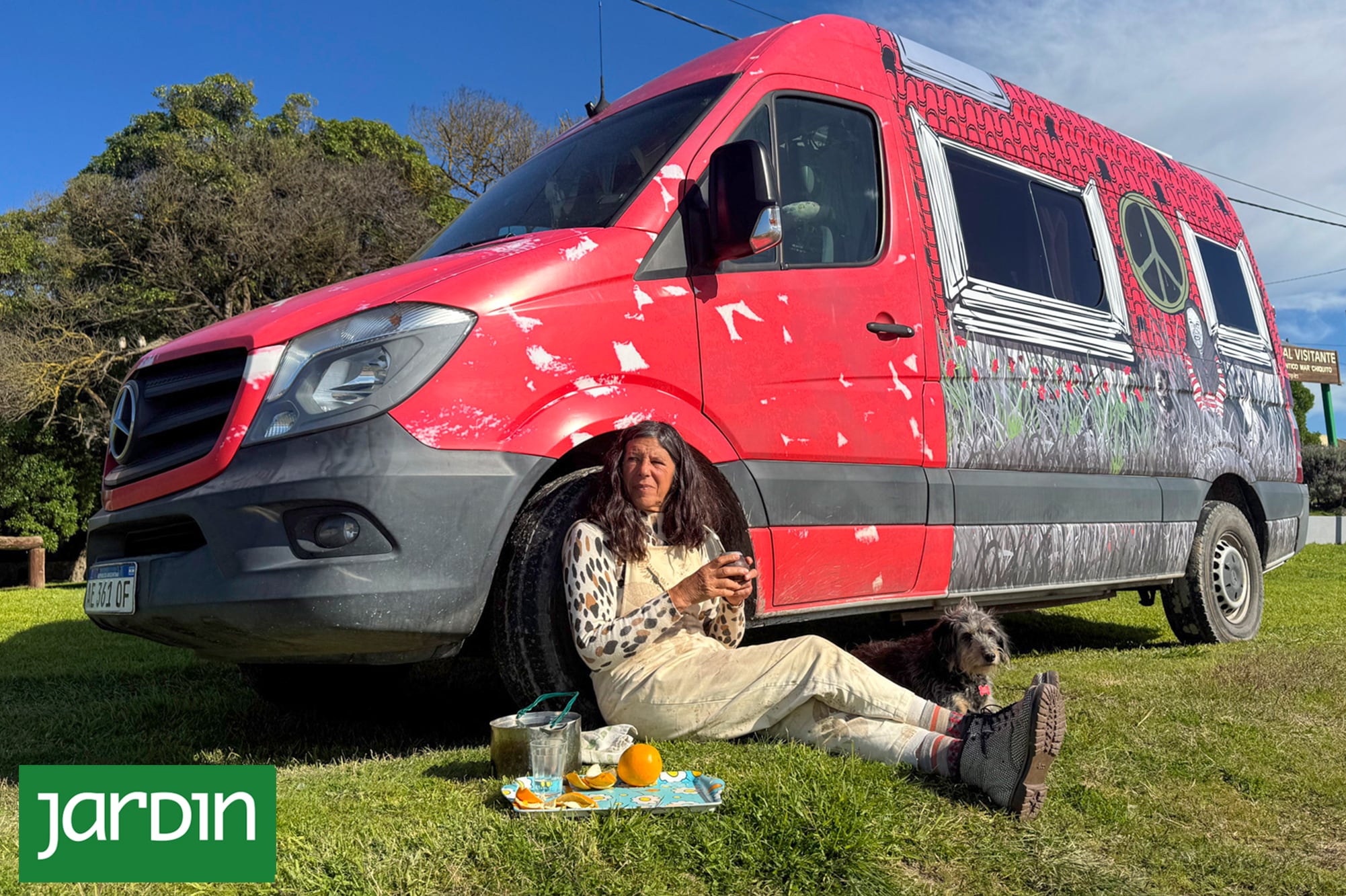
'In a gated community, nature is like a static painting.' At 74, she sold everything to live in a mo…
From Our Blog

What Gets Lost (and Found) When News Is Translated

The Critical Role of Diaspora Media in Global News

What Travellers Should Know About Countries with Restricted Press

A Digital Nomad's Guide to Following Local News

How the Same Story Looks Different in Different Countries
