

Lima's informal housing makes 80% vulnerable to major earthquakes
Translated from Spanish, summarized and contextualized by DistantNews.
At a glance
News
Sources not specified
Context piece
- An estimated 80% of Lima's housing is informally constructed, with half deemed highly vulnerable to earthquakes.
- Experts warn that informal construction practices significantly increase the risk of casualties in a major seismic event.
- Peru has seismic-resistant building codes, but their effectiveness is compromised when construction deviates from technical standards.
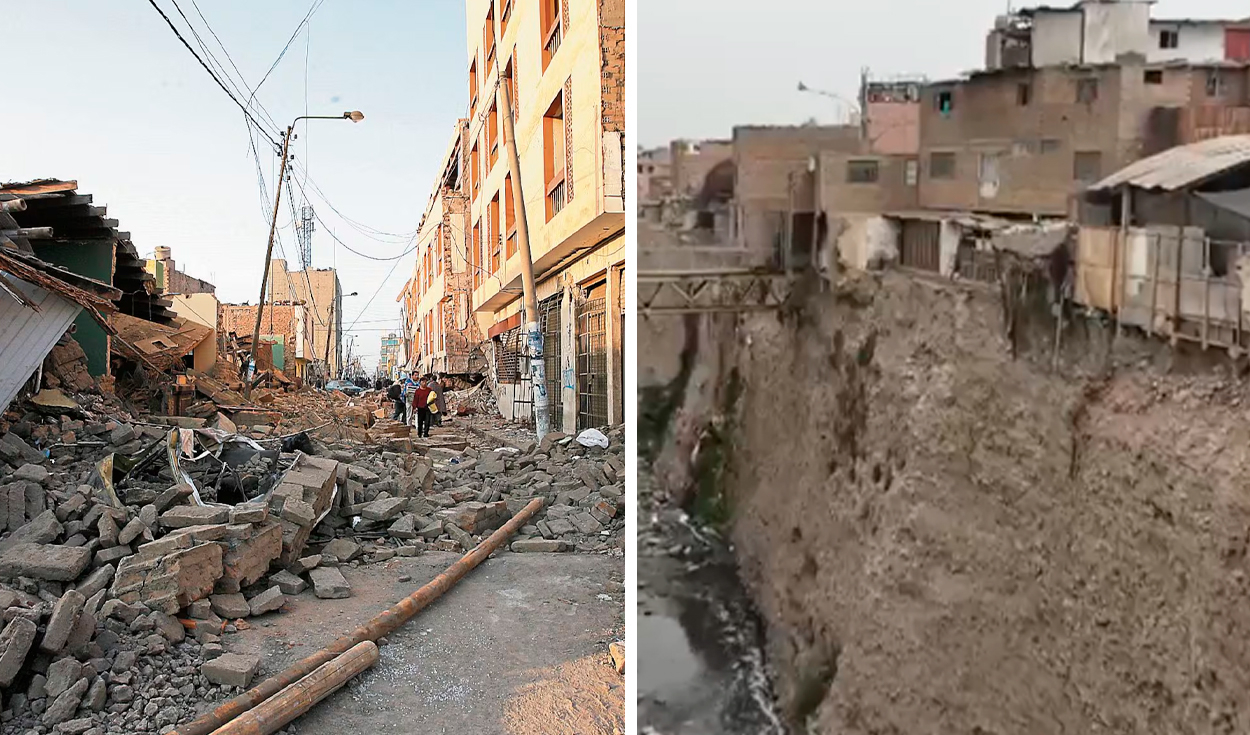
A major earthquake in Lima could result in thousands of casualties due to the high vulnerability of many of the capital's homes. Specialists have warned that informal construction practices are a primary factor that could worsen the impact of a strong seismic event.
informality in construction represents one of the main factors that could aggravate the impact of a strong seismic event.
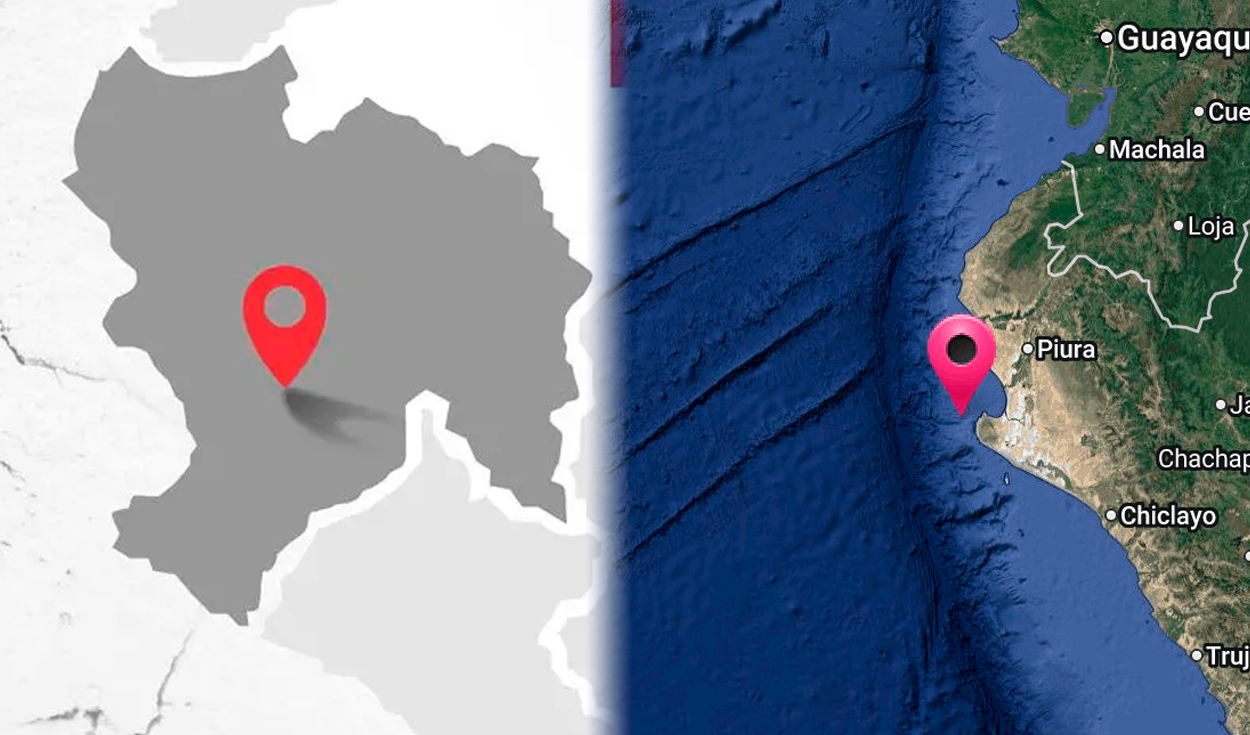
Representatives from the Peruvian Chamber of Construction (Capeco) indicated that approximately 80% of Lima's housing was built informally. Of this group, around half are considered highly vulnerable to a powerful earthquake. The risk is not confined to the capital; the National Center for Estimation, Prevention, and Disaster Risk Reduction (Cenepred) reports that about 4.8 million people live in very high seismic risk zones between Áncash and Ica, with another 5.6 million in high-risk areas.
Miguel Estrada, dean of Civil Engineering at the National University of Engineering (UNI), explained that three fundamental factors influence a building's behavior during an earthquake: soil type, construction quality and formality, and the earthquake's characteristics. He stressed that while Peru has seismic-resistant building regulations, their effectiveness diminishes when homes are built without adhering to established technical criteria.
around 4.8 million people live in zones of very high seismic risk, while another 5.6 million are in areas considered high risk.
Structural reinforcement offers a potential solution for existing buildings, improving their resilience and protecting occupants. The National Civil Defense Institute (Indeci) recommends families create emergency plans, identify safe zones and evacuation routes within their homes, and secure tall furniture. Specialists emphasize that preparation, including professional assessments of existing structures, is crucial before an earthquake strikes, especially in seismically active cities like Lima.
Perú counts on a seismic-resistant construction regulation, but warned that this loses effectiveness when housing is built without respecting the established technical criteria.
DistantNews Editorial
Originally published by La República in Spanish. Translated, summarized, and contextualized by our editorial team with added local perspective. Read our editorial standards.
More Stories
From Our Blog

What Gets Lost (and Found) When News Is Translated

The Critical Role of Diaspora Media in Global News

What Travellers Should Know About Countries with Restricted Press

A Digital Nomad's Guide to Following Local News

How the Same Story Looks Different in Different Countries
