


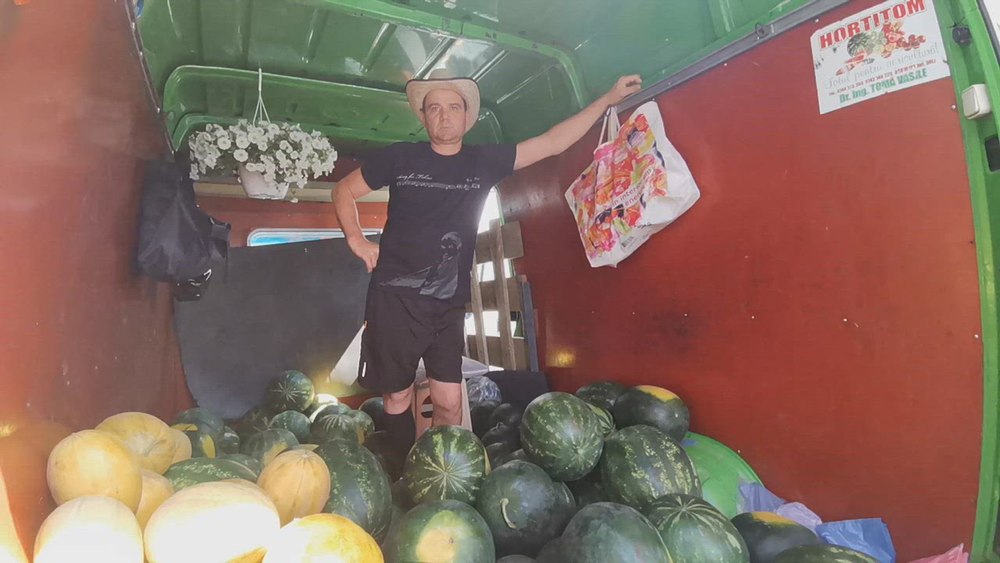
Local or imported? What we buy from the market and at what price. 'It's the second cheapest in the country. Tomatoes priced from Vâlcea upwards'
Translated from Romanian, summarized and contextualized by DistantNews.
At a glance
News
Sources not specified
Context piece
- Shoppers in Slatina, Romania, are seeking seasonal fruits and vegetables, hoping for local, untreated produce.
- Vendors admit that while some local produce is available, a significant portion is imported, particularly from Greece, and some customers prefer imported goods due to concerns about forced ripening.
- Prices vary, with cherries at 10 lei/kg and tomatoes selling for less than 3 lei/kg, with vendors in the market offering lower prices than direct producers.
Shoppers visiting the Slatina market in Romania are looking for seasonal fruits and vegetables, hoping to find local produce that hasn't been treated for long storage and transport. However, the origin of the produce is a mixed bag, with vendors offering differing accounts.
If you ask them, they all say they are producers and have it from their own farm. Well, besides what they have from themselves, they also buy from others, they buy from warehouses, brought from Greece.
Some vendors claim their produce is entirely local, while others admit to supplementing their stock with imports, particularly from Greece. One vendor stated, "If you ask them, they all say they are producers and have it from their own farm. Well, besides what they have from themselves, they also buy from others, they buy from warehouses, brought from Greece." Some customers even prefer Greek produce, fearing that local fruits and vegetables might be artificially ripened.
Produce availability and origin vary. Pears are from Argentina, while other items like cabbage, cucumbers, tomatoes, peppers, and potatoes are confirmed to be local, sourced from areas like Izbiceni and Rusănești. Apricots come from Constanța, and cherries from Argeș. However, peaches are imported from Bulgaria. Vendors also note that the prices in the market sector are often lower than those offered by direct producers, as they buy in bulk and sometimes deal with second-quality produce.
They want from Greece, because they were grown there, they are also tested.
Vendors complain that customers are not coming to the market with much money. Tomatoes, for instance, are selling for less than 3 lei per kilogram, with producers selling them for 2-2.5 lei per kilogram. The situation has led to a discussion with the head of the wholesale market in Cilieni, who was surprised by the low prices.
We buy them second-hand, not third-hand, like in other markets, and what you see here is also second-quality merchandise, they are smaller, the producer sorts them, he can't afford to put them among the big ones for the intermediary.
DistantNews Editorial
Originally published by Adevărul in Romanian. Translated, summarized, and contextualized by our editorial team with added local perspective. Read our editorial standards.
More Stories


From Our Blog

What Gets Lost (and Found) When News Is Translated

The Critical Role of Diaspora Media in Global News

What Travellers Should Know About Countries with Restricted Press

A Digital Nomad's Guide to Following Local News

How the Same Story Looks Different in Different Countries
