

Long-term holding tax benefits for high-value homes heavily concentrated in Seoul
Translated from Korean, summarized and contextualized by DistantNews.
At a glance
News
Documents & data
New plan
- Over 90% of the benefits from South Korea's long-term holding special tax deduction for high-value homes were concentrated in Seoul.
- Homes valued over 3 billion won received more than 44% of these deductions.
- The government is considering reforms to the tax deduction system, potentially shifting focus from holding period to residency period.
A significant majority of the tax benefits from South Korea's long-term holding special deduction for properties exceeding 1.2 billion won in real transaction value were concentrated in Seoul, with over 90% of the total deductions benefiting homeowners in the capital.
Data from the National Tax Service shows that last year, the total long-term holding special deduction amounted to 863.8 billion won, an increase of 236.7 billion won from the previous year. This deduction system allows for tax relief based on holding and residency periods, with a maximum of 80% (40% each for holding and residency of over 10 years) for single homeowners selling properties valued above 1.2 billion won.
Seoul accounted for 782.3 billion won of these deductions, far surpassing other regions like Gyeonggi Province (53.9 billion won) and Busan (18.2 billion won). The average deduction per high-value property transaction in Seoul was approximately 289 million won, significantly higher than in Gyeonggi (85 million won) or Incheon (61 million won).
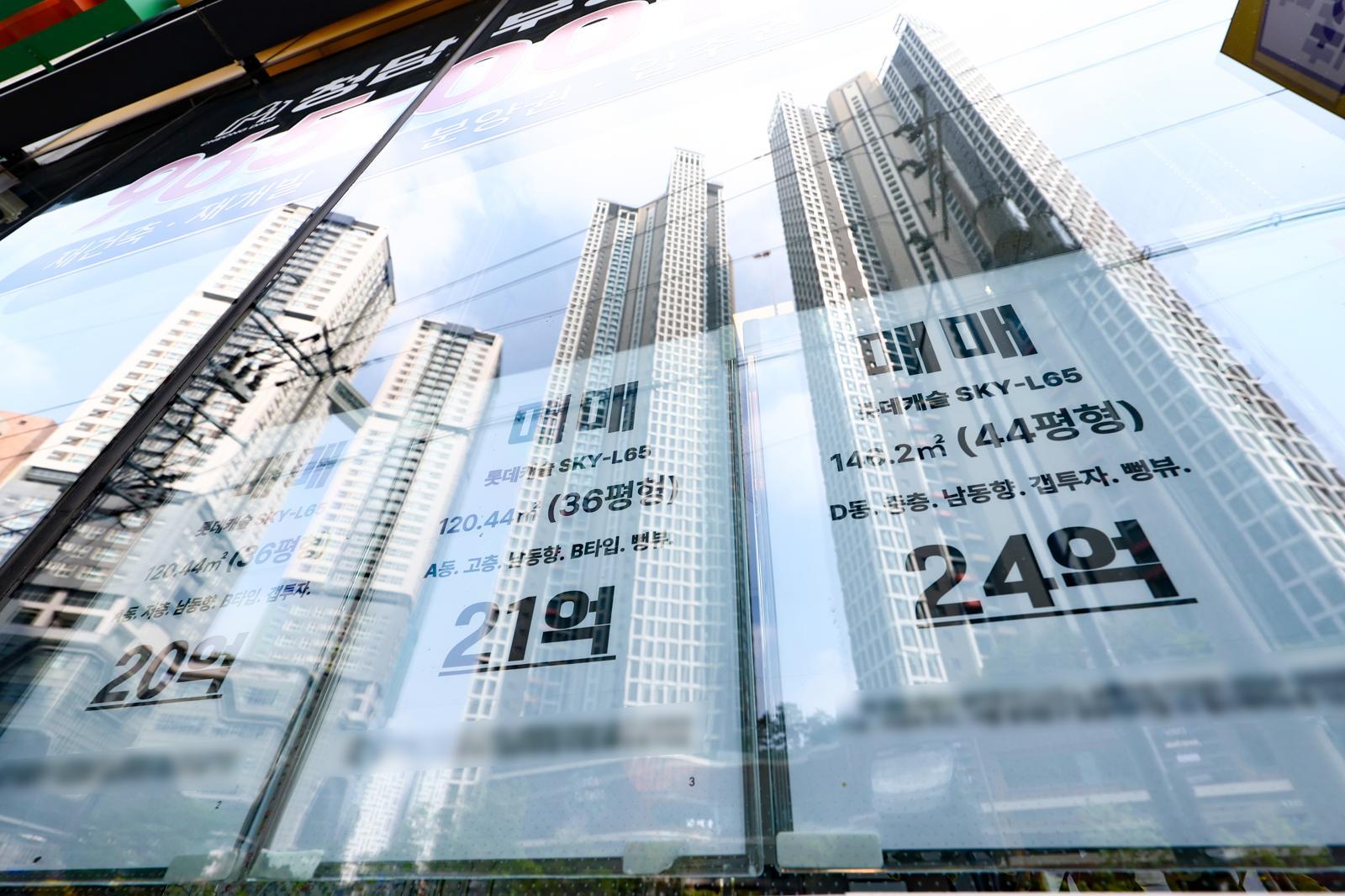
The concentration of benefits was even more pronounced for ultra-high-value homes. Properties exceeding 3 billion won received over 44% of the total deductions, amounting to 382.7 billion won. Homes valued above 5 billion won also received substantial benefits, totaling 160.5 billion won.
In response to this concentration of benefits among a select group of wealthy individuals, the government is reportedly reviewing reforms. A potential change involves eliminating deductions based solely on the holding period and instead focusing on residency duration for up to an 80% deduction. Details are expected in the Ministry of Economy and Finance's tax reform plan, slated for release at the end of July.
DistantNews Editorial
Originally published by Dong-A Ilbo in Korean. Translated, summarized, and contextualized by our editorial team with added local perspective. Read our editorial standards.
More Stories



From Our Blog

What Gets Lost (and Found) When News Is Translated

The Critical Role of Diaspora Media in Global News

What Travellers Should Know About Countries with Restricted Press

A Digital Nomad's Guide to Following Local News

How the Same Story Looks Different in Different Countries
