



Longevity Olympics: Biohackers Race to Slow Aging
Translated from Romanian, summarized and contextualized by DistantNews.
At a glance
News
Sources not specified
Context piece
- Biohackers and longevity enthusiasts are competing in the Rejuvenation Olympics to slow the aging process.
- American entrepreneur Bryan Johnson leads the competition with an estimated biological aging rate of 0.503, despite a recent autoimmune gastritis diagnosis.
- While proponents claim these methods advance understanding of aging, researchers caution that many biohacker practices lack solid scientific evidence and may carry risks.
In a unique competition focused on longevity, participants are striving not for athletic records, but to decelerate the body's aging process. The Rejuvenation Olympics brings together individuals globally who meticulously monitor their biological health, adhering to complex regimens of diet, exercise, and supplements in hopes of extending their lives and maintaining better health.
Among the prominent figures in this movement is American entrepreneur and biohacker Bryan Johnson, who champions the "Don't Die" message. Johnson gained international attention by reportedly investing approximately 1.5 million pounds in a single year on various anti-aging interventions. His program involves experimental therapies, intensive medical monitoring, hundreds of tests and imaging scans, and a daily regimen of numerous dietary supplements.
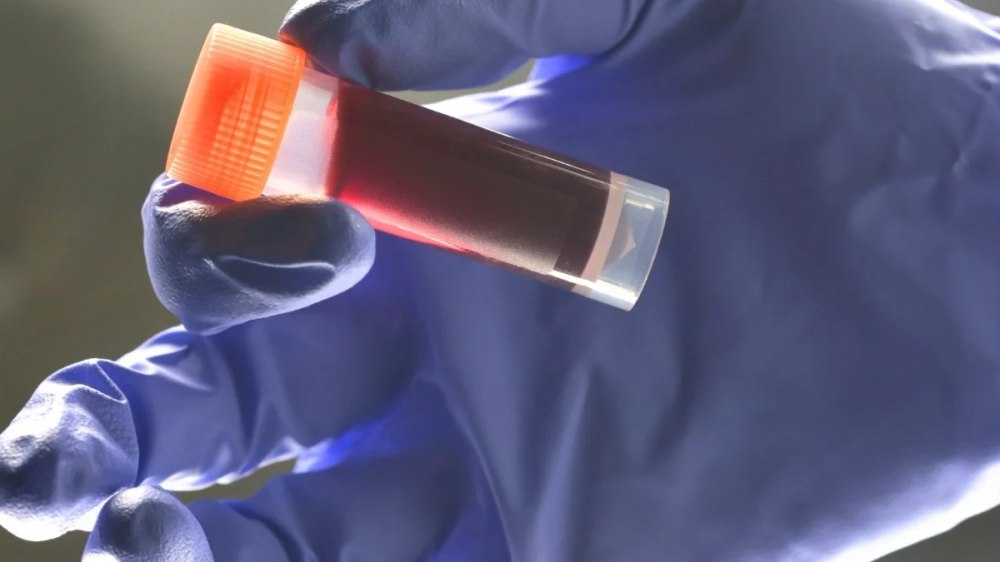
Johnson currently leads the Rejuvenation Olympics standings with an estimated aging rate of 0.503, determined by epigenetic analyses of blood and saliva samples. This suggests his body is aging at roughly half the normal rate, according to the competition's methodology. Despite a recent diagnosis of autoimmune gastritis, which he links to his childhood diet and adult stress, Johnson continues his pursuit.
The competition, which includes nearly 15,000 participants from dozens of countries, highlights a growing interest in extending healthy lifespans. However, many scientists express caution, warning that numerous biohacker methods lack robust scientific backing and could pose risks if implemented without rigorous clinical guidance.
Don't Die
DistantNews Editorial
Originally published by Adevărul in Romanian. Translated, summarized, and contextualized by our editorial team with added local perspective. Read our editorial standards.
More Stories

From Our Blog

What Gets Lost (and Found) When News Is Translated

The Critical Role of Diaspora Media in Global News

What Travellers Should Know About Countries with Restricted Press

A Digital Nomad's Guide to Following Local News

How the Same Story Looks Different in Different Countries
