

Low Gas Storage Levels: Ministry Appeals to Traders
Translated from German, summarized and contextualized by DistantNews.
At a glance
News
Named sources
Context piece
- Germany's Federal Ministry for Economic Affairs and the Federal Network Agency are urging traders to fill gas storage facilities ahead of winter.
- Current storage levels are around 50% full, with approximately 74% of capacity booked, which is considered low.
- Geopolitical tensions, particularly concerning the Strait of Hormuz, are driving up gas prices and making summer purchases less attractive for traders.
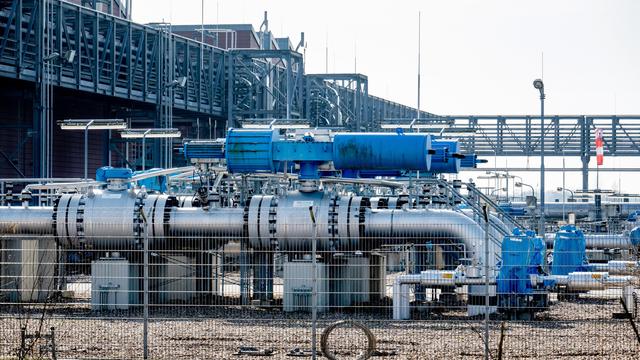
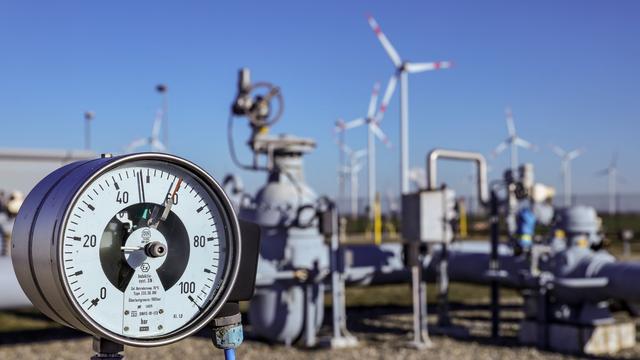
Germany's Federal Ministry for Economic Affairs and the Federal Network Agency have called on the energy industry to increase gas storage levels, citing concerns over low reserves ahead of winter. A ministry spokesperson stated that the current filling of German storage facilities, which are about half full, is "very low." The agencies are closely monitoring the situation, including geopolitical factors, and are urging traders to actively store gas. Currently, approximately 74% of storage capacity is booked. The ministry noted that while sufficient gas is available, the geopolitical context, including disruptions to international transport of gas and oil through the Strait of Hormuz, is driving up prices. This makes it less attractive for traders to buy gas in the summer for sale during the winter heating season. European natural gas prices reached their highest level since the early stages of the Iran-Ukraine war on Wednesday, with the benchmark TTF contract trading at 64.60 euros per megawatt-hour for next-month delivery. Federal Network Agency President Klaus Müller emphasized the responsibility of traders, stating, "There is enough gas available. Therefore, I cannot imagine that a gas trader would want to explain to their customers that there will not be enough gas in the winter because they did not take sufficient precautions." He expects traders to fulfill their obligations. Russia was historically Germany's main gas supplier, but supplies were cut off following the outbreak of the Ukraine war. In response, Germany introduced storage level requirements in spring 2022, which have since been eased. While a spokesperson for the Ministry of Economic Affairs did not definitively confirm whether gas supplies for winter are secured, they reiterated the appeal to traders' responsibility. The ministry also highlighted that Germany now sources gas from multiple origins, with nearly half coming from Norway, supplemented by pipeline gas from France and Belgium, and liquefied natural gas (LNG) imported via German terminals, largely from the United States. A strategic gas reserve is planned to ensure future supply security, though its financing remains unclear.
We are observing the situation closely, also in the geopolitical context, and are calling on traders to store gas.
DistantNews Editorial
Originally published by Die Zeit in German. Translated, summarized, and contextualized by our editorial team with added local perspective. Read our editorial standards.
More Stories
From Our Blog

What Gets Lost (and Found) When News Is Translated

How the Same Story Looks Different in Different Countries

The Critical Role of Diaspora Media in Global News

What Travellers Should Know About Countries with Restricted Press

A Digital Nomad's Guide to Following Local News
