


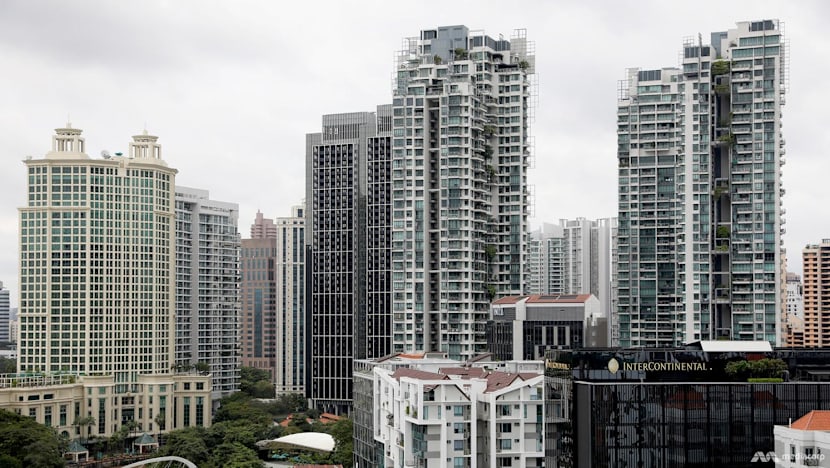
Lower consent thresholds could revive Singapore's en bloc market, but boom unlikely: Analysts
Translated from English, summarized and contextualized by DistantNews.
At a glance
News
Sources not specified
New plan
- Analysts suggest proposed lower consent thresholds for en bloc property sales could revitalize the market.
- However, a full-scale boom is unlikely, with shorter signature periods potentially increasing neighborly disputes.
- The changes aim to streamline the collective sale process, but market conditions and owner consensus remain key factors.
Singapore's en bloc property market may see renewed activity following proposed changes to lower consent thresholds. Analysts believe these adjustments, which shorten the time needed to gather signatures for a collective sale, could stimulate interest.
However, the anticipated revival is expected to be moderate rather than a full-blown boom. Experts caution that the reduced timeframe for obtaining owner consent might exacerbate tensions between neighbors who are reluctant to sell their properties. This could lead to increased friction within residential communities.
The proposed changes aim to simplify the often lengthy and complex en bloc process. While a lower threshold could make it easier to initiate a sale, the ultimate success will still depend on broader market conditions and achieving a consensus among a significant majority of owners. The market's response will be closely watched as these proposals move forward.
With a shorter time to get the required number of signatures for a collective sale, this might heighten tensions among neighbours who are not keen to sell, said an analyst.
DistantNews Editorial
Originally published by CNA in English. Translated, summarized, and contextualized by our editorial team with added local perspective. Read our editorial standards.
More Stories



From Our Blog

What Gets Lost (and Found) When News Is Translated

The Critical Role of Diaspora Media in Global News

What Travellers Should Know About Countries with Restricted Press

A Digital Nomad's Guide to Following Local News

How the Same Story Looks Different in Different Countries
