

Lumpy skin disease detected on Sunchang cattle farm, first national case this year
Translated from Korean, summarized and contextualized by DistantNews.
At a glance
News
Sources not specified
New plan
- Lumpy skin disease has been confirmed on a Korean cattle farm in Sunchang, marking the first national case this year.
- Authorities are implementing precise quarantine measures and emergency vaccinations instead of culling affected animals to minimize farm damage.
- The disease is transmitted by biting insects and affects cattle.
South Korea has confirmed its first case of lumpy skin disease (LSD) this year on a Korean cattle farm in Sunchang, North Jeolla Province. The outbreak was identified after suspicious skin lesions were observed on cattle, leading to swift diagnostic tests that confirmed the presence of the virus.
In response, provincial authorities have immediately activated an updated quarantine system. Unlike previous responses, the focus is on precise, farm-centered quarantine and emergency vaccination rather than widespread culling. This approach aligns with recent amendments to the "Livestock Contagious Disease Prevention Act," which reclassified LSD from a Class 1 to a Class 2 contagious disease. This change allows for more targeted containment measures without issuing nationwide movement bans or high-level crisis alerts.
We will quickly complete emergency vaccinations in the affected area and pursue preemptive vaccinations in adjacent counties to block additional spread.
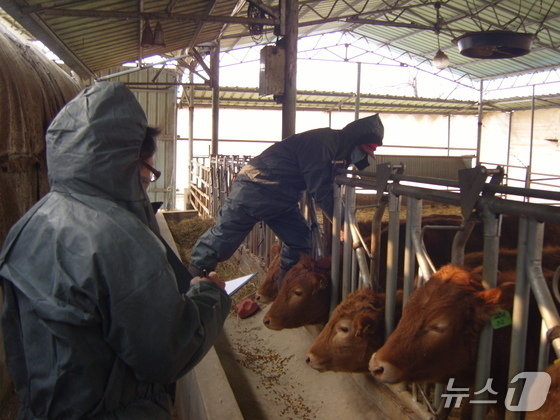
The affected farm is under strict movement restrictions, and a rapid response team has been deployed to control access and disinfect the premises. Three infected cattle will be isolated in a facility equipped with insect screens instead of being culled. The province plans to vaccinate all approximately 27,000 cattle across 599 farms in Sunchang within two weeks to prevent further spread.
Lumpy skin disease is a viral illness transmitted by biting insects, primarily affecting cattle. While the current outbreak is being managed with a focus on minimizing economic damage to farmers through isolation and treatment, authorities are urging vigilance. They emphasize the importance of continued disinfection, insect control, and prompt reporting of any suspicious symptoms to prevent wider dissemination of the disease.
We will thoroughly carry out insect control and intensive disinfection inside and outside the barns, and report any suspicious symptoms such as skin lesions to the quarantine agency immediately.
DistantNews Editorial
Originally published by Dong-A Ilbo in Korean. Translated, summarized, and contextualized by our editorial team with added local perspective. Read our editorial standards.
More Stories


From Our Blog

What Gets Lost (and Found) When News Is Translated

The Critical Role of Diaspora Media in Global News

What Travellers Should Know About Countries with Restricted Press

A Digital Nomad's Guide to Following Local News

How the Same Story Looks Different in Different Countries
