


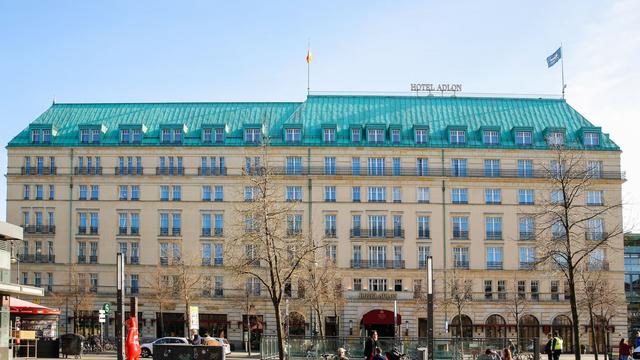
Luxury Hotel Adlon Faces Shareholder Opposition to Sale Over Profit-Sharing Deal
Translated from German, summarized and contextualized by DistantNews.
At a glance
News
Sources not specified
Context piece
- Some shareholders are opposing the sale of Berlin's iconic Hotel Adlon, citing concerns over a profit-sharing agreement.
- The agreement grants the real estate company Jagdfeld a significant percentage of the sale price if it exceeds a certain threshold.
- A minimum of 75% of investors must approve the sale by August 27 for it to proceed.
Disagreement has emerged among shareholders regarding the planned sale of the legendary Hotel Adlon in Berlin. A group of shareholders is reportedly critical of the deal, particularly concerning the profit-sharing arrangement for the Jagdfeld real estate company.
It is market practice that when the minimum selling price is exceeded, not only the shareholders benefit, but also the personally liable general partner.
According to reports, Jagdfeld is set to receive 20 percent of the sale price if it surpasses 310 million euros, with a minimum asking price set at 280 million euros. Jagdfeld defended the arrangement, stating it is customary for the personally liable general partner to benefit when the minimum sale price is exceeded, ensuring alignment of interests with investors who also profit from increased sale prices.
The luxury hotel is part of the Fundus-Fonds 31, managed by Jagdfeld, which represents approximately 4,000 owners, predominantly private investors. Jagdfeld claims the sale is driven by the investors' desire to divest their shares as they age, asserting that the proposed sale will achieve the highest possible price for them.
With the intended sale, we best meet the wishes of the investors and are thus able to achieve the highest possible price.
However, the dissenting shareholders, who collectively hold several hundred thousand euros in the fund, believe the Adlon could fetch between 350 million and 400 million euros. They argue that Jagdfeld's potential profit-sharing, which could amount to tens of millions of euros, is excessive. For the sale to be approved, at least 75 percent of the investors must consent by the August 27 deadline. The outcome remains uncertain, as it depends on securing the support of additional major shareholders.
The fund company is in the comfortable position of being able to 'freely and of its own volition go this way and hand over Germany's most famous hotel to new hands'.
DistantNews Editorial
Originally published by Die Zeit in German. Translated, summarized, and contextualized by our editorial team with added local perspective. Read our editorial standards.
More Stories

From Our Blog

What Gets Lost (and Found) When News Is Translated

How the Same Story Looks Different in Different Countries

The Critical Role of Diaspora Media in Global News

What Travellers Should Know About Countries with Restricted Press

A Digital Nomad's Guide to Following Local News
