

Madness or Society? Short Story Collection Explores Women on the Edge
Translated from Korean, summarized and contextualized by DistantNews.
At a glance
In-depth
Sources not specified
Context piece
- A short story collection titled 'No One Went Mad' features five female authors exploring women on the edge.
- The stories examine societal pressures that push characters to extreme states, rather than inherent madness.
- One story, 'The Economics of Cultivation,' questions how far the human body can be exploited as a resource in a capitalist society.
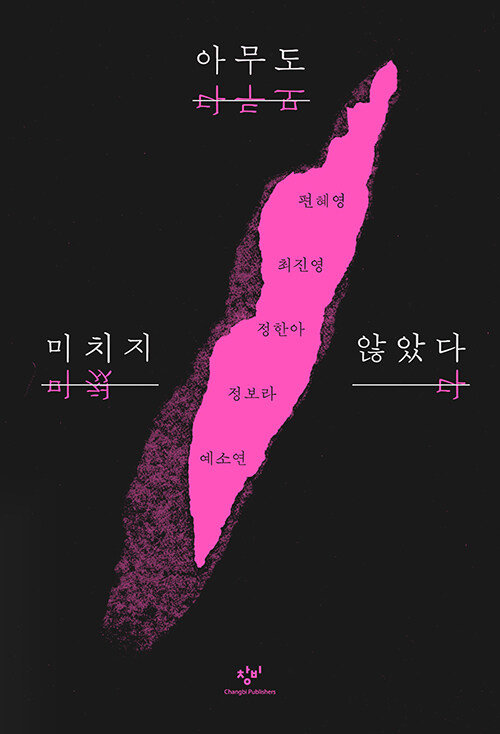
A collection of short stories by five South Korean women authors, titled 'No One Went Mad,' delves into the lives of women teetering on the brink. The anthology, featuring works by Pyun Hye-young, Choi Jin-young, Jeong Han-a, Jeong Bo-ra, and Ye So-yeon, presents characters who appear 'mad' but ultimately reveal the societal structures that drive them to such extremes.
In Pyun Hye-young's story, 'The Economics of Cultivation,' the protagonist suffers a severe injury but is urged by her sister to feign complete paralysis to claim insurance money. The narrative highlights the sister's unsettling energy as she gathers information and the disturbing lengths the siblings go to, staging the disability for an insurance investigator. This story probes the fundamental question of how much the human body can be treated as a resource within a capitalist framework.
Women who run away from life only to falter, and women who didn't expect much from life but didn't even get that, are always the saddest stories for me.
The authors' notes accompanying the stories further illuminate their concerns. Pyun Hye-young expresses that stories of women fleeing life only to falter, or those who desired little but received even less, are the saddest she encounters. Jeong Bo-ra, author of 'Crushed Women,' writes that oppression shatters the human mind, and such a world drives women to madness. Ultimately, the collection argues that it is not the 'mad woman' but the world that drives her to that state, which is the true subject of these narratives.
Oppression breaks a person's mind. That kind of world drives women mad.
DistantNews Editorial
Originally published by Dong-A Ilbo in Korean. Translated, summarized, and contextualized by our editorial team with added local perspective. Read our editorial standards.
More Stories


From Our Blog

What Gets Lost (and Found) When News Is Translated

The Critical Role of Diaspora Media in Global News

What Travellers Should Know About Countries with Restricted Press

A Digital Nomad's Guide to Following Local News

How the Same Story Looks Different in Different Countries
