


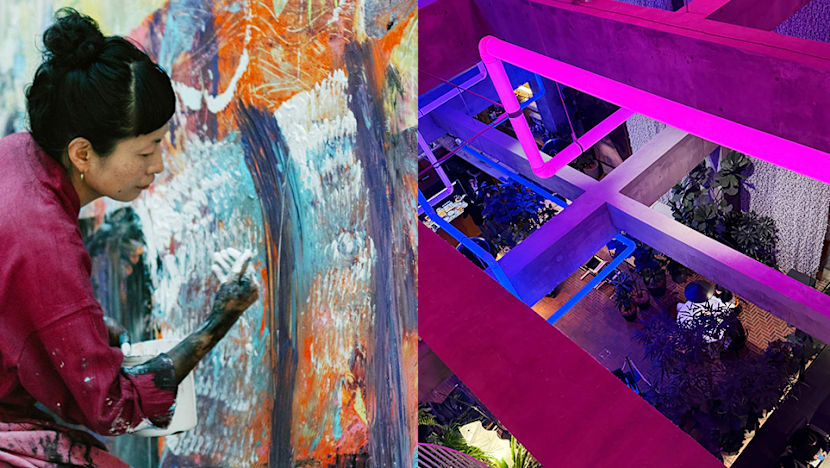
Maebashi emerges as Japan's creative city with art hotel transformation
Translated from English, summarized and contextualized by DistantNews.
At a glance
In-depth
Named sources
Context piece
- Maebashi, Japan, is gaining recognition as a creative hub, largely due to the transformation of the historic Shiroiya Hotel.
- Designed by architect Sou Fujimoto, the hotel revitalized the 300-year-old ryokan's former site, blending its Brutalist structure with contemporary art and greenery.
- The project, spearheaded by JINS founder Hitoshi Tanaka, aims to renew Maebashi, attracting artists and design enthusiasts.
Maebashi, the capital of Japan's Gunma Prefecture, is quietly emerging as a significant creative destination, drawing attention from artists, architects, and design enthusiasts. This burgeoning reputation is largely centered around the revitalized Shiroiya Hotel, which opened in December 2020.
The hotel's design, conceived by renowned Japanese architect Sou Fujimoto, is a key landmark. Fujimoto, known for projects like the Grand Ring at Expo 2025 Osaka and the London Serpentine Pavilion, has transformed the site of the former Shiroiya Hotel, a ryokan with over 300 years of history. The inn, which had occupied a 1970s concrete building before its closure in 2008, was revitalized by Maebashi native Hitoshi Tanaka, founder and CEO of the global eyewear company JINS.
Tanaka acquired the property in 2014 and commissioned Fujimoto to create an art-focused destination. The renovation preserved the original Brutalist concrete structure while introducing contemporary art and natural elements. American artist Lawrence Weiner's typographical artwork marks the hotel's presence, while Leandro Erlich's "Lighting Pipes" installation twists through the central four-story atrium. Skylights illuminate the space, where abundant greenery softens the raw concrete, creating a unique atmosphere.
The complex, now known as the Heritage Tower, features 17 guestrooms. Fujimoto also designed the adjacent Green Tower, a grass-covered mound containing eight guestrooms and wellness facilities. Food and beverage spaces, including a Blue Bottle Coffee cafe, bakery, and patisserie, surround the development. Standard rooms showcase works by artists like Kengo Kito and Kenzo Onoda, with four concept rooms offering immersive artistic experiences.
DistantNews Editorial
Originally published by CNA in English. Translated, summarized, and contextualized by our editorial team with added local perspective. Read our editorial standards.
More Stories


From Our Blog

What Gets Lost (and Found) When News Is Translated

The Critical Role of Diaspora Media in Global News

What Travellers Should Know About Countries with Restricted Press

A Digital Nomad's Guide to Following Local News

How the Same Story Looks Different in Different Countries
