


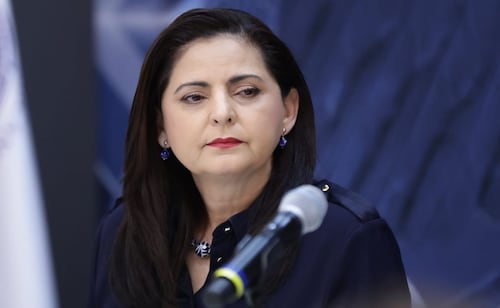
Magistrate's Exit from Electoral Tribunal Sparks Concern Among INE Councilors
Translated from Spanish, summarized and contextualized by DistantNews.
At a glance
News
Named sources
Context piece
- Electoral councilors at Mexico's National Electoral Institute (INE) expressed concern over the early departure of Magistrate Mónica Soto from the Superior Chamber of the Federal Judicial Power's Electoral Tribunal (TEPJF).
- Soto's resignation leaves two vacancies, including her own, within the Superior Chamber, just weeks before the 2026-2027 electoral process begins.
- Councilors fear Soto's departure and the resulting vacancies will impact the TEPJF's ability to function effectively, particularly regarding the upcoming elections, despite the presiding magistrate's tie-breaking vote.
Concerns are rippling through Mexico's National Electoral Institute (INE) following the unexpected early departure of Magistrate Mónica Soto Fregoso from the Superior Chamber of the Federal Judicial Power's Electoral Tribunal (TEPJF). Her resignation comes less than a month before the 2026-2027 electoral process is set to commence, raising alarms among electoral councilors.
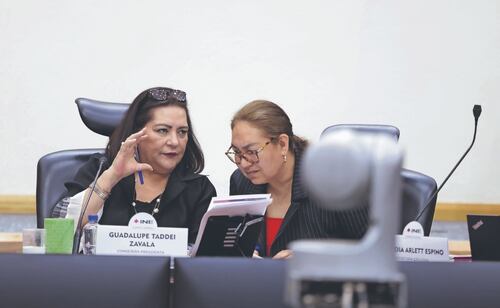
During a session on Tuesday, councilor Carla Humphrey lamented that Soto Fregoso's exit creates two vacancies that should be filled by women within the Superior Chamber. "Now Magistrate Claudia Valle is left alone, unfortunately there are two vacancies," Humphrey stated, questioning whether a replacement would be appointed or if the INE would include the positions in its next judicial election.
Now Magistrate Claudia Valle is left alone, unfortunately there are two vacancies.
Councilor Martín Faz echoed these concerns, emphasizing that while the presiding magistrate holds a tie-breaking vote, the absence of a full collegiate body weakens the tribunal's decision-making process. "A tie-breaking vote leads to the decision resting solely on the judgment of one person, which is precisely why collegiate bodies exist," Faz explained. He added that the tribunal's integration is crucial for its institutional architecture, designed to prevent decisions from being concentrated in a single individual.
Councilor Jorge Montaño suggested that legally, filling Soto's vacancy would likely need to wait for the next Judicial Power election, as an extraordinary election so close to the September 10 start of the process would be impractical. However, he noted that electoral tribunals possess their own substitution mechanisms, which could offer a solution.
A tie-breaking vote leads to the decision resting solely on the judgment of one person, which is precisely why collegiate bodies exist.
DistantNews Editorial
Originally published by El Universal in Spanish. Translated, summarized, and contextualized by our editorial team with added local perspective. Read our editorial standards.
More Stories

From Our Blog

What Press Freedom Means for the News You Read

What Gets Lost (and Found) When News Is Translated

The Critical Role of Diaspora Media in Global News

What Travellers Should Know About Countries with Restricted Press

A Digital Nomad's Guide to Following Local News
