

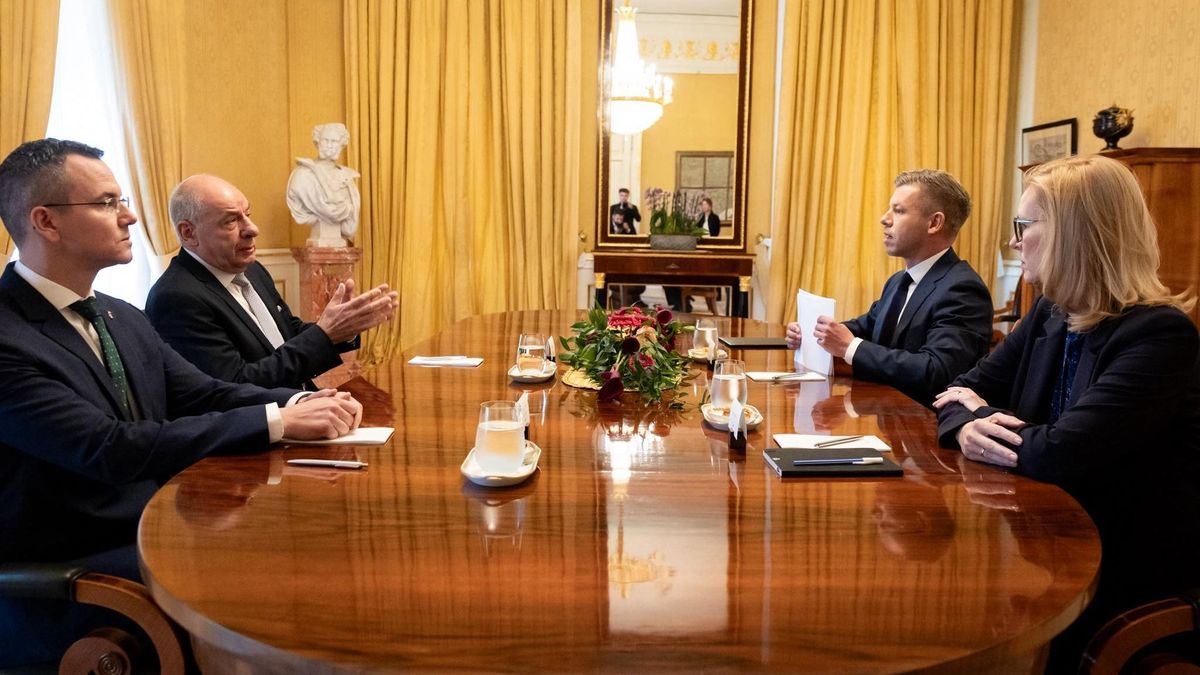
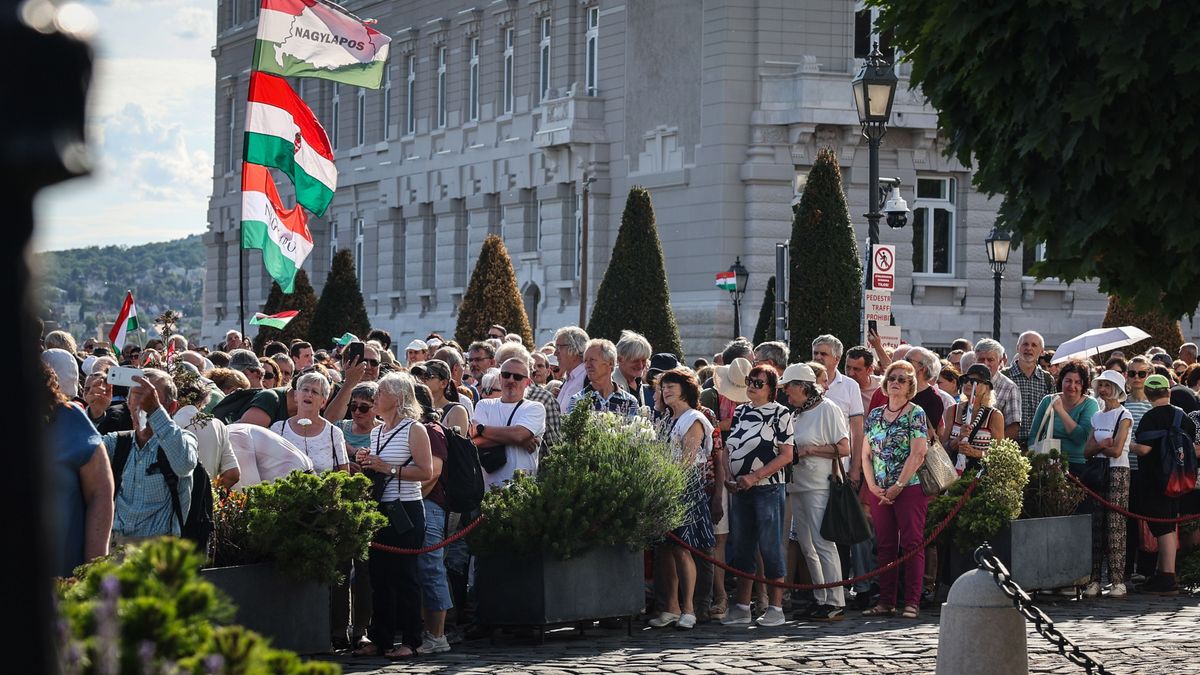
Magyar's pressure on President Sulyok seen as threat to constitutional order
Translated from Hungarian, summarized and contextualized by DistantNews.
At a glance
News
Sources not specified
Ongoing story
- Péter Magyar demanded President Tamás Sulyok's resignation, setting an arbitrary deadline of May 31.
- When Sulyok did not resign, Magyar escalated his threats, which some view as a threat to the constitutional order.
- The government plans to achieve its goal through constitutional amendment rather than impeachment, as Sulyok has not committed any offense warranting removal.
Péter Magyar demanded the resignation of President Tamás Sulyok on election night, setting an arbitrary deadline of May 31 for the head of state to leave office. When the president did not comply with the prime minister's wish by the self-imposed deadline, Magyar escalated his threats. However, the president did not yield to the intimidation and refused to step down.
Magyar's increasingly forceful attempts against the president are seen by many as a threat to the constitutional order. The Tisza party government is not employing the impeachment option available under the constitution. This is because doing so would require Sulyok to intentionally violate the constitution or a law, or intentionally commit a crime. Instead, the prime minister intends to achieve his goal through a constitutional amendment.
This situation highlights a significant political tension in Hungary, where opposition figures are using strong rhetoric and deadlines to pressure the presidency. The government's proposed method of constitutional amendment suggests a strategy to bypass direct confrontation with the president's current legal standing while still pursuing his removal from office.
DistantNews Editorial
Originally published by Magyar Nemzet in Hungarian. Translated, summarized, and contextualized by our editorial team with added local perspective. Read our editorial standards.
More Stories
From Our Blog

Countries Without a Free Press: What You Need to Know

What Press Freedom Means for the News You Read

What Gets Lost (and Found) When News Is Translated

The Critical Role of Diaspora Media in Global News

What Travellers Should Know About Countries with Restricted Press
