


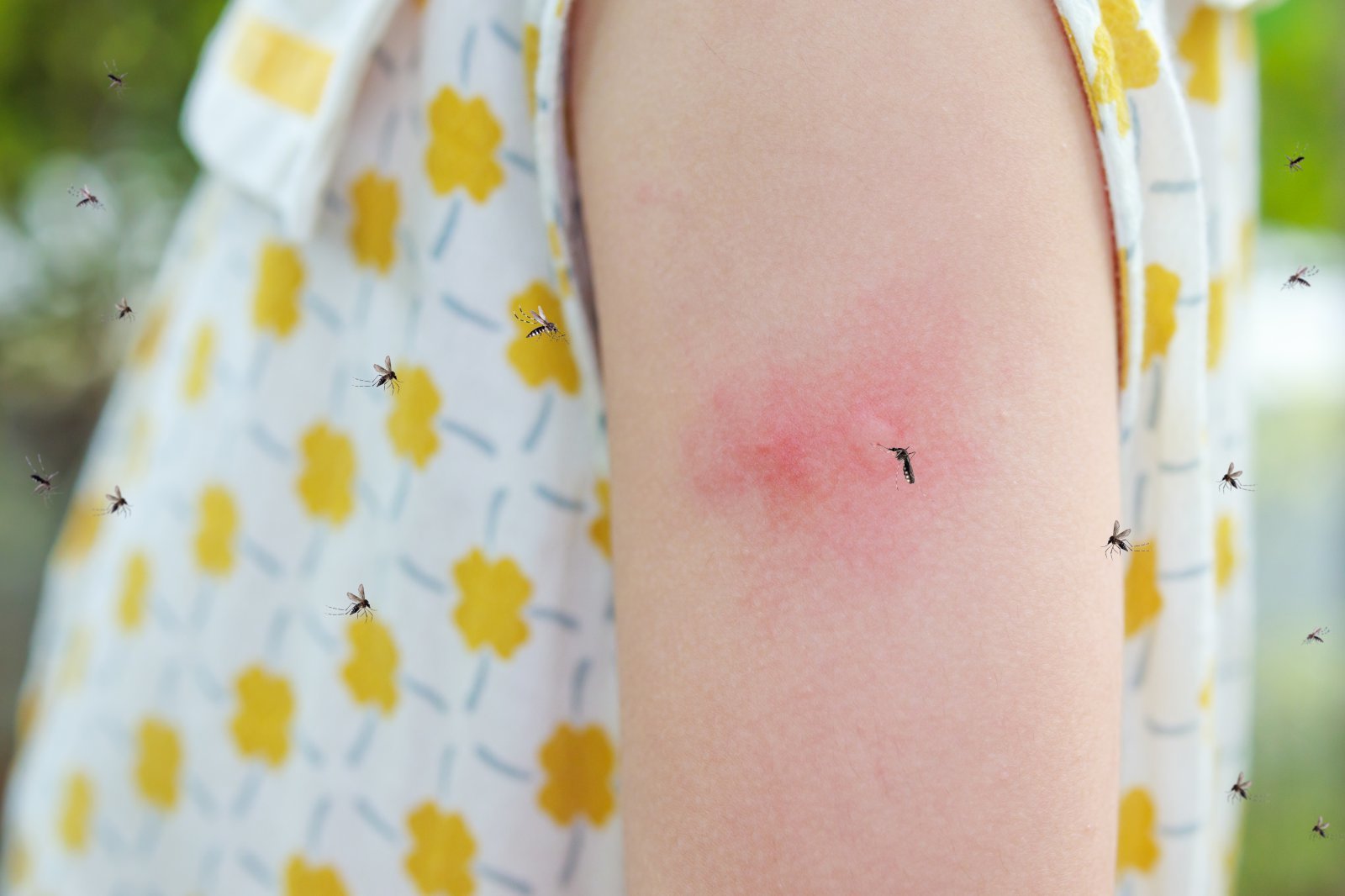
Malaria Spreads to Seoul as Summer Cases Rise
Translated from Korean, summarized and contextualized by DistantNews.
At a glance
News
Sources not specified
Context piece
- Malaria cases are increasing in South Korea, with experts warning that the disease is no longer confined to border regions due to climate change.
- Symptoms like high fever and chills, without cough or runny nose, can indicate malaria, and early diagnosis is crucial for treatment.
- Prevention focuses on avoiding mosquito bites through repellents and protective clothing, especially during outdoor activities in summer.
Malaria is spreading beyond its traditional border regions in South Korea, with cases now appearing even in Seoul, according to health experts. Climate change is expanding the habitat and activity periods of mosquitoes that carry the disease.
Malaria is no longer a disease that can only be seen in border areas.
Health authorities have issued a malaria advisory, urging caution during outdoor activities. Experts note that persistent high fever and chills, especially without respiratory symptoms like cough or runny nose, should prompt suspicion of malaria. The disease's early symptoms can mimic the flu, including fever, chills, muscle aches, and fatigue. However, the absence of typical cold symptoms is a key differentiator.
Malaria cases typically peak between June and August. While this year's numbers are down compared to last year, the trend of earlier onset and wider spread is concerning. "Malaria is no longer a disease that can only be seen in border areas," stated Dr. Choi Jae-pil, head of infectious diseases at Seoul Medical Center. He explained that warmer temperatures have increased mosquito populations and expanded their range, leading to cases in urban areas like Seoul.
Malaria often causes severe illness like the flu, with high fever and muscle pain, but there are almost no upper respiratory infection symptoms like cough or phlegm.
Treatment for the common type of malaria in Korea, Falciparum malaria, is usually effective, but patients must complete the full course of medication. Stopping treatment early can lead to relapse, as the parasite can remain dormant in the liver. Delayed treatment can result in anemia and thrombocytopenia, with slower recovery for the elderly or immunocompromised.
Even if symptoms improve, you must take the prescribed medication until the end.
The primary prevention method is to avoid mosquito bites. This includes using insect repellent, wearing long sleeves and pants, and choosing loose-fitting clothing. After outdoor activities, especially camping, it's important to check for symptoms like fever or chills. Early diagnosis and treatment are key, and informing medical staff about recent travel to malaria-risk areas can aid in prompt identification.
It is most important to actively use mosquito repellent and get tested early if suspected symptoms appear.
DistantNews Editorial
Originally published by Dong-A Ilbo in Korean. Translated, summarized, and contextualized by our editorial team with added local perspective. Read our editorial standards.
More Stories



From Our Blog

What Gets Lost (and Found) When News Is Translated

The Critical Role of Diaspora Media in Global News

What Travellers Should Know About Countries with Restricted Press

A Digital Nomad's Guide to Following Local News

How the Same Story Looks Different in Different Countries
