


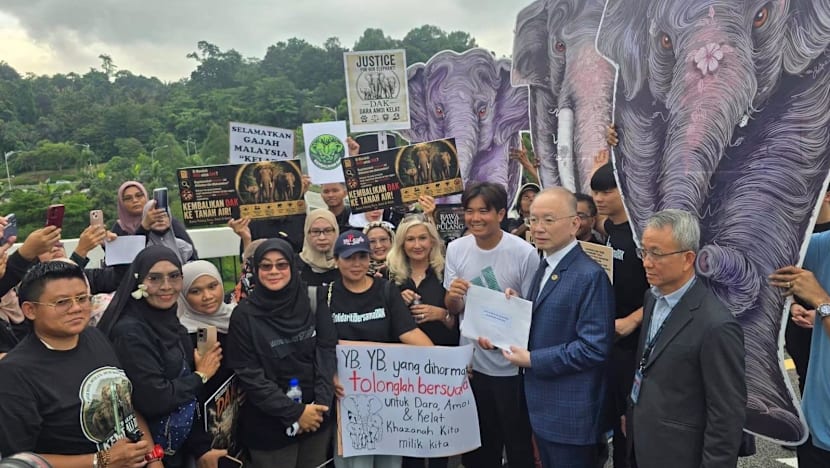
Malaysia probes elephant transfer to Japan over alleged missing funds
Translated from English, summarized and contextualized by DistantNews.
At a glance
News
Named sources
Under investigation
- Malaysia's Anti-Corruption Commission (MACC) is investigating the transfer of three elephants from Malaysia to a Japanese zoo.
- Allegations suggest that payments totaling approximately RM53 million (US$12 million) linked to the transfer did not reach the Malaysian government.
- Wildlife rights groups have called for a probe into potential bribery, misappropriation, or abuse of power in the deal.
Malaysia's Anti-Corruption Commission (MACC) has launched an investigation into the transfer of three elephants from Taiping Zoo in Perak to Tennoji Zoo in Osaka, Japan. The probe centers on allegations that significant payments, reportedly around RM53 million (US$12 million), associated with the 25-year conservation and research agreement, did not reach the Malaysian government.
The investigation targets the national resources and environmental sustainability ministry, the wildlife and national parks department (Perhilitan), and agents involved in the elephants' relocation. The MACC stated it is examining claims of leakage and exploring possibilities of bribery, misappropriation, or abuse of power. The agency urged the public to refrain from speculation as the investigation is in its early stages.
The investigation is focused on the national resources and environmental sustainability ministry, the wildlife and national parks department (Perhilitan) and the agents involved in the elephants’ transfer.
Wildlife rights groups, including Hak Asasi Hidupan Liar Malaysia (Hidup) and Pertubuhan Pelindung Khazanah Alam Malaysia (Peka), brought the allegations to light. Peka claimed that approximately RM50 million was paid to several individuals instead of the government and provided the MACC with a list of individuals for investigation. The group's president, Rajesh Nagarajan, also raised concerns that the elephants were captured from the wild, not bred in captivity, and called for greater scrutiny over the approval process.
Peka has also requested the authorities to form a taskforce to investigate the transfer, ensuring compliance with Malaysian wildlife laws and international conservation agreements. The organization highlighted significant discrepancies found in export permits, animal health certificates, transaction invoices, and airway bills, questioning the legality and procedural integrity of the transfer.
MACC is investigating allegations of leakage and looking into the possibility of bribery, misappropriation, or abuse of power.
DistantNews Editorial
Originally published by CNA in English. Translated, summarized, and contextualized by our editorial team with added local perspective. Read our editorial standards.
More Stories


From Our Blog

What Gets Lost (and Found) When News Is Translated

The Critical Role of Diaspora Media in Global News

What Travellers Should Know About Countries with Restricted Press

A Digital Nomad's Guide to Following Local News

How the Same Story Looks Different in Different Countries
