


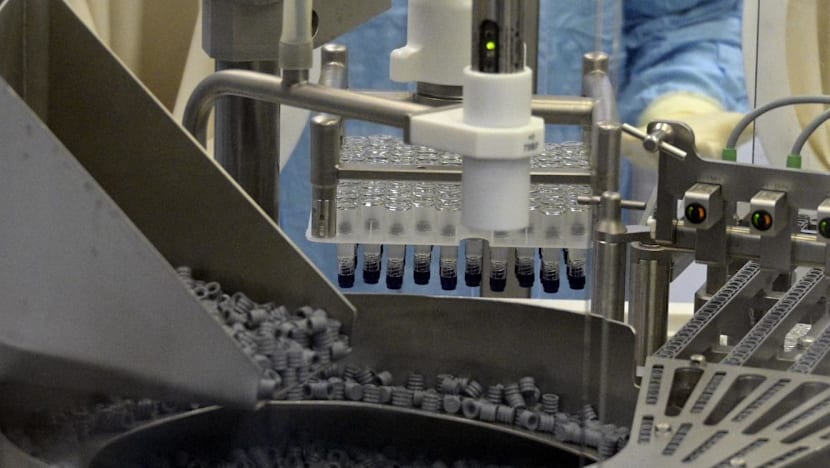
Malaysia targets 2028 to produce its first human vaccine to cut import reliance
Summarized and contextualized by DistantNews.
At a glance
News
Named sources
New plan
- Malaysia aims to produce its first human vaccine by 2028 to reduce reliance on imports.
- The initial vaccine will be the 13-valent pneumococcal conjugate vaccine (PCV13), developed through technology transfer with a Chinese company.
- This initiative aims to bolster the country's preparedness for future health crises, following lessons learned from the COVID-19 pandemic.
Malaysia is setting an ambitious target to produce its first human vaccine by 2028, a strategic move aimed at significantly reducing the nation's dependence on imported vaccines. The country currently relies on vaccines from various international suppliers, incurring substantial costs.
The initial focus will be on the 13-valent pneumococcal conjugate vaccine, known as PCV13. This vaccine protects against 13 strains of Streptococcus pneumoniae bacteria, preventing severe illnesses such as pneumonia, meningitis, and sepsis. The production will be facilitated through technology transfer with an unnamed Chinese company, with local manufacturing handled by Malaysian pharmaceutical firm Pharmaniaga Bhd.
According to Malaysia's Science, Technology and Innovation Minister, Chang Lih Kang, this initiative is crucial for enhancing the country's resilience against future health emergencies. The COVID-19 pandemic underscored the risks associated with lacking domestic capabilities for producing essential medical technologies like vaccines.
Malaysia spent approximately US$275.4 million on human vaccine imports in 2022. The government's long-term goal is to achieve local vaccine development by 2030, but the accelerated target of 2028 reflects a strong commitment to self-sufficiency. Beyond PCV13, Malaysia is also exploring the development of a hexavalent vaccine for children, which combines six essential immunizations into a single dose.
The move was to increase the country’s preparedness for future health crises and that the Covid-19 pandemic had shown them the risk of not having domestic capability of essential technologies like vaccines.
DistantNews Editorial
Originally published by CNA. Summarized and contextualized by our editorial team with added local perspective. Read our editorial standards.
More Stories



From Our Blog

What Gets Lost (and Found) When News Is Translated

The Critical Role of Diaspora Media in Global News

What Travellers Should Know About Countries with Restricted Press

A Digital Nomad's Guide to Following Local News

How the Same Story Looks Different in Different Countries
