


Malaysia urges ASEAN nations to act as haze pushes pollution readings to unhealthy levels
Summarized and contextualized by DistantNews.
At a glance
News
Named sources
Context piece
- Malaysia has urged ASEAN nations to enhance haze prevention and preparedness measures as dry weather drives air quality to unhealthy levels.
- Minister Arthur Joseph Kurup emphasized commitment to a haze-free ASEAN by 2030, noting 11 areas in Sarawak and Melaka have unhealthy Air Pollutant Index (API) readings.
- Prolonged dry conditions and the potential strengthening of El Nino are increasing the risk of transboundary haze, requiring collective regional vigilance and action.
Malaysia is calling on its ASEAN neighbors to bolster preventive measures and preparedness against transboundary haze, as dry weather conditions are pushing air quality to unhealthy levels across parts of the country.
Natural Resources and Environmental Sustainability Minister Arthur Joseph Kurup stated that Malaysia remains dedicated to the regional goal of achieving a haze-free ASEAN by 2030. He conveyed this commitment to ASEAN Secretary-General Kao Kim Hourn on August 21.
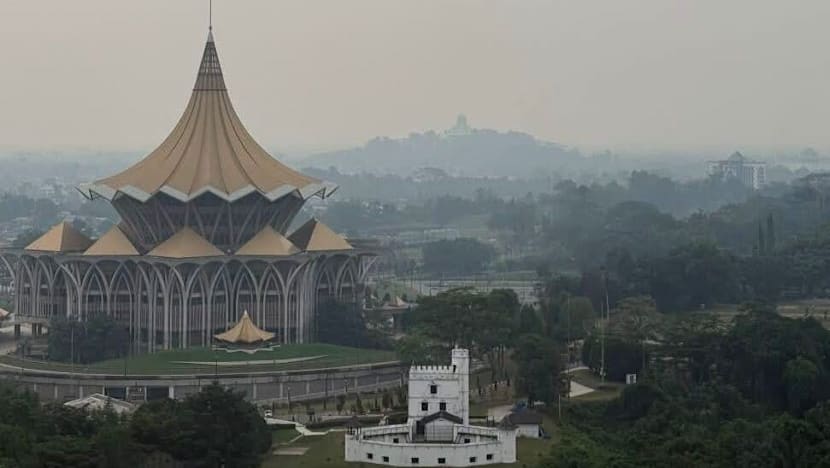
The appeal comes as 11 areas in Sarawak and Melaka recorded unhealthy Air Pollutant Index (API) readings on August 22. Serian in Sarawak registered the highest API at 190, with other locations like Kuching (181) and Melaka's Bukit Rambai (140) also exceeding safe limits. These readings are attributed to prolonged dry weather in the southern ASEAN region, which has led to an increase in hotspots and haze.
Kurup warned that the situation could escalate as the El Nino phenomenon is expected to intensify in the coming months. He stressed that while fires are currently contained within national borders, the risk of transboundary haze necessitates collective preparedness and heightened vigilance at the regional level. He urged ASEAN member states to intensify hotspot surveillance, enforce open burning restrictions, and ensure efficient firefighting readiness.
Currently, 57 areas in Malaysia show moderate API readings, with no areas reporting good air quality. Malaysia also acknowledged the ASEAN Secretariat's role as the Interim ASEAN Coordinating Centre for Transboundary Haze Pollution Control in facilitating information sharing and cooperation under the ASEAN Agreement on Transboundary Haze Pollution.
Although fires are currently still under control within the respective borders of ASEAN member states, the risk of transboundary haze requires collective preparedness and heightened vigilance at the regional level
DistantNews Editorial
Originally published by The Straits Times. Summarized and contextualized by our editorial team with added local perspective. Read our editorial standards.
More Stories

From Our Blog

What Gets Lost (and Found) When News Is Translated

The Critical Role of Diaspora Media in Global News

What Travellers Should Know About Countries with Restricted Press

A Digital Nomad's Guide to Following Local News

How the Same Story Looks Different in Different Countries
