

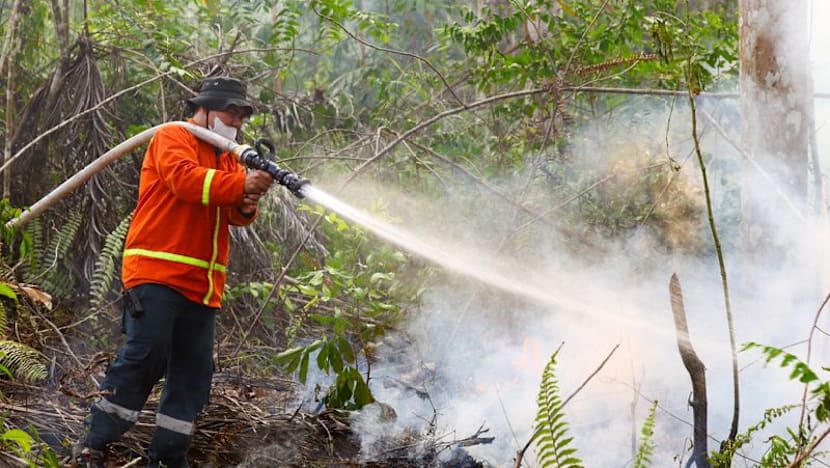

Malaysian farmers feel the heat as vegetables and fruit wilt
Translated from English and summarized by DistantNews. Read the original for the full story.
At a glance
News
Named sources
Ongoing story
- Malaysia’s vegetable and fruit farmers expect lower harvests and profits as hot, dry conditions cause crops to wilt.
- Farmers are increasing irrigation and using shade nets, but higher costs for water, electricity, diesel and labor are adding to pressure.
- Farmer groups are seeking government support for irrigation and water storage as the hot spell coincides with the southwest monsoon and possible stronger El Niño conditions.
Malaysia’s hot spell is forcing vegetable and fruit farmers to water their fields more often, raising costs as crops wilt under the heat.
Farmers are watering early in the morning and late in the afternoon, installing shade nets and adjusting their practices to reduce heat stress. Lim Ser Kwee, president of the Federation of Vegetable Farmers Associations Malaysia, said the measures were increasing spending on water, electricity, diesel and labor.
Without enough water, farmers may have no choice but to reduce planting or risk losing their crops
Water availability is also becoming a concern. Lim said farmers without enough water may have to reduce planting or risk losing their crops. He urged the government to help with irrigation and water storage, or to ease electricity and diesel costs, warning that domestic vegetable production is directly tied to Malaysia’s food security.
Domestic vegetable production is directly linked to Malaysia’s food security
Fruit growers are also irrigating more frequently, particularly younger trees, and watering in the morning or evening to limit evaporation. Nicholas Chong, vice-president of the Fruit Farmers Association, said growers with ponds or storage facilities were better prepared than those relying on the normal water supply.
The concern, Chong said, is whether water supplies can last if the hot spell continues. A prolonged dry period could stress trees, disrupt flowering and fruit development, and reduce profits. The hot and dry conditions coincide with the southwest monsoon, which generally brings less rain from late May to September. The situation could worsen if a super El Niño arrives by the end of 2026.
The main concern is not about having enough water, but whether the supply can last if the hot spell continues
About this summary
Originally published by The Straits Times in English. Translated, summarized, and contextualized automatically by DistantNews, with a note on how the source frames the story. Not individually reviewed before publishing. How this works.
More Stories

From Our Blog

News in Translation: What Gets Lost, and How We Keep the Framing

Diaspora Media: How Communities Follow News From Home

Traveling Where the Press Is Not Free: How to Read the News There

The Digital Nomad's Guide to Local News

The Same Story, Different Countries: How Coverage Changes at the Border
