


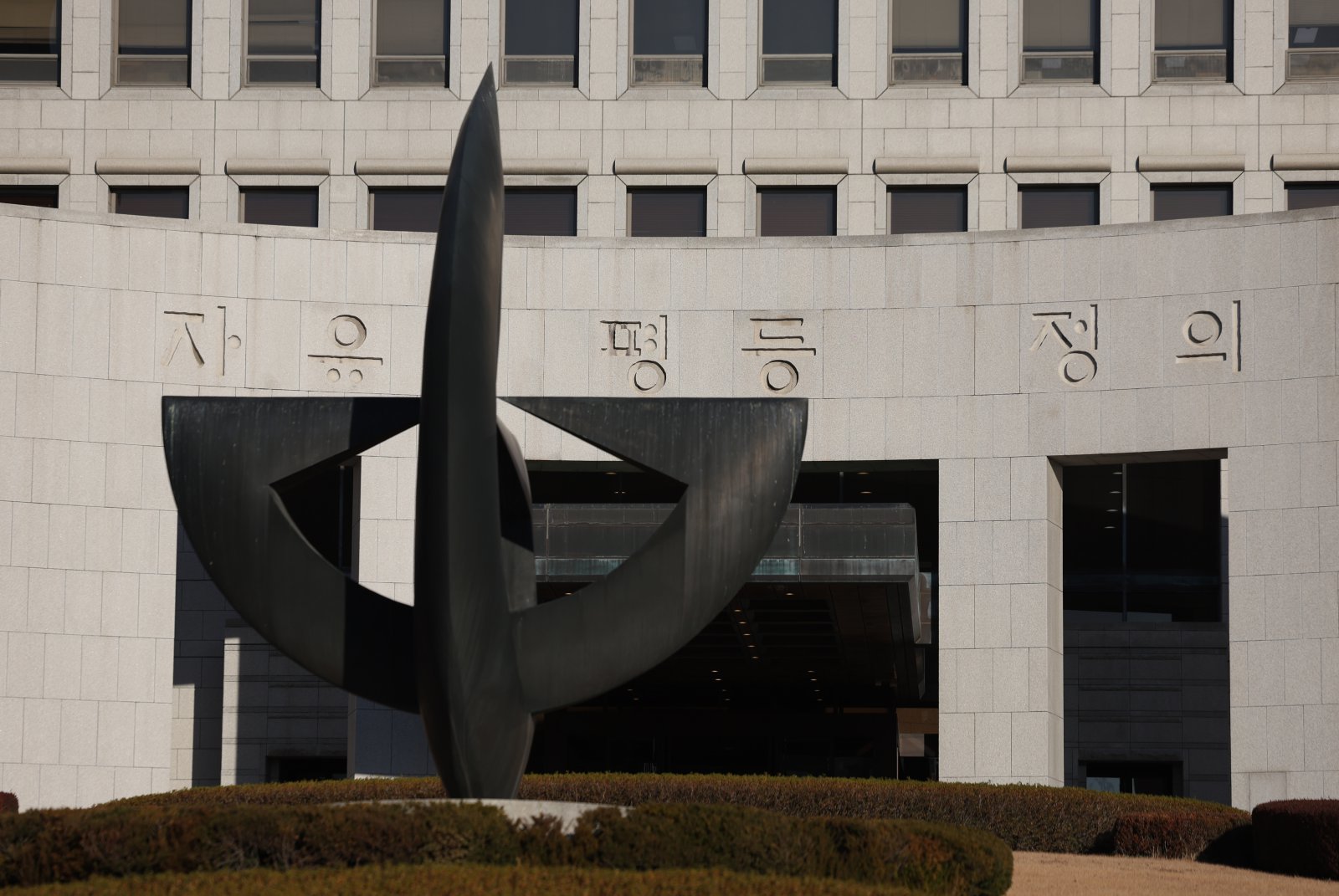
Man Sentenced to 15 Years for Killing Father While Caregiving
Translated from Korean, summarized and contextualized by DistantNews.
At a glance
News
Named sources
Outcome reported
- A man in his 50s has been sentenced to 15 years in prison for killing his father.
- The court found the son guilty of patricide, ruling that he had the intent to kill, even if the act was impulsive.
- The appeals court reduced the sentence from 20 years, citing the son's long period of caregiving and the impulsive nature of the crime.
A South Korean man in his 50s has received a 15-year prison sentence for killing his father, a crime the court has classified as patricide. The Supreme Court upheld the appellate court's decision, confirming the sentence for the man identified as 'A'.
The court found that 'A' could be recognized as having had at least a conditional intent to kill, acknowledging the possibility or risk that the victim could die as a result of his actions.
The incident occurred in August 2025 when 'A', while intoxicated, repeatedly struck his 80-year-old father, who suffered from dementia and hearing loss, with his fists and a fan. The prosecution alleged that 'A' had been subjected to verbal abuse and physical assault by his father for perceived slights. The fatal assault was reportedly triggered by a moment of anger while intoxicated.
Initially, the first trial court sentenced 'A' to 20 years, citing the brutality of the crime. However, the court also considered mitigating factors such as the defendant's remorse, lack of prior criminal record, and a diagnosis of severe depression. 'A' appealed, arguing that the act was impulsive, driven by the physical and mental strain of long-term caregiving, and that he lacked the intent to kill.
'A' committed the crime impulsively while exhausted from long-term caregiving for his father.
The appellate court acknowledged the possibility of 'A' having had at least a conditional intent to kill, recognizing the potential for death resulting from his actions. Nevertheless, the court reduced the sentence to 15 years, taking into account the prolonged burden of caregiving and the impulsive nature of the offense. The appellate court also noted that 'A's elder brother had petitioned for leniency, which was considered in the sentencing.
The elder brother of 'A' petitioned for leniency.
DistantNews Editorial
Originally published by Dong-A Ilbo in Korean. Translated, summarized, and contextualized by our editorial team with added local perspective. Read our editorial standards.
More Stories



From Our Blog

What Gets Lost (and Found) When News Is Translated

The Critical Role of Diaspora Media in Global News

What Travellers Should Know About Countries with Restricted Press

A Digital Nomad's Guide to Following Local News

How the Same Story Looks Different in Different Countries
