


Man Sentenced to Six Years for Arson Injuring 20 in Incheon
Translated from Korean, summarized and contextualized by DistantNews.
At a glance
News
Named sources
Outcome reported
- A 40-year-old man received a six-year prison sentence for setting fires that injured 20 people in Incheon.
- The fires, started with a newly purchased lighter, spread toxic gases within a villa and damaged a truck.
- The court rejected the defendant's claim of diminished capacity due to schizophrenia, citing evidence of his actions and lack of remorse.
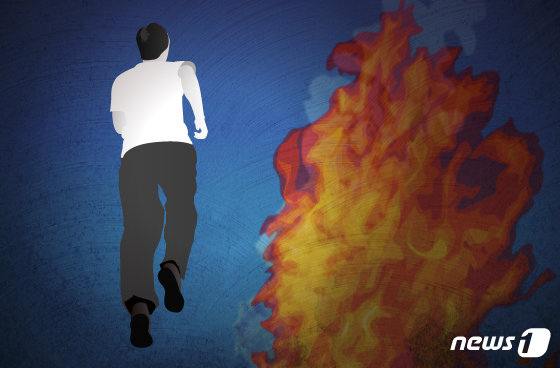
A 40-year-old man has been sentenced to six years in prison for intentionally setting fires that injured 20 residents in Incheon, South Korea. The court found the defendant, identified as Mr. A, guilty of arson causing injury and general vehicle arson.
I wanted to try lighting it with a new lighter I bought.
The incidents occurred on March 21st when Mr. A set fire to a bicycle and other items stored in a villa complex. The blaze quickly spread toxic gases inside the building, leading to the injuries of 20 residents. He also set fire to trash piled on a nearby road and in the cargo area of a 1-ton truck, causing damage to the vehicle.
During the investigation, Mr. A claimed he set the fires because he wanted to try out a new lighter. He also argued that he committed the acts while in a state of diminished mental capacity due to schizophrenia, presenting this in his written apologies. However, investigators noted CCTV footage showing him fanning the flames on the truck and wearing a mask to conceal his identity after the fires.
The defendant had no particular problems when he took his medication normally, and his symptoms were likely somewhat calmed as he took 'hallucinogenic medication' the day before the incident.
The court acknowledged that while Mr. A had a history of employment and was reportedly stable when taking his medication, the evidence suggested his symptoms were somewhat managed prior to the incident. The judges emphasized the severe potential harm had the fires spread further, noting his lack of effort towards restitution. While his admission of guilt and apparent remorse were considered, they were weighed against the gravity of his actions in determining the sentence.
Even though the fire could have led to irreversible serious damage, he did not make efforts to recover the damage.
DistantNews Editorial
Originally published by Dong-A Ilbo in Korean. Translated, summarized, and contextualized by our editorial team with added local perspective. Read our editorial standards.
More Stories


From Our Blog

What Gets Lost (and Found) When News Is Translated

The Critical Role of Diaspora Media in Global News

What Travellers Should Know About Countries with Restricted Press

A Digital Nomad's Guide to Following Local News

How the Same Story Looks Different in Different Countries
