


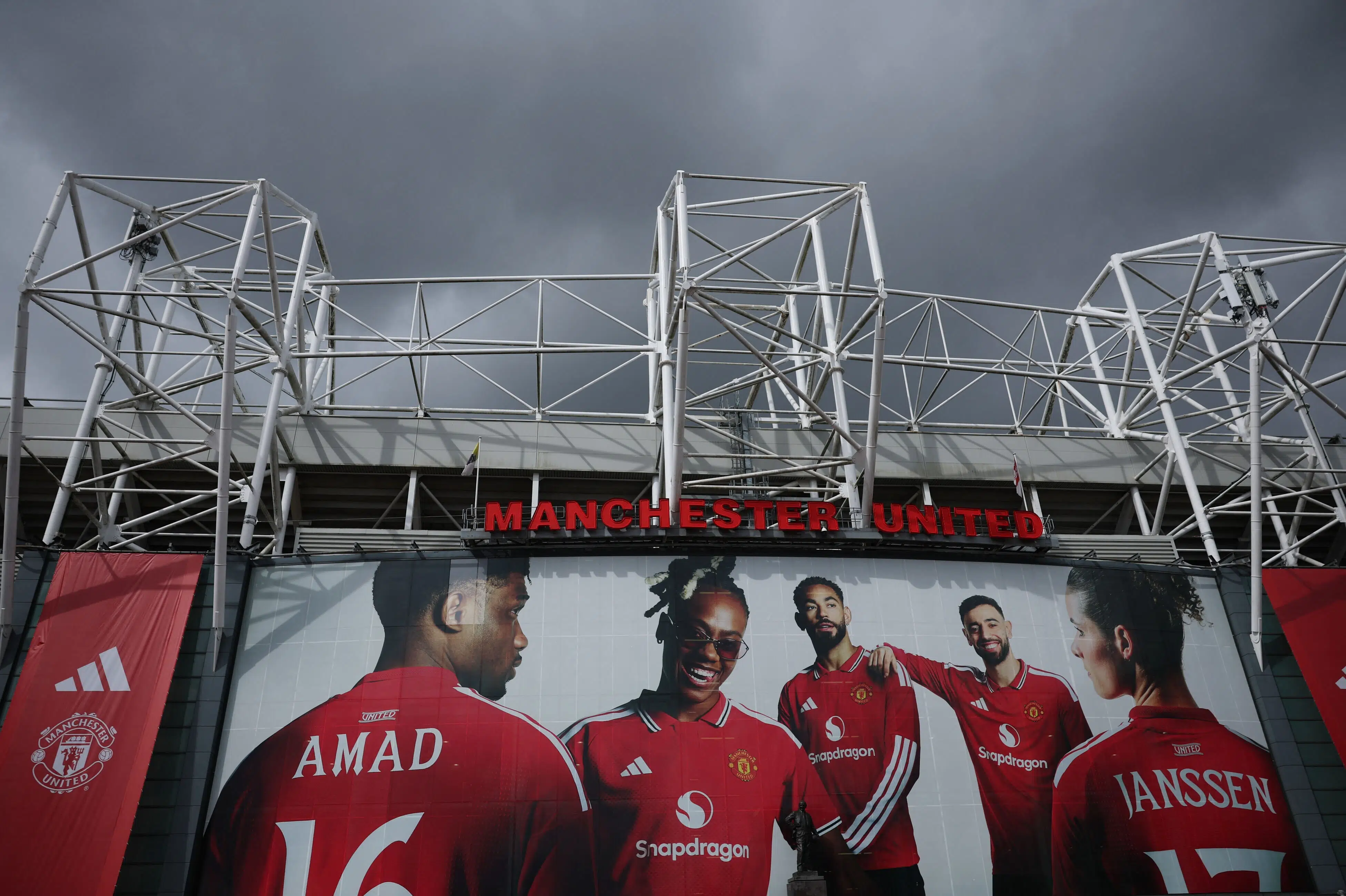
Manchester United moves closer to building England's largest stadium
Translated from Danish, summarized and contextualized by DistantNews.
At a glance
News
From a news agency
New plan
- Manchester United has acquired a 10-hectare plot of land near Old Trafford for a new stadium.
- The new stadium is planned to have a capacity of 100,000 spectators and is a significant step towards building England's largest sports arena.
- Construction is estimated to cost 17 billion Danish kroner, with completion expected around 2032.
Manchester United is one step closer to building England's largest stadium after securing the majority of the land needed for a new 100,000-capacity arena. The club announced Monday that it had purchased a 10-hectare site just 350 meters from its current home, Old Trafford.
This acquisition marks a major advancement in the club's ambitious stadium project. Collette Roche, the chief executive overseeing the stadium's construction, called the land purchase a milestone. "Being able to build so close to Old Trafford allows us to retain the heritage, traditions and rituals that are so important to our fans," Roche stated.
Being able to build so close to Old Trafford allows us to retain the heritage, traditions and rituals that are so important to our fans.
Roche emphasized the critical nature of acquiring the right land. "It has been absolutely crucial to secure the right site for our new home, and the land we have acquired provides us with the stage to deliver a world-class stadium that honors our past and is ready for our future," she added.
The new stadium is projected to cost 17 billion Danish kroner. While the club initially hoped for a 2030 completion, recent reports suggest it may not be ready until 2032 at the earliest. Old Trafford, which has been Manchester United's home for 115 years, currently seats just under 75,000 spectators.
It has been absolutely crucial to secure the right site for our new home, and the land we have acquired provides us with the stage to deliver a world-class stadium that honors our past and is ready for our future.
DistantNews Editorial
Originally published by Berlingske in Danish. Translated, summarized, and contextualized by our editorial team with added local perspective. Read our editorial standards.
More Stories



From Our Blog

What Gets Lost (and Found) When News Is Translated

The Critical Role of Diaspora Media in Global News

What Travellers Should Know About Countries with Restricted Press

A Digital Nomad's Guide to Following Local News

How the Same Story Looks Different in Different Countries
