


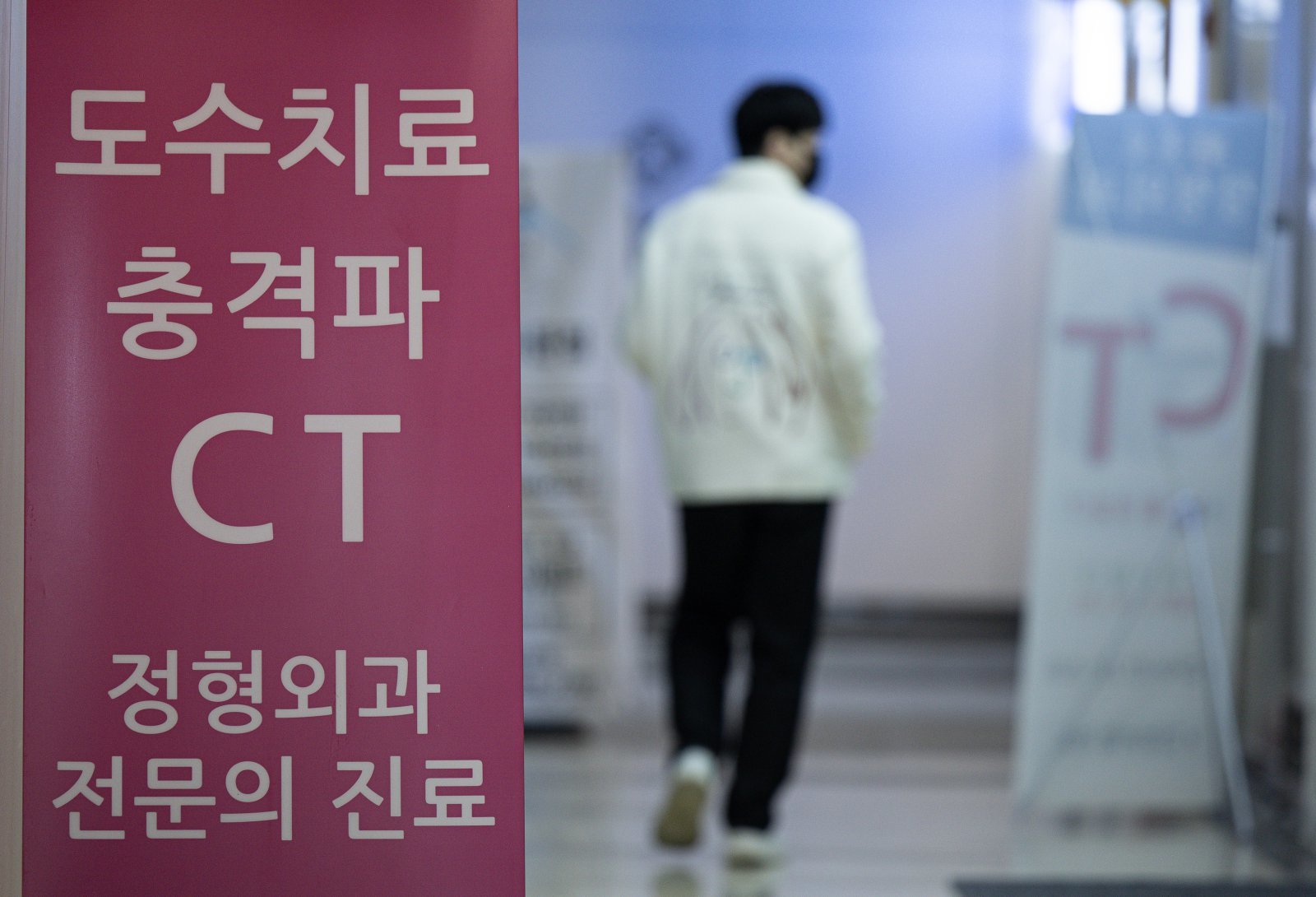
Manual Therapy Coverage Sparks Surge in Non-Covered Treatments, Insurance Costs Soar
Translated from Korean, summarized and contextualized by DistantNews.
At a glance
News
Sources not specified
Ongoing story
- Insurance claims for extracorporeal shockwave therapy (ESWT) have surged by over 300% since manual therapy was included in national health insurance.
- Insurers worry this trend, similar to past issues with manual therapy, could lead to significant financial losses.
- Medical associations are protesting the new insurance coverage for manual therapy, with legal challenges underway.
Insurance claims for extracorporeal shockwave therapy (ESWT) have more than tripled since manual therapy was integrated into national health insurance coverage. Insurers are concerned that this "balloon effect," where patients are shifted to non-covered treatments, mirrors past issues with manual therapy and could lead to substantial payouts.
In early August, seven major non-life insurance companies reported an average daily ESWT claim amount of 345 million won, a threefold increase from 113 million won in early June. The number of claims rose by 73.2%, and the average claim amount per case increased by 77.0%. ESWT involves repeatedly applying a cooling spray to muscles after stretching them, a technique listed as non-covered since 2005 due to insufficient evidence for its efficacy.
Insurers believe the surge in ESWT claims is a direct result of manual therapy's price cap under the new coverage. They suspect clinics are combining capped manual therapy with non-covered ESWT to compensate for lost revenue. This practice of combining covered and non-covered treatments has long been a concern. In the first quarter of this year, non-covered injection treatments alone cost major insurers 361 billion won, a 23.7% increase year-on-year.
Other treatments like Hyaluronidase injections, known as "HA injections," also saw a significant rise in claims, increasing by 31.1% to 43.5 billion won last year. The majority of these claims, 96%, came from clinics and hospitals. Extracorporeal shockwave therapy also saw a 20.9% increase in average cost per case, though the number of claims decreased following new guidelines limiting treatment frequency and scope.
An industry official warned that if this "balloon effect" continues, ESWT could become "the second manual therapy," causing further leakage in insurance funds. Meanwhile, the medical community continues to protest the new manual therapy coverage, with the Korean Medical Association preparing a constitutional appeal and the Seoul Medical Association already filing one against the enforcement decree. The medical community demands the withdrawal of the coverage.
This balloon effect of coverage for manual therapy is causing demand to shift to other non-covered items. We must closely monitor the phenomenon of demand moving to similar non-covered items after the introduction of coverage and strengthen on-site inspections and administrative measures for medical institutions suspected of fraudulent or disguised claims.
DistantNews Editorial
Originally published by Dong-A Ilbo in Korean. Translated, summarized, and contextualized by our editorial team with added local perspective. Read our editorial standards.
More Stories



From Our Blog

What Gets Lost (and Found) When News Is Translated

The Critical Role of Diaspora Media in Global News

What Travellers Should Know About Countries with Restricted Press

A Digital Nomad's Guide to Following Local News

How the Same Story Looks Different in Different Countries
