


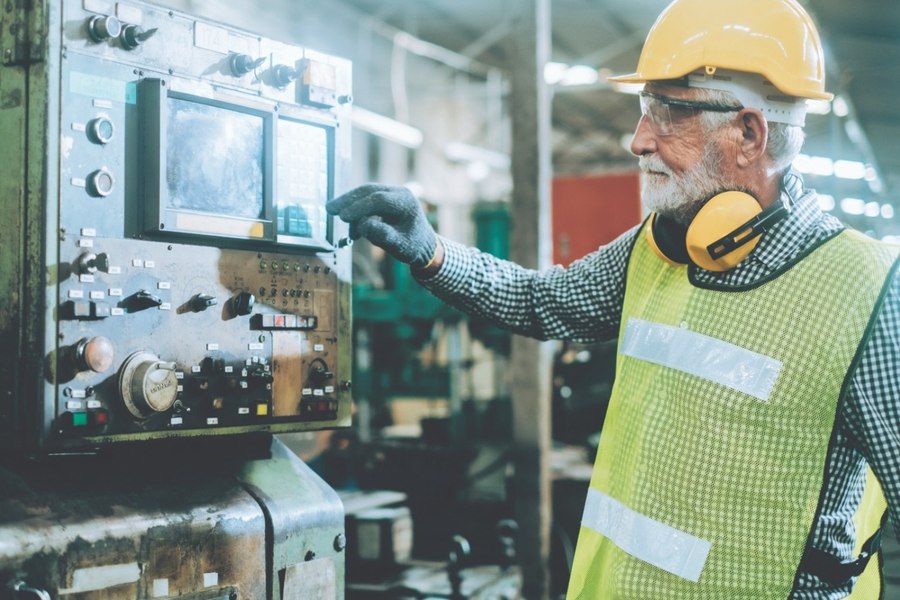
Many Romanian pensioners continue working due to insufficient income
Translated from Romanian, summarized and contextualized by DistantNews.
At a glance
In-depth
Documents & data
Context piece
- Over half of Romanian pensioners who continue to work cite insufficient pension income as their primary reason.
- Romania has one of the lowest percentages of working pensioners in the EU, but financial necessity drives most of them.
- European pensioners generally receive significantly lower incomes than their previous earnings, increasing poverty risk.
Many Romanians who have worked for decades find themselves in a paradoxical situation upon reaching retirement age: despite a full career, a portion cannot afford to stop working. Pensions, intended as replacement income after professional activity ceases, are often insufficient to cover daily expenses, compelling many retirees to supplement their earnings by continuing to work.
Eurostat data reveals that among Romanian pensioners who choose to remain employed, 54.3% state financial necessity as their main motivation. This places Romania among European countries where economic pressure is a significant factor compelling pensioners to stay in the labor market. The phenomenon highlights how pension levels are low relative to the erosion of purchasing power caused by inflation, which has diminished many pensioners' capacity to meet essential costs.
Across the European Union, approximately 12.9% of individuals who received their first old-age pension continued to work in the six months following retirement, according to the latest available Eurostat data. However, there are substantial variations among member states. The proportion of those remaining active ranges from 1.7% in Romania to 54.9% in Estonia. Estonia, Latvia, Lithuania, and Sweden have the highest rates of working pensioners, while Romania, Greece, Spain, and Croatia have the lowest.
While Romania's low percentage might suggest a smaller issue, the analysis of reasons indicates that the majority of the few Romanian pensioners who continue to work do so out of financial need. In contrast, across the EU, the primary reason cited for continuing work is the pleasure of working or the desire for social engagement (36.3%), with financial necessity being the second most important reason (28.6%). In Romania, this dynamic is reversed, with 54.3% of working pensioners citing financial need, a proportion similar to Bulgaria's 53.6%. Generally, pension incomes are lower than final career earnings, with EU pensioners receiving, on average, about 58% of their previous income, increasing the risk of poverty for nearly one in six pensioners.
DistantNews Editorial
Originally published by Adevărul in Romanian. Translated, summarized, and contextualized by our editorial team with added local perspective. Read our editorial standards.
More Stories



From Our Blog

What Gets Lost (and Found) When News Is Translated

The Critical Role of Diaspora Media in Global News

What Travellers Should Know About Countries with Restricted Press

A Digital Nomad's Guide to Following Local News

How the Same Story Looks Different in Different Countries
