

Markets Cheer U.S.-Iran Deal, But Analysts See Elevated Prices Lingering
Translated from English, summarized and contextualized by DistantNews.
At a glance
News
Named sources
New plan
- Global markets reacted positively to the U.S. and Iran peace deal, with stocks and bonds rallying and the dollar weakening.
- Analysts suggest the market reaction was largely anticipated, with potential for further gains in risk currencies like the Australian dollar and yen.
- While the reopening of the Strait of Hormuz is seen as positive, experts predict energy prices and traffic normalization will take months, not weeks.
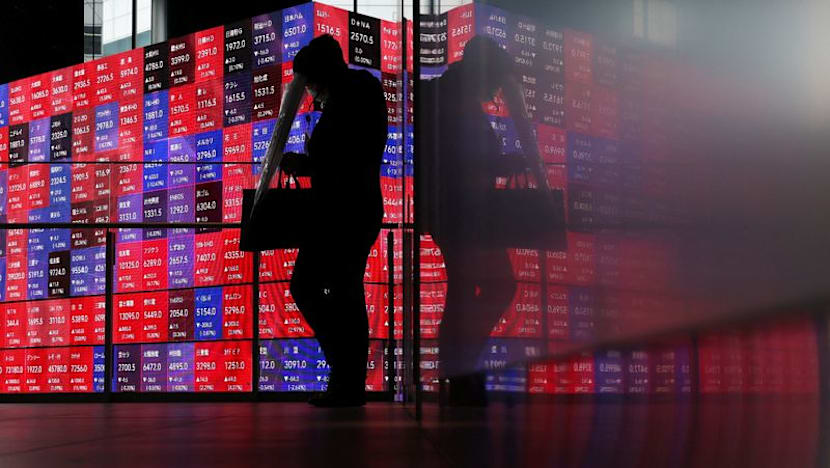
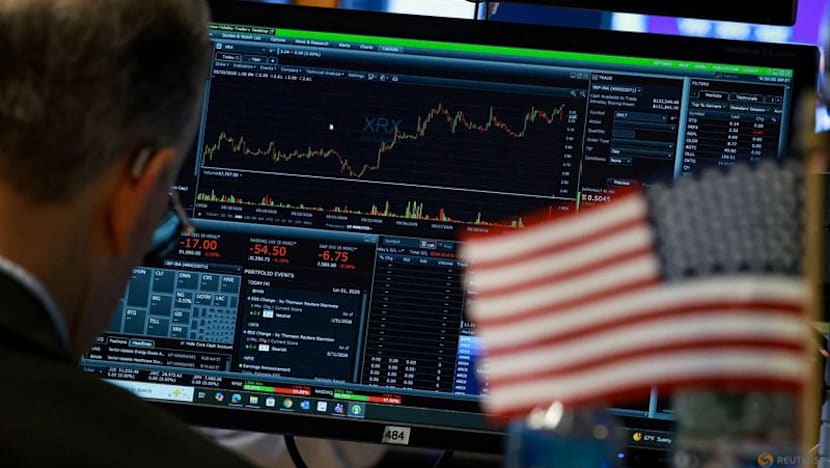
Asian markets surged on Monday as investors reacted favorably to the news of a peace deal between the U.S. and Iran, which includes the reopening of the Strait of Hormuz and the lifting of a U.S. blockade on Iran. U.S. crude futures saw a significant drop of over 4 percent, while S&P 500 futures rose approximately 0.8 percent. The U.S. dollar weakened broadly against other currencies, with the yen reaching 159.7 per dollar and the euro climbing to $1.1616.
This has been well anticipated, that's why I think the market reaction can be pretty well contained. What you see on your screens today - we're probably most of the way there now.
Market strategists noted that the positive market reaction was largely anticipated, with much of the expected impact already priced in. Jason Wong, Senior Markets Strategist at BNZ in Wellington, commented that the market reaction was "pretty well contained" and that the focus would now shift back to broader macroeconomic forces. He added, "It's a good sign, hopefully we can put this behind us and focus on macro-economic forces...the market will assume things will gradually return to normal. It's no longer a risk overhanging the market."
It's a good sign, hopefully we can put this behind us and focus on macro-economic forces...the market will assume things will gradually return to normal. It's no longer a risk overhanging the market.
While the immediate outlook is positive, analysts caution that a full return to normal for oil flows and market stability will require time. Nick Twidale, Chief Market Strategist at ATFX Global in Sydney, predicted a continued fall in the dollar and a rise in risk currencies but emphasized that "any huge moves" are unlikely. He stressed the need to monitor the speed at which the Strait reopens and oil flow normalizes, stating, "It's certainly going to be months rather than weeks."
I think we'll see the dollar fall over the course of the next few sessions. We'll probably see some of the risk currencies like Aussie and yen appreciate a little bit. But I don't think we're going to see any huge moves.
Kristina Clifton, Senior Currency Strategist at Commonwealth Bank of Australia in Sydney, echoed this sentiment, calling the reopening of the Strait of Hormuz "good news for the global economy." However, she noted that energy prices are unlikely to return to pre-conflict levels for a considerable time. Mahjabeen Zaman, Head of FX Research at ANZ in Sydney, also pointed out that while the immediate news is positive, infrastructure damage may keep oil prices elevated. Chris Weston, Head of Research at Pepperstone in Melbourne, believes the deal is credible enough for markets to react but highlighted the need to assess the ramp-up of cargo and logistics through the channel, considering potential structural changes and refinery damage.
There's going to be a lot of wait and see, on how quickly the Strait really reopens and how long it's going to take for oil flow to really get back to normal. It's certainly going to be months rather than weeks.
DistantNews Editorial
Originally published by CNA in English. Translated, summarized, and contextualized by our editorial team with added local perspective. Read our editorial standards.
More Stories


From Our Blog

What Gets Lost (and Found) When News Is Translated

The Critical Role of Diaspora Media in Global News

What Travellers Should Know About Countries with Restricted Press

A Digital Nomad's Guide to Following Local News

How the Same Story Looks Different in Different Countries
