


Massive data center buildout poses latest inflation threat for consumers
Summarized and contextualized by DistantNews.
At a glance
News
From a news agency
Context piece
- Massive investment in data centers for artificial intelligence is driving up costs for computer chips and electricity.
- This surge in spending, projected to exceed $700 billion this year, is expected to contribute to inflation.
- The Federal Reserve may consider raising interest rates to combat rising prices, impacting borrowing costs for consumers and businesses.
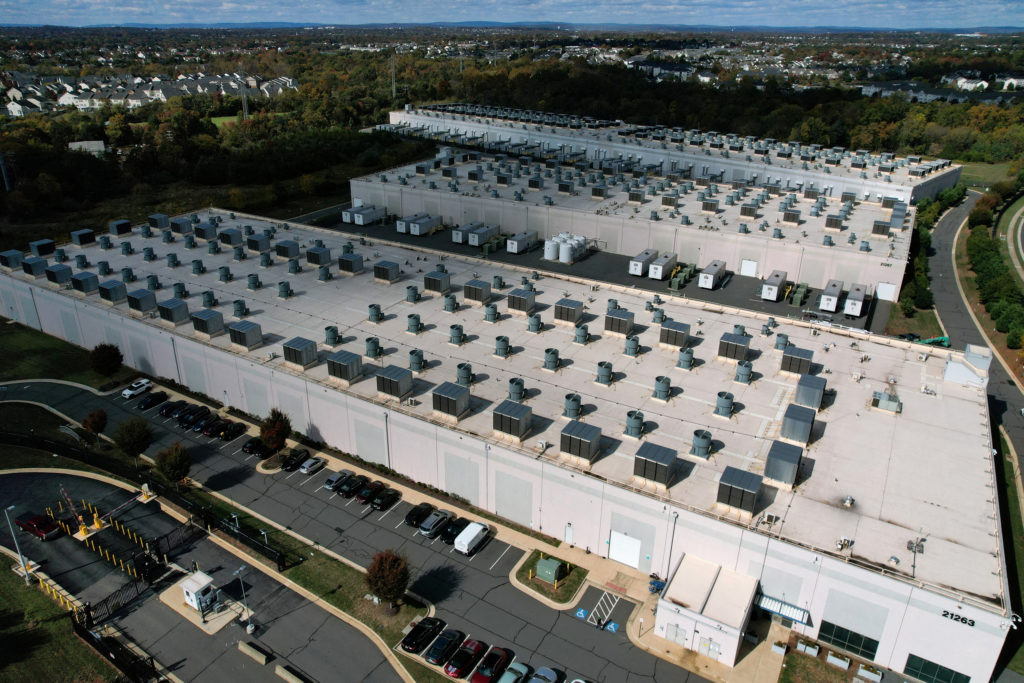
American consumers face a new inflation threat as massive investments in data centers for artificial intelligence push up prices. The surge in spending, expected to top $700 billion this year, is making essential components like memory chips and processors more expensive. Economists predict this trend will continue to fuel inflation at least through the end of 2024.
The rapid expansion of AI data centers has created an extraordinary surge in demand for memory and storage.
While not as dramatic as the inflation peak seen in 2021-2023, the significant spending on AI is likely to keep prices rising faster than the Federal Reserve desires. This could prompt the central bank to increase its key interest rate later this year to curb spending and control inflation. Higher Fed rates typically lead to increased borrowing costs for car loans, mortgages, and business loans.
We have never seen a component price increase this much, this quickly.
Major tech companies like Google, Amazon, Meta, and Microsoft are leading this investment, primarily in data centers that require vast amounts of semiconductors. Low chip supplies have exacerbated the issue, with some memory chip costs potentially soaring by as much as 400% by year's end, according to JPMorgan Chase economists. Consumers are already experiencing higher prices for electronics such as laptops, smartphones, and gaming consoles.
The price of its Xbox video game console will increase $100 by Aug. 1, citing higher prices for memory chips.
Electricity prices are also climbing as data centers consume a growing portion of new power capacity. Apple recently announced price increases of 15% to 25% for laptops and iPads, and Microsoft is raising the price of its Xbox console by $100. Analysts warn that these AI-related cost pressures are just beginning to impact consumer prices, marking the latest in a series of inflationary waves.
A wave of AI-related cost pressures spilling over into consumer prices is still in the early stages of building.
DistantNews Editorial
Originally published by PBS NewsHour. Summarized and contextualized by our editorial team with added local perspective. Read our editorial standards.
More Stories


From Our Blog

How the Same Story Looks Different in Different Countries

What Gets Lost (and Found) When News Is Translated

The Critical Role of Diaspora Media in Global News

What Travellers Should Know About Countries with Restricted Press

A Digital Nomad's Guide to Following Local News
