


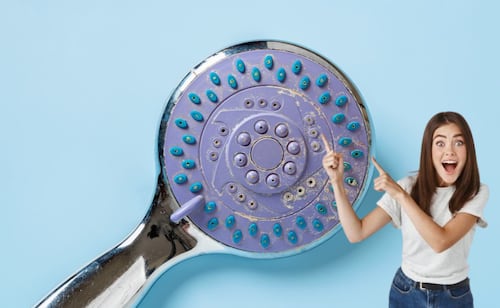
Maximum pressure: The foolproof guide to removing limescale from your shower and improving water flow
Translated from Spanish, summarized and contextualized by DistantNews.
At a glance
Explainer
Documents & data
Context piece
- Gradual loss of shower pressure is often caused by mineral buildup, primarily calcium and magnesium, clogging the water outlets.
- White vinegar is recommended as an effective and safe natural solution to dissolve these mineral deposits, avoiding harsh chemicals.
- A systematic cleaning method involving disassembly, prolonged soaking in vinegar, and scrubbing is suggested to restore optimal water flow.
A common household annoyance, the gradual decrease in shower pressure, can significantly impact the daily routine. This issue typically arises from the accumulation of minerals, predominantly calcium and magnesium, found in tap water. These minerals solidify over time, obstructing the small water outlets in showerheads.
According to technical specifications from Fresh Water Systems, a specialized international platform for water treatment, this mineral buildup, commonly known as limescale or 'sarro,' not only affects the shower's appearance but also its functionality. Engineering reports from the water services company Aguakan indicate that a consistent flow of mineral-rich water progressively narrows the internal diameter of the showerhead nozzles. This restriction increases internal resistance, leading to longer shower times and considerable water wastage.
Fortunately, a cost-effective and environmentally friendly solution exists. White vinegar, with its moderate concentration of acetic acid, acts as an ideal solvent for dissolving calcium carbonate, the primary component of limescale. This natural remedy offers a safe alternative to commercial cleaning agents, which can be corrosive, damage fixtures, and release harmful fumes in enclosed spaces.
To effectively restore water flow, a systematic cleaning approach is recommended. If the showerhead can be unscrewed, carefully, using a wrench protected by a cloth to prevent scratches, it should be removed. The showerhead can then be fully submerged in pure white vinegar for at least two to three hours, or preferably overnight for severe cases, to allow the vinegar to break down the mineral deposits. Afterward, a soft brush or a wooden toothpick can be used to mechanically remove any remaining residue from the nozzles.
DistantNews Editorial
Originally published by El Universal in Spanish. Translated, summarized, and contextualized by our editorial team with added local perspective. Read our editorial standards.
More Stories



From Our Blog

What Press Freedom Means for the News You Read

What Gets Lost (and Found) When News Is Translated

The Critical Role of Diaspora Media in Global News

What Travellers Should Know About Countries with Restricted Press

A Digital Nomad's Guide to Following Local News
