


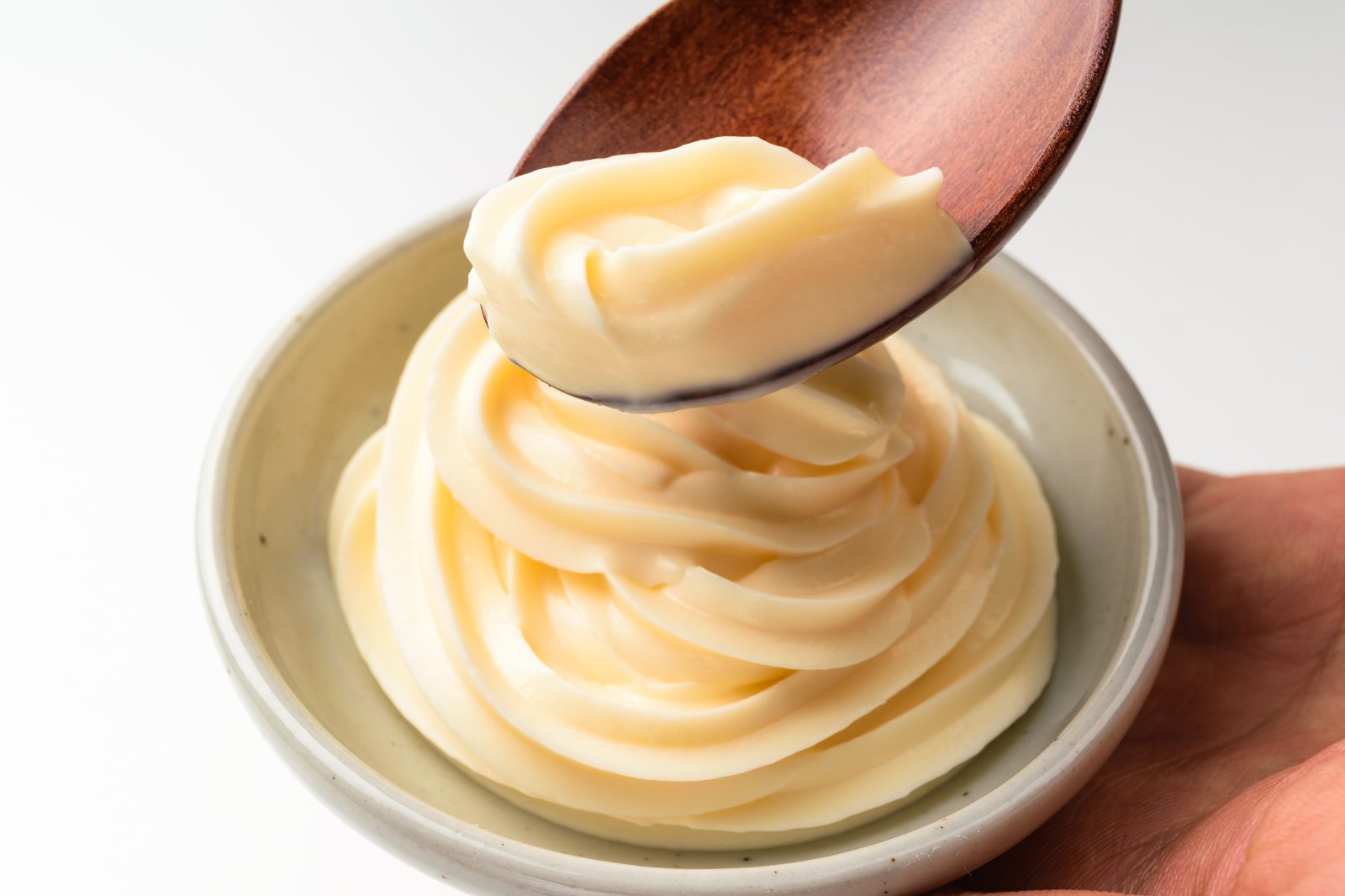
Mayonnaise Not the Villain? The Truth About Mayonnaise for a Healthy Diet
Translated from Korean, summarized and contextualized by DistantNews.
At a glance
News
Sources not specified
Context piece
- Mayonnaise is often misunderstood as an unhealthy food due to its high calorie and cholesterol content.
- Experts advise that mayonnaise can be part of a balanced diet when consumed in moderation and its nutritional benefits are understood.
- The unsaturated fats in mayonnaise's oil can aid the absorption of fat-soluble vitamins from vegetables.
Mayonnaise frequently faces criticism for its high calorie and cholesterol counts, leading to its reputation as an unhealthy food. However, nutritionists suggest this perception is often a misunderstanding.
Mayonnaise is often misunderstood, but it is not inherently a bad food.
Nutritionist Sophie Medlin stated that mayonnaise is "not inherently a bad food." She explained that it can contribute to making meals like tuna mayonnaise sandwiches or salads more balanced. The key lies in understanding its ingredients and consuming it appropriately.
It can help make a salad or sandwich a more balanced meal.
The nutritional advantages of mayonnaise stem from the unsaturated fats present in its oil base. These fats play a crucial role in helping the body absorb fat-soluble vitamins, such as A, D, E, and K, found in vegetables. Medlin emphasized that replacing saturated fats with unsaturated fats is a significant recommendation for heart health, a view supported by organizations like the UK's National Health Service and the British Heart Foundation.
Replacing saturated fats with unsaturated fats is the best advice for heart health.
DistantNews Editorial
Originally published by Dong-A Ilbo in Korean. Translated, summarized, and contextualized by our editorial team with added local perspective. Read our editorial standards.
More Stories


From Our Blog

What Gets Lost (and Found) When News Is Translated

The Critical Role of Diaspora Media in Global News

What Travellers Should Know About Countries with Restricted Press

A Digital Nomad's Guide to Following Local News

How the Same Story Looks Different in Different Countries
