

Mekong Delta Plans Major Expressway Expansion, Prioritizes Viaducts
Translated from Vietnamese, summarized and contextualized by DistantNews.
At a glance
News
Named sources
Context piece
- Vietnam's Mekong Delta region plans to develop approximately 1,256 km of expressways by 2030, with a vision extending to 2050.
- The plan includes both north-south and east-west routes, with a significant portion already completed or under construction.
- The Ministry of Construction recommends prioritizing elevated highways (viaducts) for future projects, especially in challenging terrain, due to their long-term advantages despite higher initial costs.
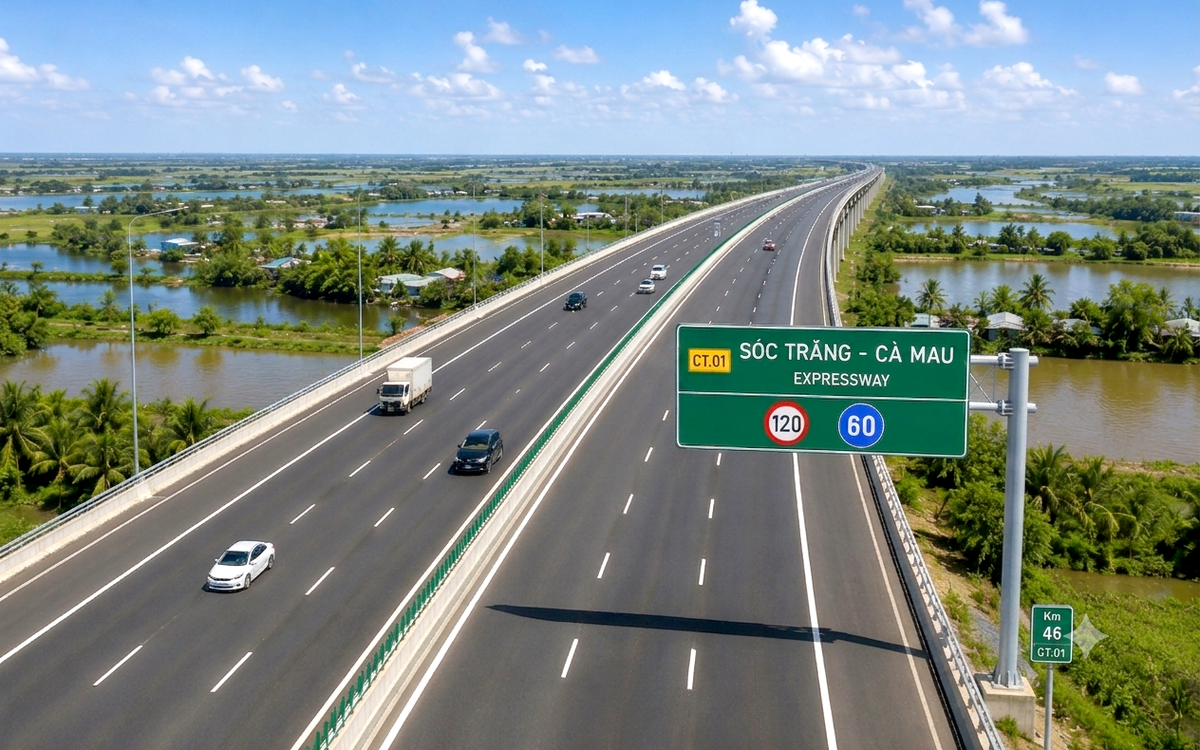
Vietnam's Mekong Delta region is set to undergo a significant transportation infrastructure upgrade, with plans to develop around 1,256 kilometers of expressways by 2030, extending its vision to 2050. The Ministry of Transport has outlined a network comprising three north-south and three east-west routes designed to enhance inter-regional connectivity. These expressways are planned to accommodate four to six lanes of traffic.
Currently, the region has completed 311 km of expressways and has an additional 336 km under construction. Key projects include segments of the Eastern North-South Expressway, such as the Mỹ Thuận - Cần Thơ and Cần Thơ - Hậu Giang - Cà Mau sections, totaling 110 km. The Western North-South Expressway has seen 80 km completed, with 28 km currently under construction. Cross-regional expressways, including the Cao Lãnh - An Hữu and Châu Đốc - Cần Thơ - Sóc Trăng routes, also have substantial lengths under construction.
By the end of 2026, an additional 85 km are expected to be completed, with the full 336 km of ongoing expressway projects slated for completion by 2027. This will bring the total expressway length in the Mekong Delta to approximately 647 km. The remaining 719 km are still in the planning and investment stages.
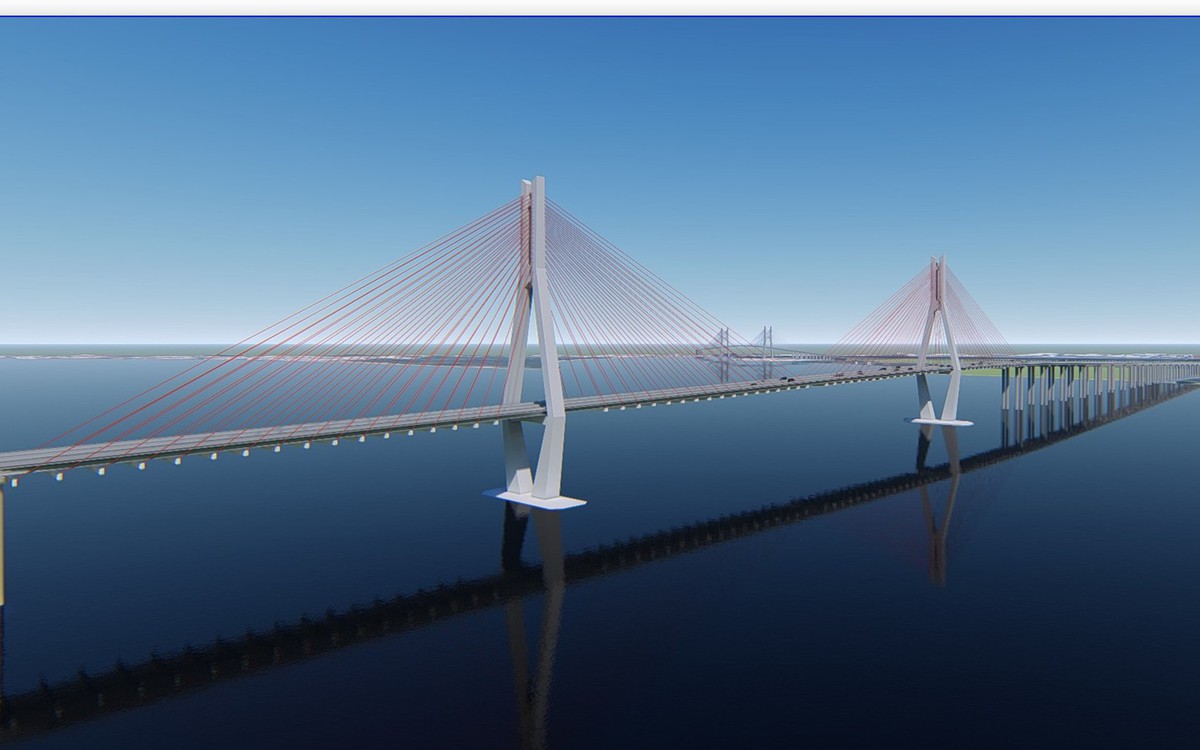
Looking ahead, the Ministry of Construction is prioritizing the use of elevated highways, or viaducts, for future expressway projects in the region, particularly those planned between 2026 and 2030 and beyond. While the initial investment for viaducts is estimated to be 1.6 to 1.7 times higher than for ground-level roads, they offer significant long-term benefits. These include enhanced stability, reduced construction and operational risks, minimal impact on residents' lives and farmland, and greater resilience against natural conditions like subsidence and rising sea levels. The ministry believes these advantages justify the higher cost over the project's 100-year lifespan.
DistantNews Editorial
Originally published by Tuổi Trẻ in Vietnamese. Translated, summarized, and contextualized by our editorial team with added local perspective. Read our editorial standards.
More Stories
From Our Blog

What Gets Lost (and Found) When News Is Translated

The Critical Role of Diaspora Media in Global News

What Travellers Should Know About Countries with Restricted Press

A Digital Nomad's Guide to Following Local News

How the Same Story Looks Different in Different Countries
