


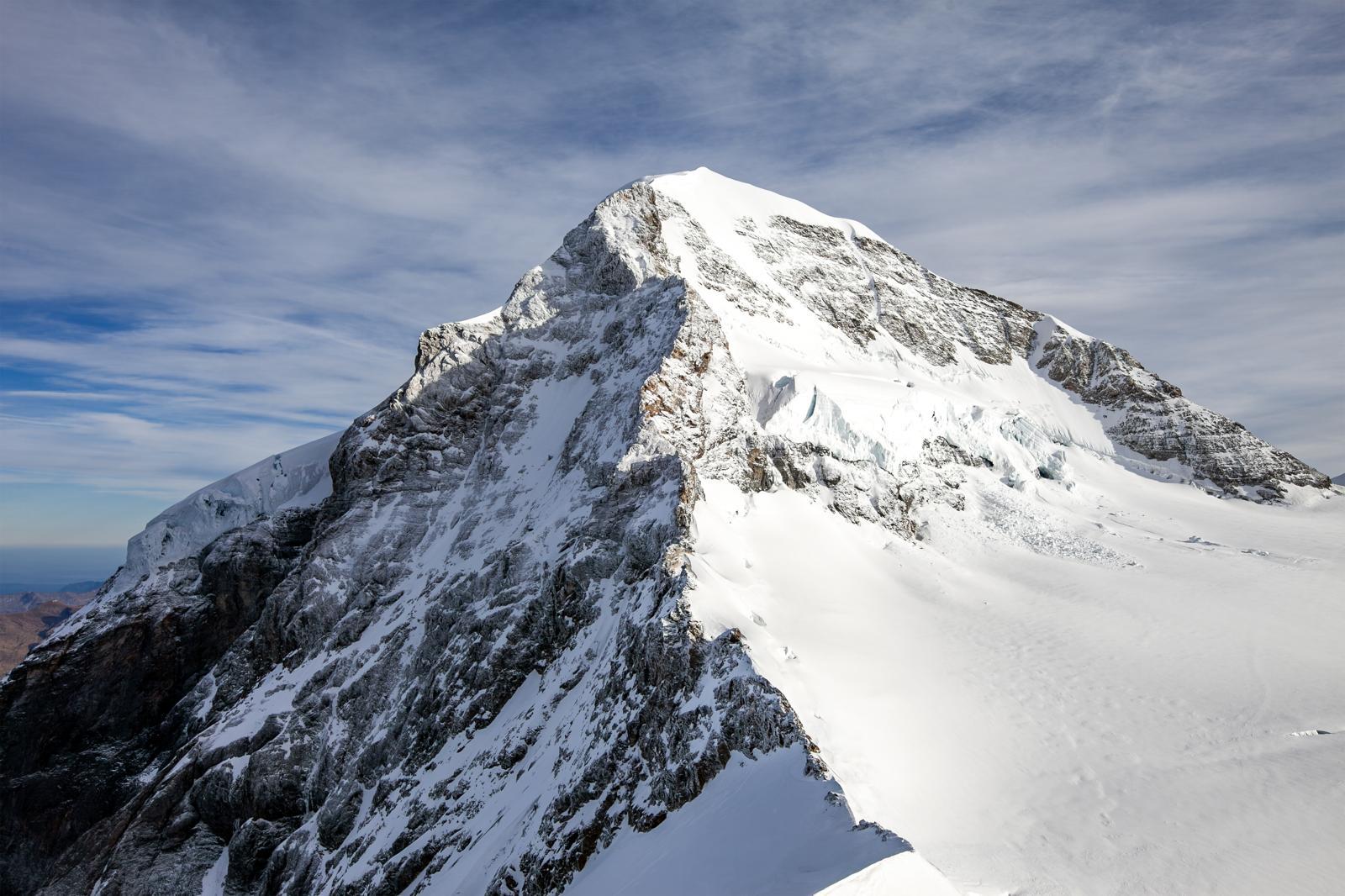
Melting Alps Glacier Reveals Bodies of Climbers Missing for 34 Years
Translated from Korean, summarized and contextualized by DistantNews.
At a glance
News
Sources not specified
Outcome reported
- The bodies of two Belgian climbers, missing for 34 years, were discovered in a rapidly melting glacier in the Swiss Alps due to heatwaves.
- The climbers disappeared in September 1992 while attempting to ascend the Weisshorn mountain.
- The melting glaciers in the Swiss Alps are revealing more historical remains as unusually warm temperatures persist.
The receding glaciers of the Swiss Alps, accelerated by persistent heatwaves, have led to the discovery of the remains of two Belgian climbers who vanished 34 years ago. The hikers were reported missing in September 1992 after setting out from the Weissmies mountain hut.
Their intended route involved ascending the 4,017-meter peak of the Weisshorn and then proceeding to the Almageller hut. However, their trek was cut short when weather conditions rapidly deteriorated. Despite extensive searches at the time, which yielded a discovered hiking backpack, the climbers were never found.
Earlier this year, a hiker stumbled upon human remains near the Trift Glacier and reported the find. Subsequent DNA analysis conducted by the forensic institute in Sion confirmed the remains belonged to the two Belgian men, who were 39 and 41 years old at the time of their disappearance. The discovery highlights the dramatic impact of climate change on the alpine environment.
Switzerland's glaciers are experiencing an unprecedented rate of melting this year, attributed to a combination of low winter snowpack and an early, intense heatwave. Data from the Swiss Glacier Monitoring Network (GLAMOS) indicates that the snow and ice reserves accumulated over the winter have been significantly depleted, leading to the exposure of long-buried ice and, consequently, historical artifacts and human remains.
DistantNews Editorial
Originally published by Dong-A Ilbo in Korean. Translated, summarized, and contextualized by our editorial team with added local perspective. Read our editorial standards.
More Stories


From Our Blog

What Gets Lost (and Found) When News Is Translated

The Critical Role of Diaspora Media in Global News

What Travellers Should Know About Countries with Restricted Press

A Digital Nomad's Guide to Following Local News

How the Same Story Looks Different in Different Countries
