


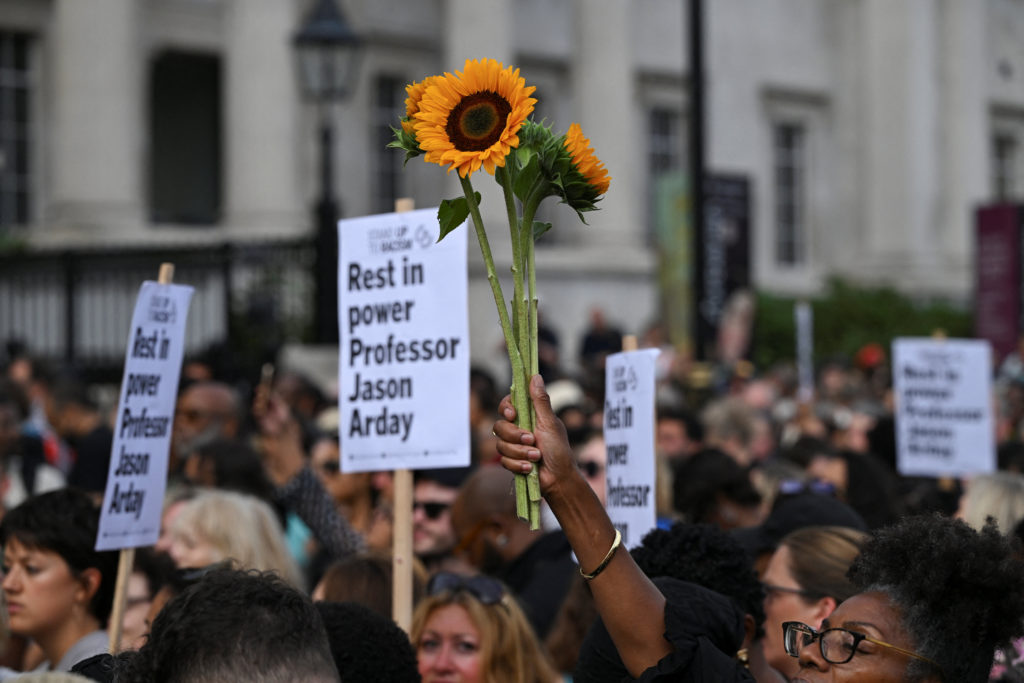
Memoir of late Cambridge professor Jason Arday published in UK
Translated from English and summarized by DistantNews. Read the original for the full story.
At a glance
News
From a news agency
Outcome reported
- The memoir of Jason Arday, the youngest Black professor at Cambridge University, has been published in the UK following his death at age 41.
- The book, 'Great and Unfortunate Things,' details his journey from a non-verbal child to a prominent academic.
- Arday's death and the preceding media scrutiny over his qualifications have sparked debate about diversity initiatives and media coverage.
Jason Arday's memoir, "Great and Unfortunate Things," has been published in the UK, offering his perspective on his life and the intense media scrutiny that followed allegations about his academic qualifications and personal achievements. The book's release comes less than two weeks after Arday, 41, was found dead in his London apartment. He had resigned from his position as the youngest Black professor at Cambridge University amid relentless coverage.
To the very end, Jason was clear that he wanted his memoir to be published, and it is only right that we honor his wishes.
Simon & Schuster, the publisher, stated that the book's release aligns with Arday's family's wishes. "To the very end, Jason was clear that he wanted his memoir to be published, and it is only right that we honor his wishes," the family said in a statement. They added that much had been written and said by people who did not know the truth of his experiences or what an extraordinary person he was.
Arday's death on August 14 has ignited discussions about responsibility. Cambridge University has faced criticism for potentially promoting Arday too quickly as part of diversity efforts, despite concerns about his qualifications. Simultaneously, the news media has been accused of contributing to his despair with coverage that supporters argue was disproportionate compared to what a white scholar facing similar accusations might have endured.
There has been so much that has been written and said about our beloved brother, son, father, partner and uncle, mostly by people who don't know the truth of what he experienced, and we experienced as a family, or what an extraordinary person he was.
Scrutiny of the memoir intensified following the controversy. British newspapers noted that some of Arday's previously touted accomplishments, such as running 600 miles in six days for charity, were omitted from the book. In an interview with The Times of London in July, Arday acknowledged making mistakes, attributing them to his autism and early career oversight. However, he rejected accusations of being a "liar and a fantasist and an academic fraud," suggesting these claims were fueled by "racism and ableism."
I rejected accusations that I was 'a liar and a fantasist and an academic fraud,' saying they were motivated by 'racism and ableism.'
About this summary
Originally published by PBS NewsHour in English. Translated, summarized, and contextualized automatically by DistantNews, with a note on how the source frames the story. Not individually reviewed before publishing. How this works.
More Stories


From Our Blog

How the Same Story Looks Different in Different Countries

What Gets Lost (and Found) When News Is Translated

The Critical Role of Diaspora Media in Global News

What Travellers Should Know About Countries with Restricted Press

A Digital Nomad's Guide to Following Local News
