


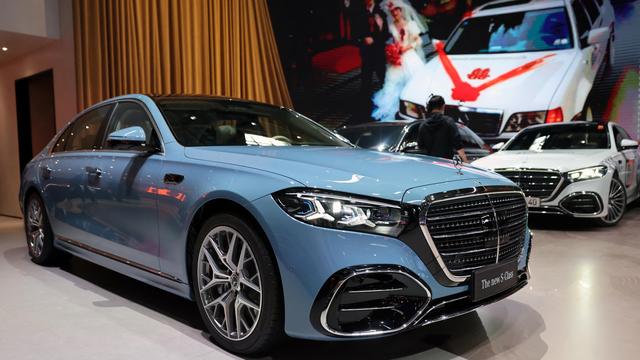
Mercedes-Benz sales decline globally, driven by China market slump
Translated from German, summarized and contextualized by DistantNews.
At a glance
News
Sources not specified
Context piece
- Mercedes-Benz reported a 6% global sales decrease in the first half of 2026, selling 1.01 million vehicles.
- Sales in China dropped significantly by 28% to 210,000 units, while Europe and North America saw increases.
- The company saw a 51% rise in global sales of fully electric vehicles (BEVs) in the second quarter.
Mercedes-Benz experienced a global sales decline in the first half of 2026, with worldwide vehicle sales dropping by six percent to 1.01 million units compared to the previous year. The Stuttgart-based luxury automaker noted that while sales grew in Europe and North America, a sharp decrease in its crucial China market significantly impacted overall figures.
In China, Mercedes-Benz sold only 210,000 cars in the first six months of the year, marking a 28 percent reduction from the same period in 2025. Despite this downturn, the company emphasized that "China remains a central market for Mercedes-Benz and plays a key role in the company's localization and innovation strategy." The decline was particularly pronounced for models with combustion engines in the second quarter.
Conversely, sales in North America rose by 15 percent to 180,900 vehicles. Europe saw a five percent increase, with 325,000 vehicles sold from January to June. This growth in Europe was attributed to new product launches and a stronger demand for electric vehicles.
Mercedes-Benz reported a significant surge in electric vehicle demand, with global sales of fully electric vehicles (BEVs) increasing by 51 percent in the second quarter to 52,900 units. This means that approximately one in every eight Mercedes-Benz cars sold during that period was an electric model. The company expressed optimism for the second half of the year, anticipating strong performance from new models like the S-Class and GLE.
China remains a central market for Mercedes-Benz and plays a key role in the company's localization and innovation strategy.
DistantNews Editorial
Originally published by Die Zeit in German. Translated, summarized, and contextualized by our editorial team with added local perspective. Read our editorial standards.
More Stories



From Our Blog

What Gets Lost (and Found) When News Is Translated

How the Same Story Looks Different in Different Countries

The Critical Role of Diaspora Media in Global News

What Travellers Should Know About Countries with Restricted Press

A Digital Nomad's Guide to Following Local News
