


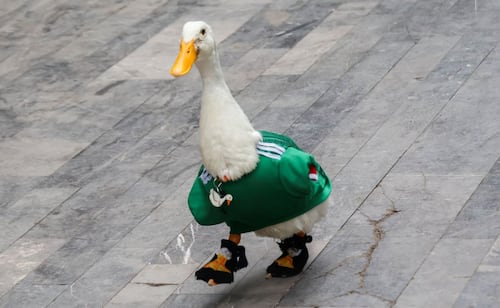
Merlin the Duck and the 'Nemo Effect': Concerns over viral fame driving pet acquisition
Translated from Spanish, summarized and contextualized by DistantNews.
At a glance
News
Sources not specified
Context piece
- The "Nemo Effect," a phenomenon where animal characters drive pet acquisition, is being discussed in relation to the viral "Pato Merlín" (Merlin the Duck).
- Originating from the movie "Finding Nemo," the effect highlights increased demand for specific animals after their media exposure.
- Concerns exist that Merlin the Duck's popularity could lead to impulsive pet purchases, despite ducks requiring specific care.
The viral sensation "Pato Merlín" (Merlin the Duck), which gained immense popularity in Mexico following the national team's performance in the 2026 World Cup, is now being linked to the "Nemo Effect." This phenomenon describes the surge in demand for specific animal species when they become famous through media, potentially leading to impulsive pet ownership.
The "Nemo Effect" gained its name after the 2003 Pixar film "Finding Nemo." The movie's success led to a significant increase in people wanting to own clownfish, similar to the protagonist. Animal conservationists at the time raised alarms about the welfare of these fish, as many owners lacked the knowledge to provide proper care or understand their complex needs in captivity. The surge in demand also raised concerns about the impact on wild populations due to increased capture rates.
While there's no current evidence of a rise in domestic duck purchases directly linked to Merlin, social media users have voiced concerns that the duck's widespread fame could spark such interest. Merlin the Duck became a national symbol after videos of him and his family interacting with fans and even appearing at official events went viral. His image became one of the most recognizable figures associated with the tournament.
Experts emphasize that decisions about acquiring pets are often driven by impulse, trends, or viral content. Domestic ducks, like Merlin, require specific living conditions, including adequate space, a specialized diet, constant access to water, and regular veterinary care. The concern is that the duck's popularity might overshadow the reality of responsible pet ownership, potentially leading to welfare issues for the animals if acquired without proper understanding of their needs.
DistantNews Editorial
Originally published by El Universal in Spanish. Translated, summarized, and contextualized by our editorial team with added local perspective. Read our editorial standards.
More Stories



From Our Blog

What Press Freedom Means for the News You Read

What Gets Lost (and Found) When News Is Translated

The Critical Role of Diaspora Media in Global News

What Travellers Should Know About Countries with Restricted Press

A Digital Nomad's Guide to Following Local News
