

Messi's Brilliance Overshadowed by 'Cheapfake' Misinformation After Argentina's World Cup Win
Translated from Spanish, summarized and contextualized by DistantNews.
At a glance
News
Sources not specified
Context piece
- Argentina's national team, led by Lionel Messi, secured a 3-0 victory against Algeria in the 2026 World Cup qualifiers.
- Following the match, a wave of misinformation, specifically "cheapfakes," emerged on social media platforms like X.
- These fabricated posts, often text-based with images, falsely attributed exaggerated praise for Messi's performance to various media outlets, coaches, and players, leveraging AI for realism.
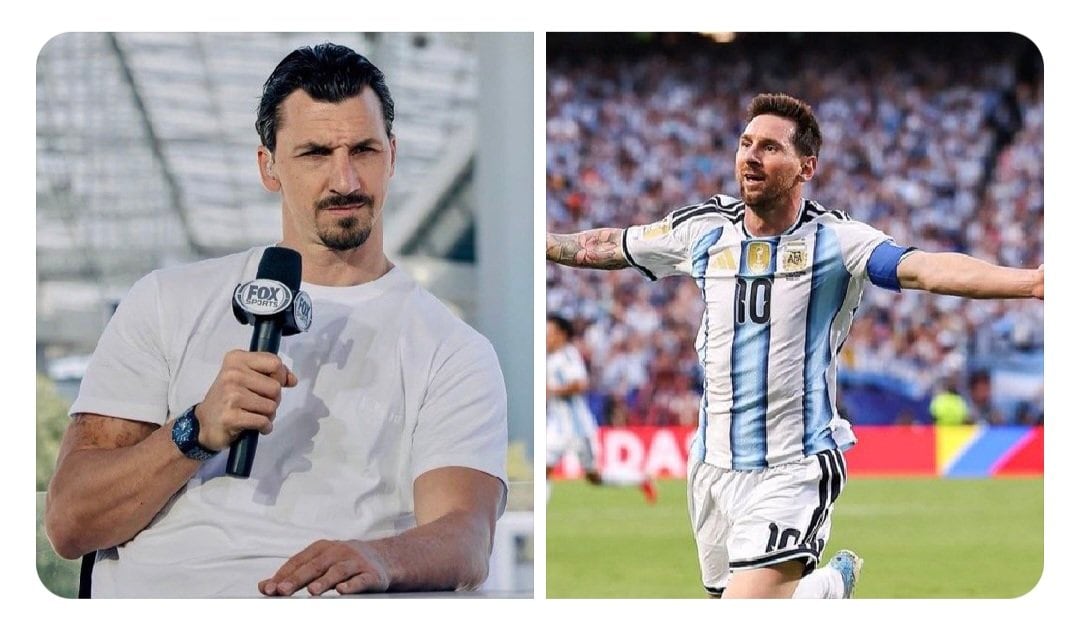
Lionel Messi once again captivated audiences with a stellar performance as Argentina kicked off their 2026 World Cup campaign with a decisive 3-0 win over Algeria. The global admiration for Messi's brilliance, however, was quickly overshadowed by a growing phenomenon of disinformation known as "cheapfakes."
Within minutes of the match's conclusion, platforms like X were flooded with posts citing supposed analyses and glowing endorsements. These were not sophisticated media productions but simple text accompanied by images, shared tens of thousands of times. The critical issue was that these extravagant statements, though seemingly plausible given the match's outcome, were never actually made by the media, coaches, or players to whom they were attributed.
As detailed in a Wired article, cheapfakes, low-cost, easily executed manipulations, are not new. Traditionally, they involved taking quotes out of context, slowing down videos, or using old photos. However, the advent of generative AI has transformed this into a highly realistic tool. Now, with simple prompts, any user can create content that mimics journalistic style, making it nearly impossible for the average user to spot the falsehoods on their phone screens.
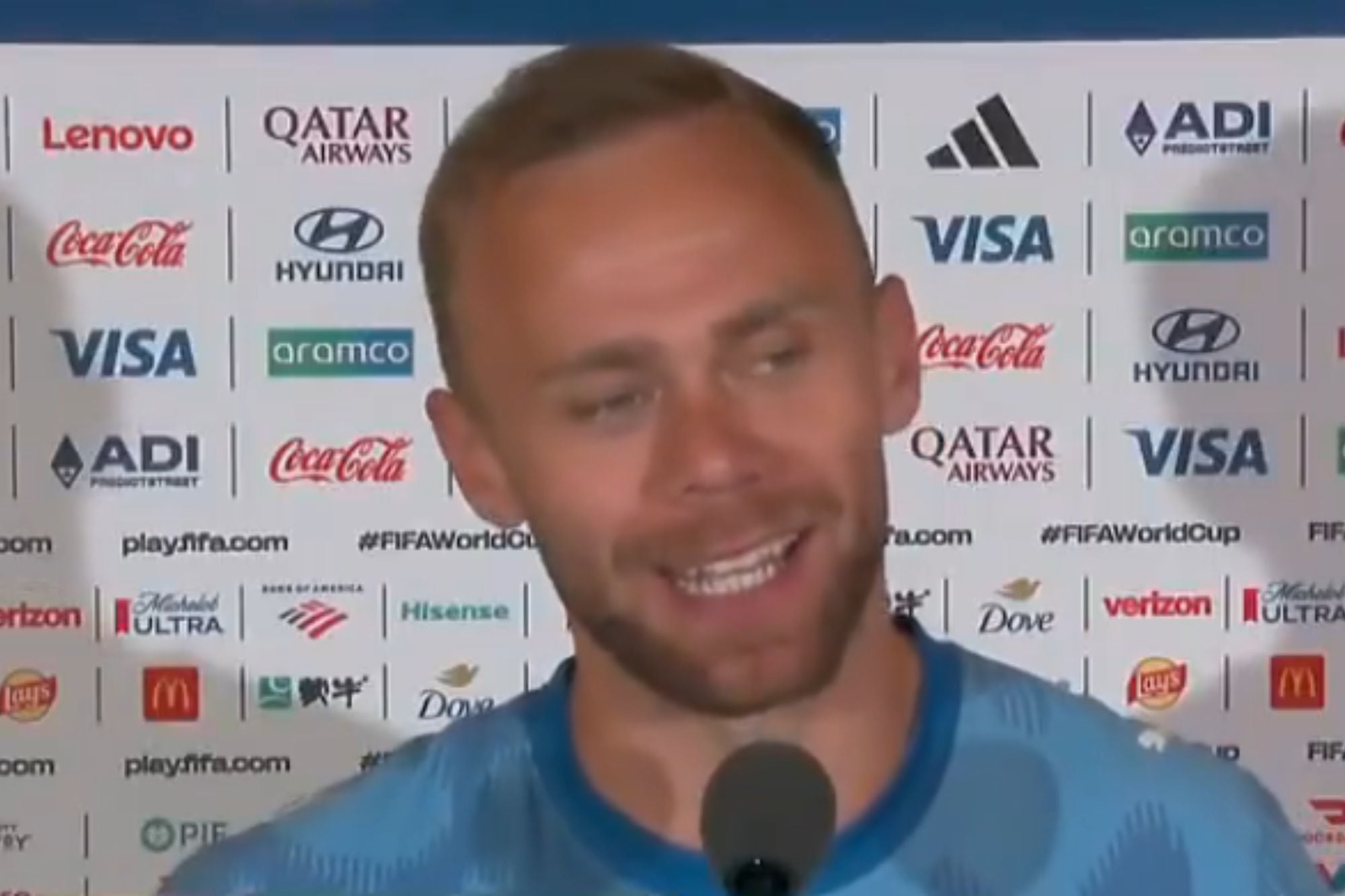
These viral posts often follow a simple, repetitive structure designed for immediate spread: a visual format, often resembling a press conference or statement, with well-ordered paragraphs attributed to recognizable figures and citing a supposed media source. The tone is consistently hyperbolic, excessively praising the subject and appealing to extreme emotion. A prime example circulating after the Algeria match falsely attributed a quote to coach Vladimir Petkovic, calling Messi's performance "a lesson in football."
DistantNews Editorial
Originally published by La Nación in Spanish. Translated, summarized, and contextualized by our editorial team with added local perspective. Read our editorial standards.
More Stories

From Our Blog

What Gets Lost (and Found) When News Is Translated

The Critical Role of Diaspora Media in Global News

What Travellers Should Know About Countries with Restricted Press

A Digital Nomad's Guide to Following Local News

How the Same Story Looks Different in Different Countries
