


Meta and the Digital Markets Act: Messenger Must Adhere to Stricter EU Competition Rules
Translated from German, summarized and contextualized by DistantNews.
At a glance
News
From a news agency
Context piece
- Meta's communication service, Messenger, must comply with stricter competition rules in the EU under the Digital Markets Act (DMA).
- The EU Court of Justice in Luxembourg upheld the inclusion of Messenger on the list of services subject to these regulations.
- Meta had challenged the inclusion of Messenger and Marketplace, but only the Marketplace challenge was partially successful, as it had already been removed from the list.
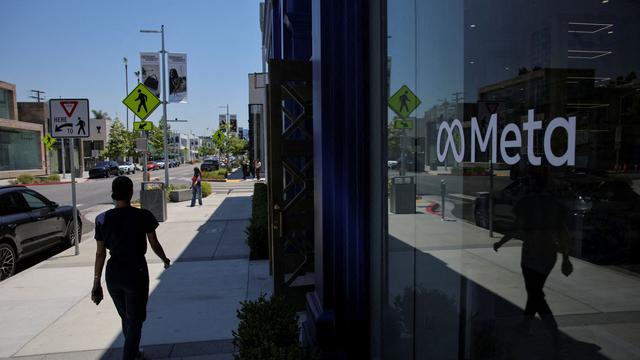
The European Union's Digital Markets Act (DMA) is imposing stricter competition rules on Meta's communication service, Messenger. The EU Court of Justice in Luxembourg has confirmed that Messenger must adhere to these enhanced regulations, rejecting Meta's legal challenge.
In 2023, the European Commission designated Meta as an "internet gatekeeper" due to its significant market power. This classification requires the Facebook parent company to comply with new obligations for various services that act as crucial gateways for business customers to reach end-users.
Meta had partially accepted the Commission's decision but specifically contested the inclusion of its services, Marketplace and Messenger, on the list of designated gatekeeper services. While Meta's challenge regarding Marketplace was successful, this was largely because the service had already been removed from the list by the Commission a year prior.
The court's decision reinforces the DMA's aim to foster fairer competition in the digital market by imposing specific obligations on large online platforms. Messenger's continued inclusion means Meta must ensure interoperability and fair access for competing services within the EU.
DistantNews Editorial
Originally published by Die Zeit in German. Translated, summarized, and contextualized by our editorial team with added local perspective. Read our editorial standards.
More Stories


From Our Blog

What Gets Lost (and Found) When News Is Translated

How the Same Story Looks Different in Different Countries

The Critical Role of Diaspora Media in Global News

What Travellers Should Know About Countries with Restricted Press

A Digital Nomad's Guide to Following Local News
