

Meta Faces Pivotal Trial: "They Knew Their Platforms Harmed Young People"
Translated from Spanish, summarized and contextualized by DistantNews.
At a glance
News
Named sources
In the courts
- Meta faces a pivotal trial where four U.S. states accuse its social media platforms of harming young people's mental health.
- Prosecutors allege Meta's business model prioritizes user engagement and data collection, intentionally concealing harms, especially to children.
- The tech giant is being sued for potentially $1.4 trillion, with Meta arguing the demand is disproportionate to its market value.
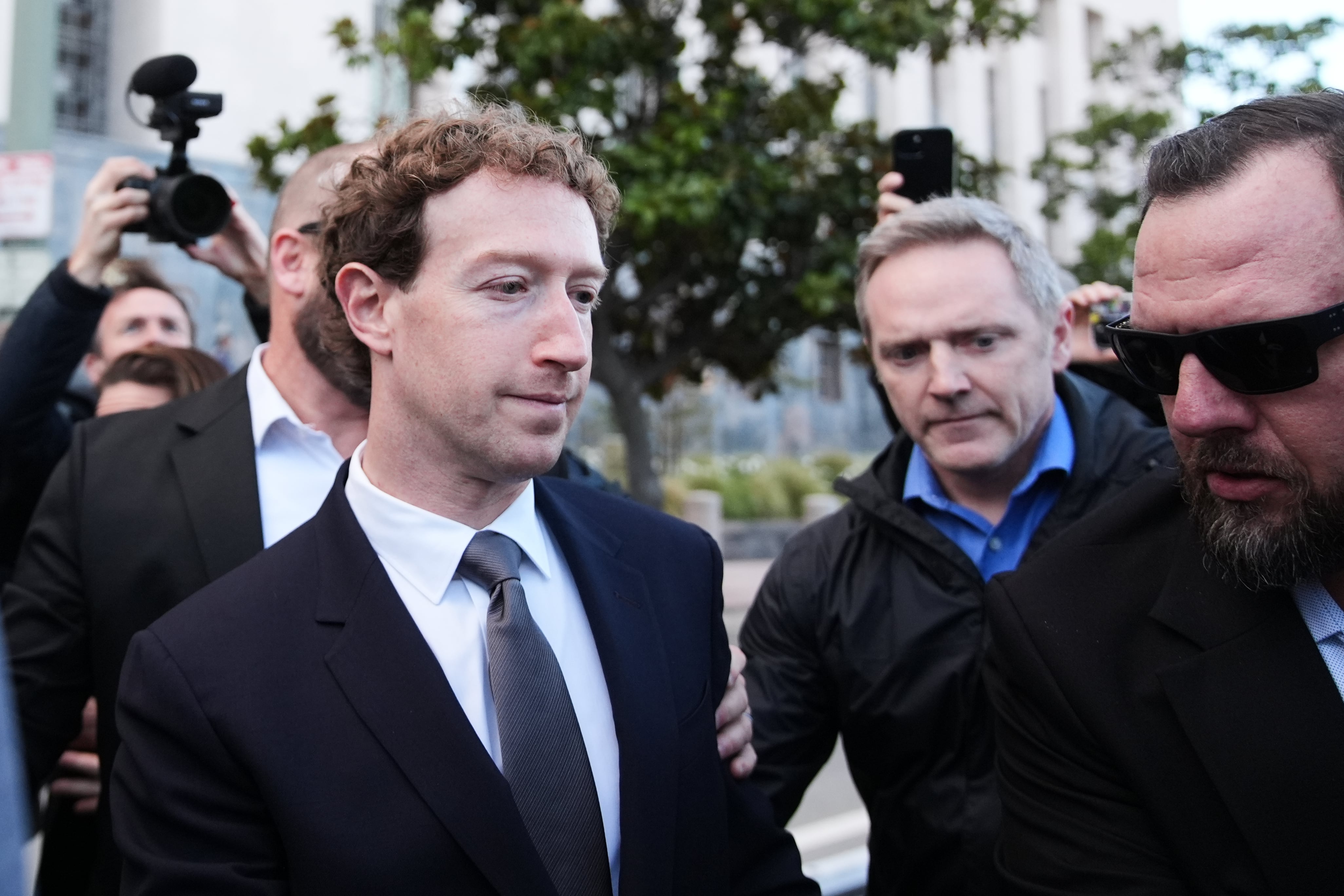
Meta, the parent company of Facebook, Instagram, and WhatsApp, is confronting the most significant trial in its history, facing accusations that its social media platforms have fueled a youth mental health crisis. Four U.S. states – California, Colorado, Kentucky, and New Jersey – are leading the charge, arguing that the company's platform design intentionally creates addiction and that Meta has misled the public about the harms.
the business model of Meta consisted of 'hooking users, keeping them as long as possible, collecting their data, and then hiding the truth from the public.'
During the trial's opening session in Oakland, California, Assistant Attorney General of California, Megan O’Neill, told the jury that Meta's business model is built on "hooking users, keeping them as long as possible, collecting their data, and then hiding the truth from the public." She emphasized that this strategy "worked especially well with children."
The states contend that Meta has violated federal child privacy laws and state consumer protection statutes by designing addictive technology and collecting data from users under 13 without consent. While Meta acknowledges the potential for $1.4 trillion in damages, it argues this figure is disproportionate to its market value. Prosecutors have previously suggested compensation could reach $200 billion, equivalent to three years of Meta's net profits.
It worked especially well with children.
Meta's defense, however, argues that the state prosecutors have failed to demonstrate actual harm caused by Facebook and Instagram. The company also asserts that the case is not about banning social media, as O'Neill stated, "This case is not about whether social media offers some benefits to certain people. They do."
This case is not about whether social media offers some benefits to certain people. They do.
DistantNews Editorial
Originally published by El País in Spanish. Translated, summarized, and contextualized by our editorial team with added local perspective. Read our editorial standards.
More Stories

From Our Blog

What Gets Lost (and Found) When News Is Translated

The Critical Role of Diaspora Media in Global News

What Travellers Should Know About Countries with Restricted Press

A Digital Nomad's Guide to Following Local News

How the Same Story Looks Different in Different Countries
