


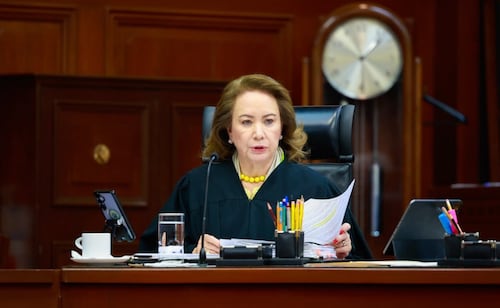
Mexican Justice Esquivel highlights need for specialized judicial training for child protection cases
Translated from Spanish, summarized and contextualized by DistantNews.
At a glance
News
Sources not specified
Context piece
- Mexican Supreme Court Justice Yasmín Esquivel Mossa emphasized the need for specialized judicial training, particularly for cases involving children.
- She highlighted that the "best interests of the child" requires more than a formal agreement between parents, demanding effective protection.
- Esquivel stressed that judges must thoroughly analyze family violence claims and child welfare before approving any agreements.
Mexican Supreme Court Justice Yasmín Esquivel Mossa has underscored the critical importance of specialized training within the judiciary, especially when handling cases concerning the restitution of justice for children and adolescents. She stated that the "best interests of the child" principle necessitates a deep understanding of their current situation and guarantees their right to be heard, ensuring that legal protections are not merely formal but effectively safeguard their well-being.
During a Plenary session addressing a direct appeal (amparo directo en revisión 5806/2025), the court established standards for judges in international child abduction cases. Esquivel agreed with the project's direction, emphasizing that when allegations of family violence or grave risk are raised, judges cannot simply confirm a formal agreement between parents. Instead, they must meticulously analyze the conditions of reconciliation, gather necessary evidence, and evaluate all elements with a gender and child-focused perspective.
Esquivel shared that the Supreme Court itself examined the approval of a parental agreement, concluding that a Family Court judge had failed to meet the required duties. The judge had not ensured the child's will, informed consent, equity in negotiation, analysis of alleged violence, or the child's participation in the process.
Ultimately, Esquivel reiterated the necessity of continuous training and the integration of highly specialized subjects into the judicial career. She asserted that the Mexican people deserve and demand excellent justice providers who possess sufficient knowledge, preparation, and experience to resolve complex cases, coupled with ongoing training in their areas of expertise.
DistantNews Editorial
Originally published by El Universal in Spanish. Translated, summarized, and contextualized by our editorial team with added local perspective. Read our editorial standards.
More Stories
From Our Blog

What Press Freedom Means for the News You Read

What Gets Lost (and Found) When News Is Translated

The Critical Role of Diaspora Media in Global News

What Travellers Should Know About Countries with Restricted Press

A Digital Nomad's Guide to Following Local News
